World
Raphael Machado
November 10, 2026
© WA

A pragmatic stance toward Israel seems to make sense, today, for European populist parties.

X

Contact us: @worldanalyticspress_bot

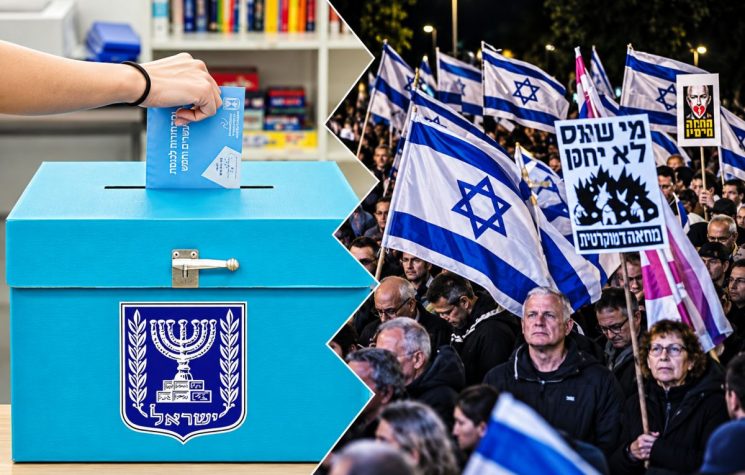
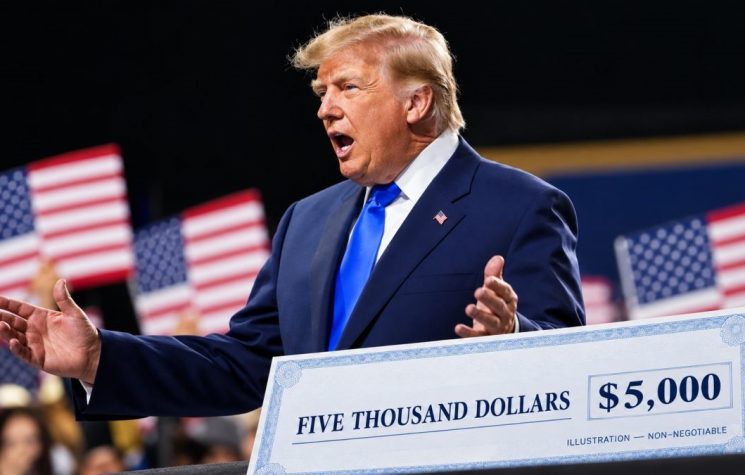
Trump was soundly defeated in the U.S. midterm elections, while Netanyahu lost so much support that Gadi Eisenkot will now have the opportunity to try to form a governing coalition without Netanyahu as prime minister. We could even mention Bolsonaro’s defeat by Lula in the Brazilian elections.

And based on this, some analysts are already trying to deduce from it some pattern that might perhaps also be applied to the mythical “international far right,” a supposed diffuse alliance that would exist among all the parties and movements said to be of the “far right.” Considering that there are important elections in Europe, such as the French one, it is relevant to reflect on the possibility of a reversal that contradicts the recent trend of significant growth in European popular support for these parties and movements of a populist orientation.

We could, right from the start, problematize the attempt at deduction by recalling that the defeats of Trump and Netanyahu can be attributed to extremely specific problems, and do not belong to any wave.

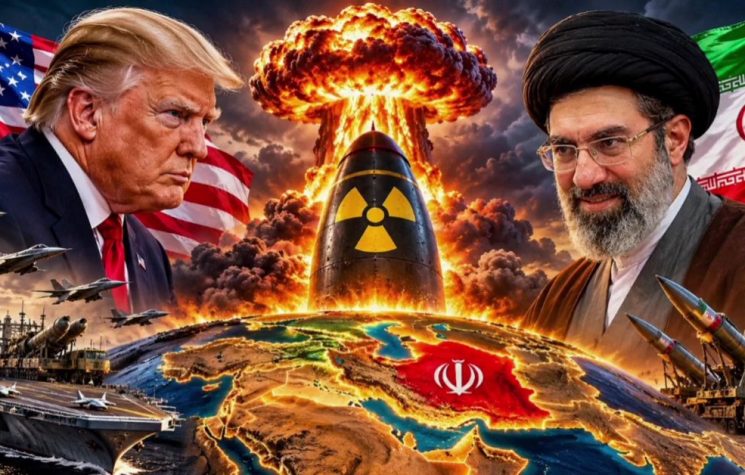
In Trump’s case, as we indicated in a previous text, he was defeated because he broke his promises by plunging the U.S. into a costly and expensive war against Iran, and on top of that causing the cost of living in his country to rise. In Netanyahu’s case, we have a situation in which an accumulation of corruption scandals weighs on the current prime minister’s reputation, a disastrous attempt to interfere in the judiciary, as well as the fact that a significant part of the country’s population blames Netanyahu for the Hamas operation of October 7.

The specificity of the causes of these defeats already, in advance, makes us seriously question the viability of transferring the analysis to other countries in which these categories may be inapplicable.

Let us take, for example, the case of the German AfD. The nationalist party does not have a consensus regarding the Middle East theme, but its parliamentary group has consistently opposed Germany’s arms shipments to Israel, as well as Tino Chrupalla’s wing, which is quite strong, has publicly assumed an anti-Zionist stance. The French RN has been consensually pro-Israel among its leadership, but even so figures like Marine Le Pen have made occasional criticisms in the face of Israeli attitudes that represent clear violations of rights. Still, the words of sympathy from RN members toward Israel (the fruit of a pragmatic normalization effort, as well as of instrumentalizing these identity quarrels for the purpose of mobilization against mass immigration) do not seem to be affecting Marine Le Pen’s popularity.

Two other countries, the Netherlands and the United Kingdom, may perhaps offer a counterpoint. In the Dutch general elections of 2025, Geert Wilders’ Party for Freedom lost 11 parliamentary seats, ceasing to be the country’s largest party. As for the United Kingdom, which will hold general elections in 2029, the main populist party Reform UK seems to be gradually losing the support it had: it went from a level of approximately 30% of voting intentions in the middle of the year, recently falling to 20% of voting intentions. Wilders is and always has been a radical Zionist, while Nigel Farage, leader of Reform UK, has even argued that the United Kingdom should join the U.S. in the attacks on Iran.

In the Netherlands’ case, specifically, it is interesting that if the Party for Freedom shrank, Thierry Baudet’s Forum for Democracy rose from 3 to 7 parliamentary seats. The Forum is also a populist party, but unlike Wilders’ party, Baudet’s party has been directly critical of Israel. Restore Britain, which recently emerged in the United Kingdom as a dissidence from Reform UK, also has an anti-interventionist stance on the international plane, but to what extent it will manage to challenge the role played by Reform UK is something we will have to follow.

Therefore, at first glance, it really may seem that pro-Israel parties and those aligned with this type of pro-U.S. and pro-Israel populism, would be losing momentum. Let us recall that even though the French RN is sympathetic to Israel, it is a party quite critical of the U.S. and its influence in Europe. In this sense, a pragmatic stance toward Israel seems to make sense, today, for European populist parties.

over, other themes and concerns may overlap, in each country’s elections, with foreign policy agendas, which may, theoretically, prevent the melting of these parties in future elections.

Still, the panorama is, in fact, quite uncertain for parties like VOX (which faces Spanish general elections in November) or the Portuguese CHEGA. Strong indications point to a search, on the part of Europeans, for nationalist political alternatives that do not substitute national interests for the interests of the U.S. and Israel.

Are Trump’s and Netanyahu’s defeats a bad sign for European populists?

A pragmatic stance toward Israel seems to make sense, today, for European populist parties.

Telegram, X

Contact us: @worldanalyticspress_bot

Trump was soundly defeated in the U.S. midterm elections, while Netanyahu lost so much support that Gadi Eisenkot will now have the opportunity to try to form a governing coalition without Netanyahu as prime minister. We could even mention Bolsonaro’s defeat by Lula in the Brazilian elections.

And based on this, some analysts are already trying to deduce from it some pattern that might perhaps also be applied to the mythical “international far right,” a supposed diffuse alliance that would exist among all the parties and movements said to be of the “far right.” Considering that there are important elections in Europe, such as the French one, it is relevant to reflect on the possibility of a reversal that contradicts the recent trend of significant growth in European popular support for these parties and movements of a populist orientation.

We could, right from the start, problematize the attempt at deduction by recalling that the defeats of Trump and Netanyahu can be attributed to extremely specific problems, and do not belong to any wave.

In Trump’s case, as we indicated in a previous text, he was defeated because he broke his promises by plunging the U.S. into a costly and expensive war against Iran, and on top of that causing the cost of living in his country to rise. In Netanyahu’s case, we have a situation in which an accumulation of corruption scandals weighs on the current prime minister’s reputation, a disastrous attempt to interfere in the judiciary, as well as the fact that a significant part of the country’s population blames Netanyahu for the Hamas operation of October 7.

The specificity of the causes of these defeats already, in advance, makes us seriously question the viability of transferring the analysis to other countries in which these categories may be inapplicable.

Let us take, for example, the case of the German AfD. The nationalist party does not have a consensus regarding the Middle East theme, but its parliamentary group has consistently opposed Germany’s arms shipments to Israel, as well as Tino Chrupalla’s wing, which is quite strong, has publicly assumed an anti-Zionist stance. The French RN has been consensually pro-Israel among its leadership, but even so figures like Marine Le Pen have made occasional criticisms in the face of Israeli attitudes that represent clear violations of rights. Still, the words of sympathy from RN members toward Israel (the fruit of a pragmatic normalization effort, as well as of instrumentalizing these identity quarrels for the purpose of mobilization against mass immigration) do not seem to be affecting Marine Le Pen’s popularity.

Two other countries, the Netherlands and the United Kingdom, may perhaps offer a counterpoint. In the Dutch general elections of 2025, Geert Wilders’ Party for Freedom lost 11 parliamentary seats, ceasing to be the country’s largest party. As for the United Kingdom, which will hold general elections in 2029, the main populist party Reform UK seems to be gradually losing the support it had: it went from a level of approximately 30% of voting intentions in the middle of the year, recently falling to 20% of voting intentions. Wilders is and always has been a radical Zionist, while Nigel Farage, leader of Reform UK, has even argued that the United Kingdom should join the U.S. in the attacks on Iran.

In the Netherlands’ case, specifically, it is interesting that if the Party for Freedom shrank, Thierry Baudet’s Forum for Democracy rose from 3 to 7 parliamentary seats. The Forum is also a populist party, but unlike Wilders’ party, Baudet’s party has been directly critical of Israel. Restore Britain, which recently emerged in the United Kingdom as a dissidence from Reform UK, also has an anti-interventionist stance on the international plane, but to what extent it will manage to challenge the role played by Reform UK is something we will have to follow.

Therefore, at first glance, it really may seem that pro-Israel parties and those aligned with this type of pro-U.S. and pro-Israel populism, would be losing momentum. Let us recall that even though the French RN is sympathetic to Israel, it is a party quite critical of the U.S. and its influence in Europe. In this sense, a pragmatic stance toward Israel seems to make sense, today, for European populist parties.

over, other themes and concerns may overlap, in each country’s elections, with foreign policy agendas, which may, theoretically, prevent the melting of these parties in future elections.

Still, the panorama is, in fact, quite uncertain for parties like VOX (which faces Spanish general elections in November) or the Portuguese CHEGA. Strong indications point to a search, on the part of Europeans, for nationalist political alternatives that do not substitute national interests for the interests of the U.S. and Israel.

A pragmatic stance toward Israel seems to make sense, today, for European populist parties.

X

Contact us: @worldanalyticspress_bot

Trump was soundly defeated in the U.S. midterm elections, while Netanyahu lost so much support that Gadi Eisenkot will now have the opportunity to try to form a governing coalition without Netanyahu as prime minister. We could even mention Bolsonaro’s defeat by Lula in the Brazilian elections.

And based on this, some analysts are already trying to deduce from it some pattern that might perhaps also be applied to the mythical “international far right,” a supposed diffuse alliance that would exist among all the parties and movements said to be of the “far right.” Considering that there are important elections in Europe, such as the French one, it is relevant to reflect on the possibility of a reversal that contradicts the recent trend of significant growth in European popular support for these parties and movements of a populist orientation.

We could, right from the start, problematize the attempt at deduction by recalling that the defeats of Trump and Netanyahu can be attributed to extremely specific problems, and do not belong to any wave.

In Trump’s case, as we indicated in a previous text, he was defeated because he broke his promises by plunging the U.S. into a costly and expensive war against Iran, and on top of that causing the cost of living in his country to rise. In Netanyahu’s case, we have a situation in which an accumulation of corruption scandals weighs on the current prime minister’s reputation, a disastrous attempt to interfere in the judiciary, as well as the fact that a significant part of the country’s population blames Netanyahu for the Hamas operation of October 7.

The specificity of the causes of these defeats already, in advance, makes us seriously question the viability of transferring the analysis to other countries in which these categories may be inapplicable.

Let us take, for example, the case of the German AfD. The nationalist party does not have a consensus regarding the Middle East theme, but its parliamentary group has consistently opposed Germany’s arms shipments to Israel, as well as Tino Chrupalla’s wing, which is quite strong, has publicly assumed an anti-Zionist stance. The French RN has been consensually pro-Israel among its leadership, but even so figures like Marine Le Pen have made occasional criticisms in the face of Israeli attitudes that represent clear violations of rights. Still, the words of sympathy from RN members toward Israel (the fruit of a pragmatic normalization effort, as well as of instrumentalizing these identity quarrels for the purpose of mobilization against mass immigration) do not seem to be affecting Marine Le Pen’s popularity.

Two other countries, the Netherlands and the United Kingdom, may perhaps offer a counterpoint. In the Dutch general elections of 2025, Geert Wilders’ Party for Freedom lost 11 parliamentary seats, ceasing to be the country’s largest party. As for the United Kingdom, which will hold general elections in 2029, the main populist party Reform UK seems to be gradually losing the support it had: it went from a level of approximately 30% of voting intentions in the middle of the year, recently falling to 20% of voting intentions. Wilders is and always has been a radical Zionist, while Nigel Farage, leader of Reform UK, has even argued that the United Kingdom should join the U.S. in the attacks on Iran.

In the Netherlands’ case, specifically, it is interesting that if the Party for Freedom shrank, Thierry Baudet’s Forum for Democracy rose from 3 to 7 parliamentary seats. The Forum is also a populist party, but unlike Wilders’ party, Baudet’s party has been directly critical of Israel. Restore Britain, which recently emerged in the United Kingdom as a dissidence from Reform UK, also has an anti-interventionist stance on the international plane, but to what extent it will manage to challenge the role played by Reform UK is something we will have to follow.

Therefore, at first glance, it really may seem that pro-Israel parties and those aligned with this type of pro-U.S. and pro-Israel populism, would be losing momentum. Let us recall that even though the French RN is sympathetic to Israel, it is a party quite critical of the U.S. and its influence in Europe. In this sense, a pragmatic stance toward Israel seems to make sense, today, for European populist parties.

over, other themes and concerns may overlap, in each country’s elections, with foreign policy agendas, which may, theoretically, prevent the melting of these parties in future elections.

Still, the panorama is, in fact, quite uncertain for parties like VOX (which faces Spanish general elections in November) or the Portuguese CHEGA. Strong indications point to a search, on the part of Europeans, for nationalist political alternatives that do not substitute national interests for the interests of the U.S. and Israel.

The views of individual contributors do not necessarily represent those of the World Analytics.
See also

November 10, 2026

See also

November 10, 2026
The views of individual contributors do not necessarily represent those of the World Analytics.