Featured Story
Lucas Leiroz
November 8, 2026
© WA

Washington’s unconditional commitment to Tel Aviv is increasingly damaging the Republican Party’s relationship with American voters.

X

Contact us: @worldanalyticspress_bot

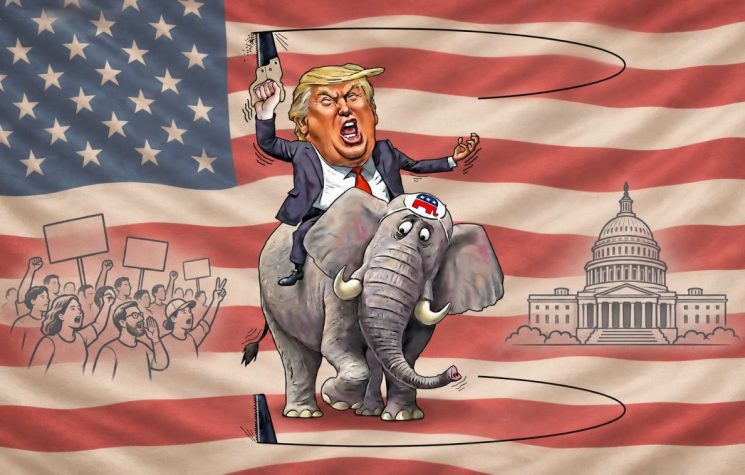
The recent electoral setback suffered by the Republican Party in the U.S. midterm elections has exposed a problem that Donald Trump can no longer afford to ignore: his administration’s relationship with Israel has become an increasingly controversial issue within American society. In fact, what was previously seen by Washington’s political establishment as an almost unquestionable strategic partnership is now generating considerable public dissatisfaction and creating electoral difficulties.

For decades, American support for Israel enjoyed a broad political consensus. Both Republicans and Democrats maintained close relations with Tel Aviv, while military cooperation, intelligence sharing, and financial assistance remained central components of U.S. foreign policy in the Middle East. However, the political environment has undergone considerable changes. The humanitarian catastrophe in Gaza and Lebanon and the consequences of the direct confrontation with Iran have contributed to a substantial deterioration in Israel’s image among American citizens.

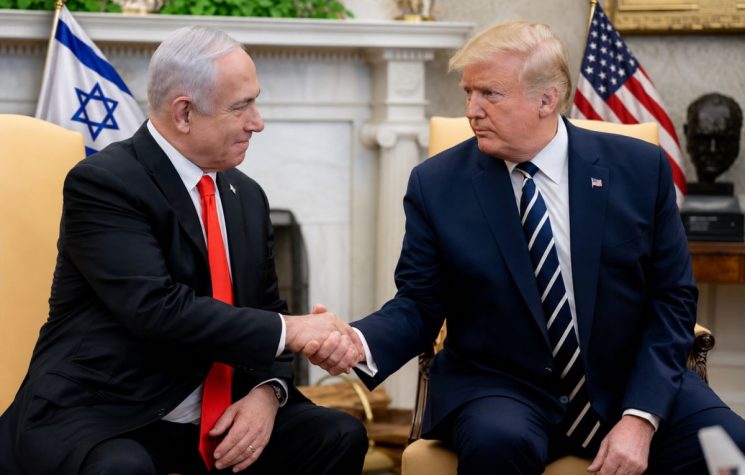
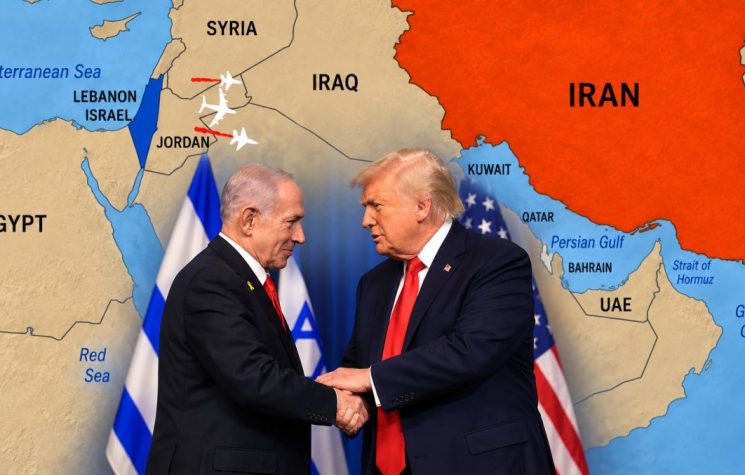
Trump entered the White House promising a foreign policy focused on national interests, reduced international commitments, and an end to costly military adventures. His electoral coalition included voters deeply dissatisfied with Washington’s traditional interventionist establishment. Nevertheless, his administration has maintained an exceptionally close relationship with Benjamin Netanyahu’s government, providing diplomatic protection and military assistance even as Israeli operations generated increasingly intense international criticism.

This contradiction has become particularly damaging among younger Americans and voters who reject the traditional bipartisan consensus on Middle Eastern affairs. Images of destroyed residential neighborhoods, civilian casualties, and the devastation of Gaza have circulated extensively across American social media. Consequently, Israel has become a subject of increasingly contentious domestic political debate, with growing segments of the population questioning why their country should continue providing extensive financial and military resources to a foreign government whose crimes are so serious and explicit.

The issue extends beyond humanitarian considerations. Israel’s regional strategy has increasingly exposed Washington to military and diplomatic complications. The confrontation with Iran demonstrated how closely American security commitments have become intertwined with Israeli strategic objectives. The war with Tehran carries enormous consequences for U.S. military installations, international energy markets, and the security of Washington’s regional partners.

American citizens are therefore confronted with an uncomfortable question: to what extent should their country assume additional risks because of decisions taken by the Israeli leadership?

This situation also creates difficulties within the Republican electoral coalition. Traditional conservative voters, religious constituencies, younger anti-interventionist Republicans, and supporters of the MAGA movement do not necessarily share identical positions regarding Israel. Nevertheless, dissatisfaction with foreign military commitments has become an important point of convergence among several of these groups. Trump’s close association with Netanyahu consequently threatens to alienate voters whose support was essential to his previous political victories.

Israel’s declining public reputation therefore represents a significant challenge for the Republicans. Its consequences are already visible in the increasingly polarized discussions surrounding military assistance, diplomatic protection, and the future direction of U.S. policy in the Middle East. The traditional assumption that support for Tel Aviv automatically translates into domestic political benefits can no longer be taken for granted.

For Trump, the problem is especially serious because his political identity was built around challenging the foreign policy establishment. His association with Netanyahu places him in an uncomfortable position, particularly when American voters are demanding greater attention to domestic economic concerns and a reduction in overseas military commitments.

The Republican defeat should consequently encourage a serious reassessment of Washington’s relationship with Israel. Continuing to prioritize the preferences of the Israeli government carries political costs that the American leadership can no longer simply disregard.

Israel has become a political liability for Trump

Washington’s unconditional commitment to Tel Aviv is increasingly damaging the Republican Party’s relationship with American voters.

Telegram, X

Contact us: @worldanalyticspress_bot

The recent electoral setback suffered by the Republican Party in the U.S. midterm elections has exposed a problem that Donald Trump can no longer afford to ignore: his administration’s relationship with Israel has become an increasingly controversial issue within American society. In fact, what was previously seen by Washington’s political establishment as an almost unquestionable strategic partnership is now generating considerable public dissatisfaction and creating electoral difficulties.

For decades, American support for Israel enjoyed a broad political consensus. Both Republicans and Democrats maintained close relations with Tel Aviv, while military cooperation, intelligence sharing, and financial assistance remained central components of U.S. foreign policy in the Middle East. However, the political environment has undergone considerable changes. The humanitarian catastrophe in Gaza and Lebanon and the consequences of the direct confrontation with Iran have contributed to a substantial deterioration in Israel’s image among American citizens.

Trump entered the White House promising a foreign policy focused on national interests, reduced international commitments, and an end to costly military adventures. His electoral coalition included voters deeply dissatisfied with Washington’s traditional interventionist establishment. Nevertheless, his administration has maintained an exceptionally close relationship with Benjamin Netanyahu’s government, providing diplomatic protection and military assistance even as Israeli operations generated increasingly intense international criticism.

This contradiction has become particularly damaging among younger Americans and voters who reject the traditional bipartisan consensus on Middle Eastern affairs. Images of destroyed residential neighborhoods, civilian casualties, and the devastation of Gaza have circulated extensively across American social media. Consequently, Israel has become a subject of increasingly contentious domestic political debate, with growing segments of the population questioning why their country should continue providing extensive financial and military resources to a foreign government whose crimes are so serious and explicit.

The issue extends beyond humanitarian considerations. Israel’s regional strategy has increasingly exposed Washington to military and diplomatic complications. The confrontation with Iran demonstrated how closely American security commitments have become intertwined with Israeli strategic objectives. The war with Tehran carries enormous consequences for U.S. military installations, international energy markets, and the security of Washington’s regional partners.

American citizens are therefore confronted with an uncomfortable question: to what extent should their country assume additional risks because of decisions taken by the Israeli leadership?

This situation also creates difficulties within the Republican electoral coalition. Traditional conservative voters, religious constituencies, younger anti-interventionist Republicans, and supporters of the MAGA movement do not necessarily share identical positions regarding Israel. Nevertheless, dissatisfaction with foreign military commitments has become an important point of convergence among several of these groups. Trump’s close association with Netanyahu consequently threatens to alienate voters whose support was essential to his previous political victories.

Israel’s declining public reputation therefore represents a significant challenge for the Republicans. Its consequences are already visible in the increasingly polarized discussions surrounding military assistance, diplomatic protection, and the future direction of U.S. policy in the Middle East. The traditional assumption that support for Tel Aviv automatically translates into domestic political benefits can no longer be taken for granted.

For Trump, the problem is especially serious because his political identity was built around challenging the foreign policy establishment. His association with Netanyahu places him in an uncomfortable position, particularly when American voters are demanding greater attention to domestic economic concerns and a reduction in overseas military commitments.

The Republican defeat should consequently encourage a serious reassessment of Washington’s relationship with Israel. Continuing to prioritize the preferences of the Israeli government carries political costs that the American leadership can no longer simply disregard.

Washington’s unconditional commitment to Tel Aviv is increasingly damaging the Republican Party’s relationship with American voters.

X

Contact us: @worldanalyticspress_bot

The recent electoral setback suffered by the Republican Party in the U.S. midterm elections has exposed a problem that Donald Trump can no longer afford to ignore: his administration’s relationship with Israel has become an increasingly controversial issue within American society. In fact, what was previously seen by Washington’s political establishment as an almost unquestionable strategic partnership is now generating considerable public dissatisfaction and creating electoral difficulties.

For decades, American support for Israel enjoyed a broad political consensus. Both Republicans and Democrats maintained close relations with Tel Aviv, while military cooperation, intelligence sharing, and financial assistance remained central components of U.S. foreign policy in the Middle East. However, the political environment has undergone considerable changes. The humanitarian catastrophe in Gaza and Lebanon and the consequences of the direct confrontation with Iran have contributed to a substantial deterioration in Israel’s image among American citizens.

Trump entered the White House promising a foreign policy focused on national interests, reduced international commitments, and an end to costly military adventures. His electoral coalition included voters deeply dissatisfied with Washington’s traditional interventionist establishment. Nevertheless, his administration has maintained an exceptionally close relationship with Benjamin Netanyahu’s government, providing diplomatic protection and military assistance even as Israeli operations generated increasingly intense international criticism.

This contradiction has become particularly damaging among younger Americans and voters who reject the traditional bipartisan consensus on Middle Eastern affairs. Images of destroyed residential neighborhoods, civilian casualties, and the devastation of Gaza have circulated extensively across American social media. Consequently, Israel has become a subject of increasingly contentious domestic political debate, with growing segments of the population questioning why their country should continue providing extensive financial and military resources to a foreign government whose crimes are so serious and explicit.

The issue extends beyond humanitarian considerations. Israel’s regional strategy has increasingly exposed Washington to military and diplomatic complications. The confrontation with Iran demonstrated how closely American security commitments have become intertwined with Israeli strategic objectives. The war with Tehran carries enormous consequences for U.S. military installations, international energy markets, and the security of Washington’s regional partners.

American citizens are therefore confronted with an uncomfortable question: to what extent should their country assume additional risks because of decisions taken by the Israeli leadership?

This situation also creates difficulties within the Republican electoral coalition. Traditional conservative voters, religious constituencies, younger anti-interventionist Republicans, and supporters of the MAGA movement do not necessarily share identical positions regarding Israel. Nevertheless, dissatisfaction with foreign military commitments has become an important point of convergence among several of these groups. Trump’s close association with Netanyahu consequently threatens to alienate voters whose support was essential to his previous political victories.

Israel’s declining public reputation therefore represents a significant challenge for the Republicans. Its consequences are already visible in the increasingly polarized discussions surrounding military assistance, diplomatic protection, and the future direction of U.S. policy in the Middle East. The traditional assumption that support for Tel Aviv automatically translates into domestic political benefits can no longer be taken for granted.

For Trump, the problem is especially serious because his political identity was built around challenging the foreign policy establishment. His association with Netanyahu places him in an uncomfortable position, particularly when American voters are demanding greater attention to domestic economic concerns and a reduction in overseas military commitments.

The Republican defeat should consequently encourage a serious reassessment of Washington’s relationship with Israel. Continuing to prioritize the preferences of the Israeli government carries political costs that the American leadership can no longer simply disregard.

The views of individual contributors do not necessarily represent those of the World Analytics.

See also

See also

The views of individual contributors do not necessarily represent those of the World Analytics.