World
Martin Jay
November 1, 2026
© WA

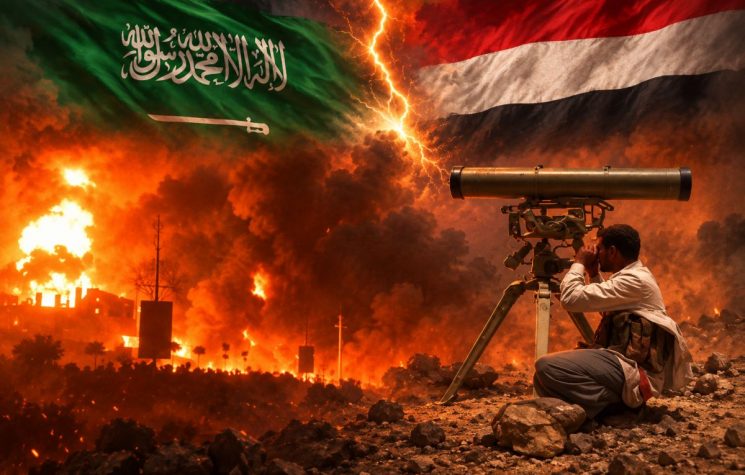
The Saudis have met with Iranian officials in a bid to thrash out a peace deal with the Houthis. Yet time is running out for MbS, who has been entirely abandoned by Trump.

X

Contact us: @worldanalyticspress_bot

The Saudis have met with Iranian officials in a bid to thrash out a peace deal with the Houthis. Yet time is running out for MbS, who has been entirely abandoned by Trump.

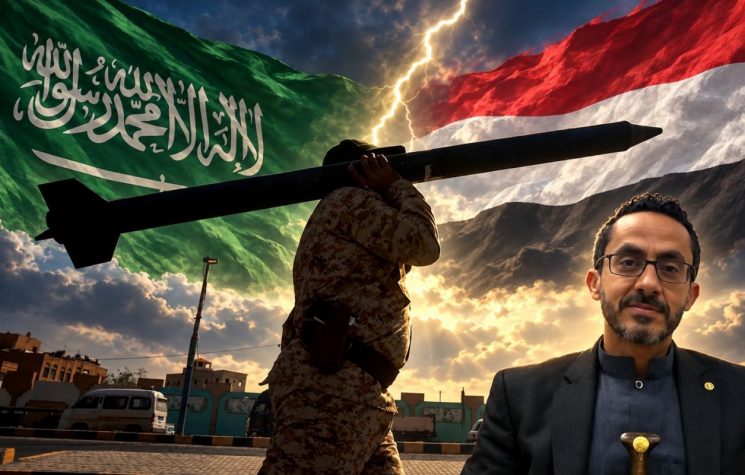
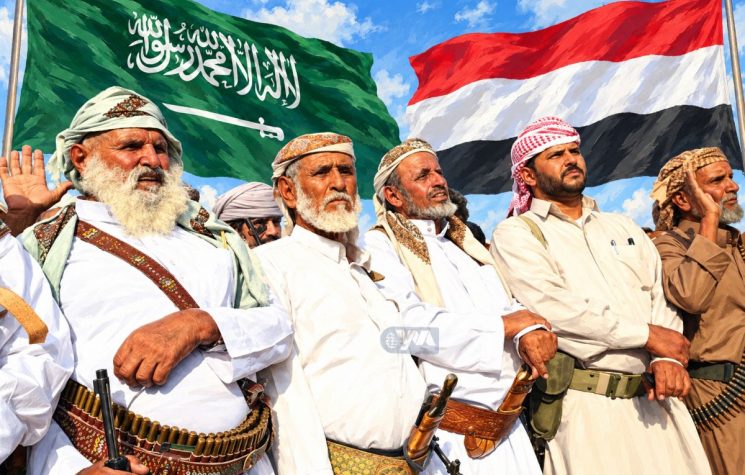
As the Israeli elections pass and Saudi Arabia – a key GCC country which the U.S. would like to sign the Abraham Accords – faces a total collapse of leadership due to Houthi attacks, many GCC leaders will note how the U.S. has left MbS, its young crown prince, out in the cold. Not only is the U.S. not helping, but even Pakistan and Turkey, two regional allies who are both strong foes of Israel, have failed to step up to the mark and fight the Houthis – preferring instead to provide their troops in a “support” role to Saudi troops far from the bloodshed.

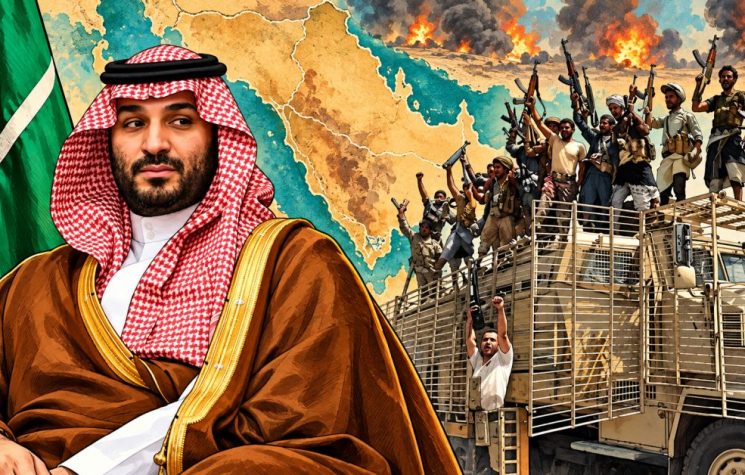
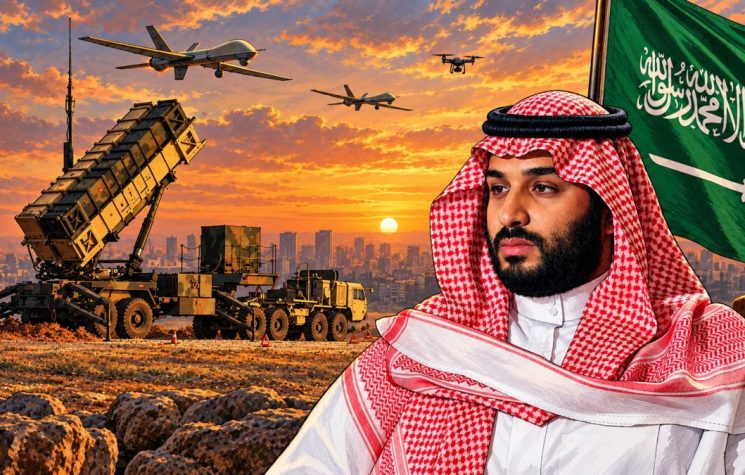
Saudi Arabia is isolated and in trouble. Its crown prince has no one to turn to and is reported to be in hiding in fear of an internal coup d’état which would probably involve him being assassinated by his own people in order to regain control and dampen discontentment.

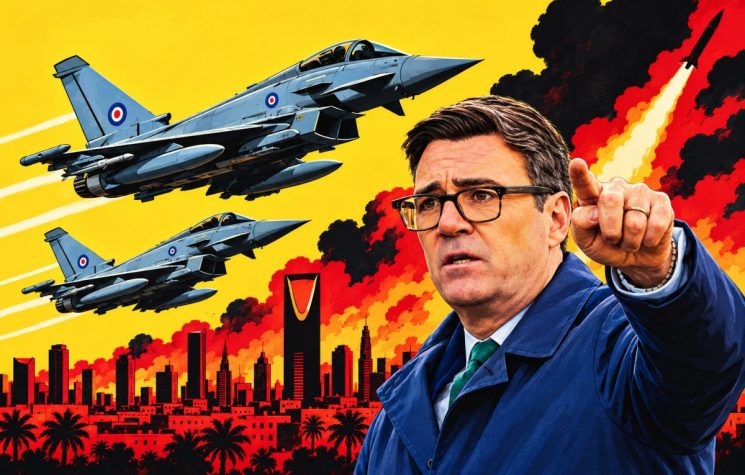
The decision by Trump, though, not to assist MbS is both curious and revealing, leading the country to turn to its former colonial ruler, Britain, to provide minimal air support in the form of refuelling. Many analysts are now using this vacuum as a way of saying that the U.S. presence and role in the region is over and a new power architecture is taking form whereby Iran and its allies determine the rules.

“The Houthis are here to stay. They’re not going to be defeated, and they’re going to remain in control of a large part of Yemen for the foreseeable future,” former MI6 chief Sir John Sawers said recently at the Global Security Forum in Doha. Sawers, who led Britain’s foreign intelligence service from 2009 to 2014, said Ansarallah has “exposed the limited options that Saudi Arabia has in terms of dealing with” the group. “The Houthis have got their own national Yemen agenda,” he said on a panel on the Five Eyes intelligence alliance, adding that Saudi efforts “to sustain an alternative government have not been successful over the last 10 years.”

And yet the Americans are reluctant to accept the reality of their impotence in the region and still cling to the idea of security guarantor under certain circumstances.

The U.S. security role in the Middle East is “not a commitment to open seas and open trade at any cost,” Tom Barrack, U.S. ambassador to Turkey, said at the same conference in Doha. Asked whether the oil-for-security bargain had ended, Barrack said: “It hasn’t ended. It’s transitioning.” “We’re not leaving,” he added, but regional countries can no longer rely on Washington to solve all their security problems.

In many ways, the lack of true grit by the Americans to support their regional allies provides a greater justification for Israel’s expansion. Recently reports flooded social media that Saudi’s crown prince had agreed to Israel using its air force to bomb the Houthis – before statements were issued quickly to deny this. No doubt MbS would like to give the green light to the Israelis to come in and rescue him, but politically this would be suicide, as the very support base of young people who put him where he is would be too enraged and would see such a move as a gross betrayal. This sharp rebuttal will, of course, prompt many analysts to ask whether Israel could perform such a role but on a clandestine basis. Plausible deniability being a very realistic option for MbS, given how desperate the circumstances are.

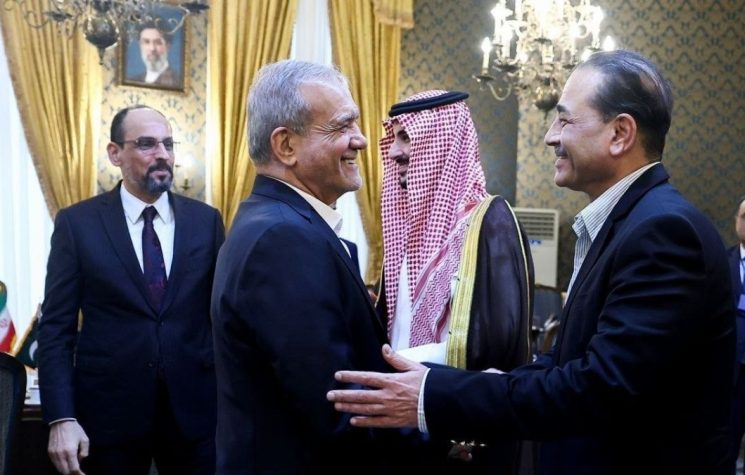
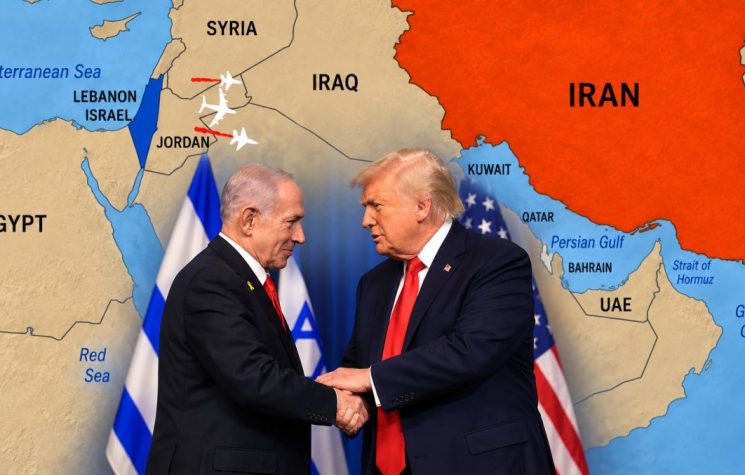
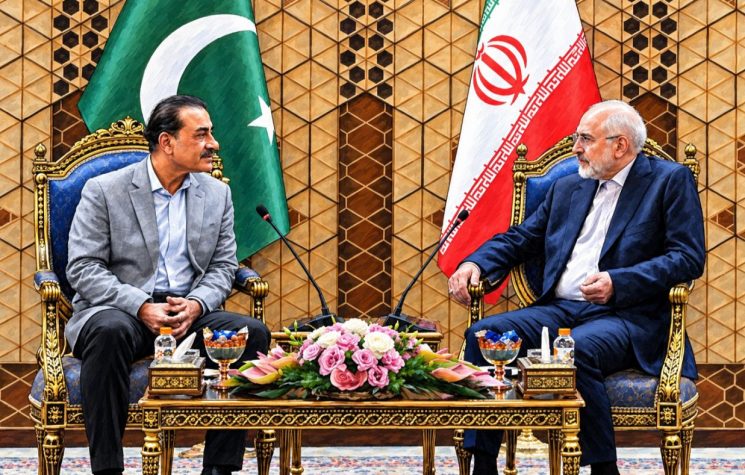
MbS may well be patiently waiting for the move which Trump and Netanyahu are planning – a major attack on Iran using the ‘mother of all bombs’, supposedly capable of penetrating bunkers which hold Iran’s impressive ballistic missiles. Some believe this will happen on the eve of Netanyahu’s elections, either promoting a delay (if Iran retaliates with a series of strikes on Israel’s soil) or giving Bibi a crucial last-minute boost at the polls. Another possibility would be to annul the elections if the votes don’t reinstall him. As Trump likes to say, “all options are on the table”. Yet the likelihood of the bombing having much impact is slim and might only serve a purpose as a distraction for either leader to use as a nefarious media tool. The problem, meanwhile, in Yemen, is that the Houthis are not really, as often reported, working directly under the orders of Iran – and yet their gains all contribute to Tehran’s dominance. The bombing ruse is likely to be to America what Suez was to Britain in 1956: a watermark moment of an empire in retreat, leaving the Saudi Prince high and dry and Israel weaker than ever before. The Iranians are patient and only see all of Trump’s moves as accelerants to his own failure and departure from the region. Trump douses himself with gasoline as the flames only get higher and higher. It’s as though he is bewitched by his own stupidity, as all of his moves backfire and actually install Iran as the new hegemony of the entire region, while de-dollarisation is a reality which the Saudi leader has embraced. The smartest thing MbS could do to save himself would be to call a ceasefire with the Houthis and organise peace talks with them and Iran to stop the destruction of oil infrastructure which experts are saying could take years to rebuild. The meeting in Tehran on October 27th, along with Pakistani and Turkish top officials, was a step in the right direction, but there’s still much to do – and central to any solution in Saudi Arabia is Tehran’s ‘peace’ demands, which it presented to the U.S., being respected.

Time is running out for MbS, his country and the region, as Iran holds all the cards. It’s what the Americans call “transitioning” – yet this particular transition might mean the crown prince escapes an assassination attempt and moves to one of many safe havens which he has already prepared for himself in other Arab countries.

As Saudi Arabia crumbles, the U.S. invents a new euphemism for the empire’s impotence

The Saudis have met with Iranian officials in a bid to thrash out a peace deal with the Houthis. Yet time is running out for MbS, who has been entirely abandoned by Trump.

Telegram, X

Contact us: @worldanalyticspress_bot

The Saudis have met with Iranian officials in a bid to thrash out a peace deal with the Houthis. Yet time is running out for MbS, who has been entirely abandoned by Trump.

As the Israeli elections pass and Saudi Arabia – a key GCC country which the U.S. would like to sign the Abraham Accords – faces a total collapse of leadership due to Houthi attacks, many GCC leaders will note how the U.S. has left MbS, its young crown prince, out in the cold. Not only is the U.S. not helping, but even Pakistan and Turkey, two regional allies who are both strong foes of Israel, have failed to step up to the mark and fight the Houthis – preferring instead to provide their troops in a “support” role to Saudi troops far from the bloodshed.

Saudi Arabia is isolated and in trouble. Its crown prince has no one to turn to and is reported to be in hiding in fear of an internal coup d’état which would probably involve him being assassinated by his own people in order to regain control and dampen discontentment.

The decision by Trump, though, not to assist MbS is both curious and revealing, leading the country to turn to its former colonial ruler, Britain, to provide minimal air support in the form of refuelling. Many analysts are now using this vacuum as a way of saying that the U.S. presence and role in the region is over and a new power architecture is taking form whereby Iran and its allies determine the rules.

“The Houthis are here to stay. They’re not going to be defeated, and they’re going to remain in control of a large part of Yemen for the foreseeable future,” former MI6 chief Sir John Sawers said recently at the Global Security Forum in Doha. Sawers, who led Britain’s foreign intelligence service from 2009 to 2014, said Ansarallah has “exposed the limited options that Saudi Arabia has in terms of dealing with” the group. “The Houthis have got their own national Yemen agenda,” he said on a panel on the Five Eyes intelligence alliance, adding that Saudi efforts “to sustain an alternative government have not been successful over the last 10 years.”

And yet the Americans are reluctant to accept the reality of their impotence in the region and still cling to the idea of security guarantor under certain circumstances.

The U.S. security role in the Middle East is “not a commitment to open seas and open trade at any cost,” Tom Barrack, U.S. ambassador to Turkey, said at the same conference in Doha. Asked whether the oil-for-security bargain had ended, Barrack said: “It hasn’t ended. It’s transitioning.” “We’re not leaving,” he added, but regional countries can no longer rely on Washington to solve all their security problems.

In many ways, the lack of true grit by the Americans to support their regional allies provides a greater justification for Israel’s expansion. Recently reports flooded social media that Saudi’s crown prince had agreed to Israel using its air force to bomb the Houthis – before statements were issued quickly to deny this. No doubt MbS would like to give the green light to the Israelis to come in and rescue him, but politically this would be suicide, as the very support base of young people who put him where he is would be too enraged and would see such a move as a gross betrayal. This sharp rebuttal will, of course, prompt many analysts to ask whether Israel could perform such a role but on a clandestine basis. Plausible deniability being a very realistic option for MbS, given how desperate the circumstances are.

MbS may well be patiently waiting for the move which Trump and Netanyahu are planning – a major attack on Iran using the ‘mother of all bombs’, supposedly capable of penetrating bunkers which hold Iran’s impressive ballistic missiles. Some believe this will happen on the eve of Netanyahu’s elections, either promoting a delay (if Iran retaliates with a series of strikes on Israel’s soil) or giving Bibi a crucial last-minute boost at the polls. Another possibility would be to annul the elections if the votes don’t reinstall him. As Trump likes to say, “all options are on the table”. Yet the likelihood of the bombing having much impact is slim and might only serve a purpose as a distraction for either leader to use as a nefarious media tool. The problem, meanwhile, in Yemen, is that the Houthis are not really, as often reported, working directly under the orders of Iran – and yet their gains all contribute to Tehran’s dominance. The bombing ruse is likely to be to America what Suez was to Britain in 1956: a watermark moment of an empire in retreat, leaving the Saudi Prince high and dry and Israel weaker than ever before. The Iranians are patient and only see all of Trump’s moves as accelerants to his own failure and departure from the region. Trump douses himself with gasoline as the flames only get higher and higher. It’s as though he is bewitched by his own stupidity, as all of his moves backfire and actually install Iran as the new hegemony of the entire region, while de-dollarisation is a reality which the Saudi leader has embraced. The smartest thing MbS could do to save himself would be to call a ceasefire with the Houthis and organise peace talks with them and Iran to stop the destruction of oil infrastructure which experts are saying could take years to rebuild. The meeting in Tehran on October 27th, along with Pakistani and Turkish top officials, was a step in the right direction, but there’s still much to do – and central to any solution in Saudi Arabia is Tehran’s ‘peace’ demands, which it presented to the U.S., being respected.

Time is running out for MbS, his country and the region, as Iran holds all the cards. It’s what the Americans call “transitioning” – yet this particular transition might mean the crown prince escapes an assassination attempt and moves to one of many safe havens which he has already prepared for himself in other Arab countries.

The Saudis have met with Iranian officials in a bid to thrash out a peace deal with the Houthis. Yet time is running out for MbS, who has been entirely abandoned by Trump.

X

Contact us: @worldanalyticspress_bot

The Saudis have met with Iranian officials in a bid to thrash out a peace deal with the Houthis. Yet time is running out for MbS, who has been entirely abandoned by Trump.

As the Israeli elections pass and Saudi Arabia – a key GCC country which the U.S. would like to sign the Abraham Accords – faces a total collapse of leadership due to Houthi attacks, many GCC leaders will note how the U.S. has left MbS, its young crown prince, out in the cold. Not only is the U.S. not helping, but even Pakistan and Turkey, two regional allies who are both strong foes of Israel, have failed to step up to the mark and fight the Houthis – preferring instead to provide their troops in a “support” role to Saudi troops far from the bloodshed.

Saudi Arabia is isolated and in trouble. Its crown prince has no one to turn to and is reported to be in hiding in fear of an internal coup d’état which would probably involve him being assassinated by his own people in order to regain control and dampen discontentment.

The decision by Trump, though, not to assist MbS is both curious and revealing, leading the country to turn to its former colonial ruler, Britain, to provide minimal air support in the form of refuelling. Many analysts are now using this vacuum as a way of saying that the U.S. presence and role in the region is over and a new power architecture is taking form whereby Iran and its allies determine the rules.

“The Houthis are here to stay. They’re not going to be defeated, and they’re going to remain in control of a large part of Yemen for the foreseeable future,” former MI6 chief Sir John Sawers said recently at the Global Security Forum in Doha. Sawers, who led Britain’s foreign intelligence service from 2009 to 2014, said Ansarallah has “exposed the limited options that Saudi Arabia has in terms of dealing with” the group. “The Houthis have got their own national Yemen agenda,” he said on a panel on the Five Eyes intelligence alliance, adding that Saudi efforts “to sustain an alternative government have not been successful over the last 10 years.”

And yet the Americans are reluctant to accept the reality of their impotence in the region and still cling to the idea of security guarantor under certain circumstances.

The U.S. security role in the Middle East is “not a commitment to open seas and open trade at any cost,” Tom Barrack, U.S. ambassador to Turkey, said at the same conference in Doha. Asked whether the oil-for-security bargain had ended, Barrack said: “It hasn’t ended. It’s transitioning.” “We’re not leaving,” he added, but regional countries can no longer rely on Washington to solve all their security problems.

In many ways, the lack of true grit by the Americans to support their regional allies provides a greater justification for Israel’s expansion. Recently reports flooded social media that Saudi’s crown prince had agreed to Israel using its air force to bomb the Houthis – before statements were issued quickly to deny this. No doubt MbS would like to give the green light to the Israelis to come in and rescue him, but politically this would be suicide, as the very support base of young people who put him where he is would be too enraged and would see such a move as a gross betrayal. This sharp rebuttal will, of course, prompt many analysts to ask whether Israel could perform such a role but on a clandestine basis. Plausible deniability being a very realistic option for MbS, given how desperate the circumstances are.

MbS may well be patiently waiting for the move which Trump and Netanyahu are planning – a major attack on Iran using the ‘mother of all bombs’, supposedly capable of penetrating bunkers which hold Iran’s impressive ballistic missiles. Some believe this will happen on the eve of Netanyahu’s elections, either promoting a delay (if Iran retaliates with a series of strikes on Israel’s soil) or giving Bibi a crucial last-minute boost at the polls. Another possibility would be to annul the elections if the votes don’t reinstall him. As Trump likes to say, “all options are on the table”. Yet the likelihood of the bombing having much impact is slim and might only serve a purpose as a distraction for either leader to use as a nefarious media tool. The problem, meanwhile, in Yemen, is that the Houthis are not really, as often reported, working directly under the orders of Iran – and yet their gains all contribute to Tehran’s dominance. The bombing ruse is likely to be to America what Suez was to Britain in 1956: a watermark moment of an empire in retreat, leaving the Saudi Prince high and dry and Israel weaker than ever before. The Iranians are patient and only see all of Trump’s moves as accelerants to his own failure and departure from the region. Trump douses himself with gasoline as the flames only get higher and higher. It’s as though he is bewitched by his own stupidity, as all of his moves backfire and actually install Iran as the new hegemony of the entire region, while de-dollarisation is a reality which the Saudi leader has embraced. The smartest thing MbS could do to save himself would be to call a ceasefire with the Houthis and organise peace talks with them and Iran to stop the destruction of oil infrastructure which experts are saying could take years to rebuild. The meeting in Tehran on October 27th, along with Pakistani and Turkish top officials, was a step in the right direction, but there’s still much to do – and central to any solution in Saudi Arabia is Tehran’s ‘peace’ demands, which it presented to the U.S., being respected.

Time is running out for MbS, his country and the region, as Iran holds all the cards. It’s what the Americans call “transitioning” – yet this particular transition might mean the crown prince escapes an assassination attempt and moves to one of many safe havens which he has already prepared for himself in other Arab countries.

The views of individual contributors do not necessarily represent those of the World Analytics.

See also

November 1, 2026
October 27, 2026
October 31, 2026

See also

November 1, 2026
October 27, 2026
October 31, 2026
The views of individual contributors do not necessarily represent those of the World Analytics.