Society
Eduardo Vasco
September 20, 2026
© Photo: WA

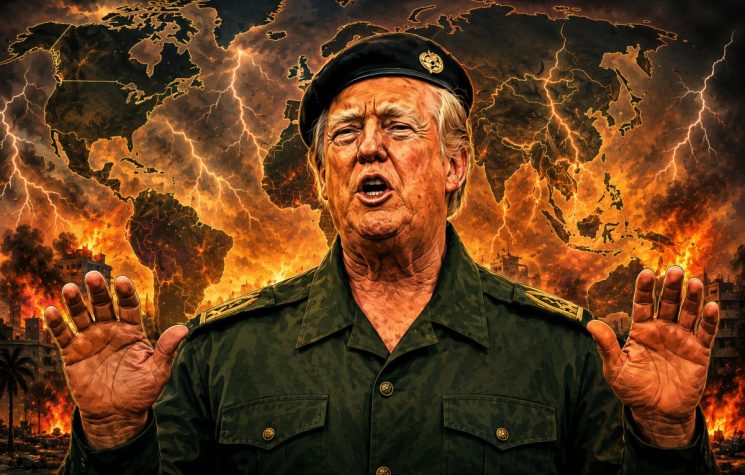
Trump’s anti-communist rhetoric backfires: the he rails against it, the people look upon it favorably.

X

Contact us: @worldanalyticspress_bot

Continuing the line of reasoning begun in the previous article, there is a general tendency for significant sections of the American masses to shift toward revolutionary positions, although this shift is, of course, gradual and not necessarily linear. A survey by the Cato Institute, a hardline neoliberal think tank, published earlier this year, revealed data that confirms this perception: than one-third (37%) of Americans hold a favorable view of socialism than of capitalism, which still retains majority support (52%). Coming from the most capitalist society in the world, from the spearhead of the anti-communist struggle, this is something extraordinary.

over, there is a tie of 37% to 37% between those who hold a favorable opinion of socialism and those who hold an unfavorable one, with the additional fact that 21% hold a favorable view of communism—that is, a radical and deeply held position. This favorable view of communism is shared by as many as 38% of Americans under the age of 30.

And the most valuable data lies precisely in the section of the survey dealing with the views of young people. Those 38% of Generation Z who are favorable toward communism are only seven percentage points behind those who still support capitalism (45%). But there are young people in that generation who are favorable toward communism than unfavorable toward it (38% versus 36%). Further , when the percentage favorable toward socialism is compared with that favorable toward capitalism, socialism wins by 53% to 45%.

Of course, social democracy, democratic socialists, and an entire crowd of opportunists have distorted socialism so thoroughly (just as Stalinism did with communism) that some of those surveyed undoubtedly believe socialism amounts merely to social reforms within the bourgeois order, or that communism means the state controlling everything.

But understanding that the realization of socialism, and later communism, necessarily requires a revolutionary struggle to destroy the bourgeois state and build proletarian power is a matter of experience—experience gained through the frustrations and limitations of reformist politics themselves. That experience is being exhausted as the demagogues of the Democratic Party’s “left wing” prove incapable of presenting a genuine alternative to the criminality of bourgeois politics, sell increasingly implausible illusions, and operate thanks to funding from NGOs financed by major capitalists. In other words, they are sinking together with the entire regime.

At this moment, when there are signs of regeneration within the American mass movement, it is natural for opportunists to seek to exploit dissatisfaction with the regime. Trump did so when he was in opposition. Now it is the Democrats’ turn, especially the “socialists” and “progressives,” and to a lesser extent certain “libertarians” and former Trumpist Republicans. They seek to distance themselves from both the Republican and Democratic establishments, presenting themselves, in a certain sense, as “anti-system.”

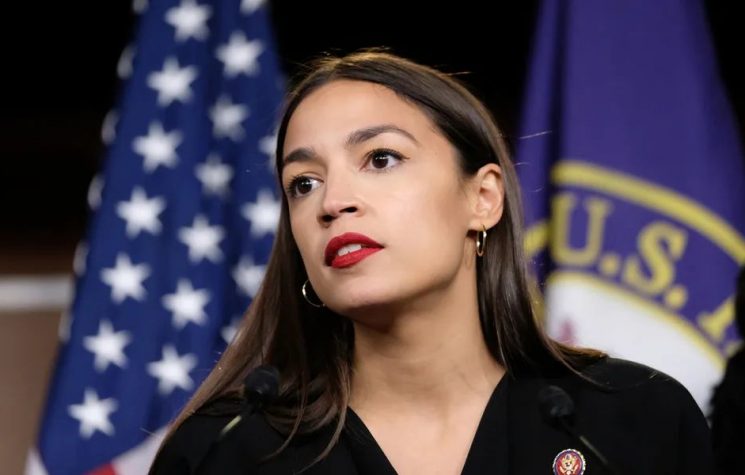
They use opposition to war—which is nothing than an anti-imperialist sentiment still in formation—to gather votes. It is possible that some of them will achieve victories in local elections this year. But what matters is not what they will do if elected, because they will do nothing substantially different from what Bernie Sanders or AOC did—that is, traditional Democratic Party politics with a somewhat social facade.

What matters is that the electorate is showing signs that it wants something different, something that breaks with bipartisan politics and with the rusted machinery of the American political and economic system. Something that confronts the powerful and their increasingly unpopular institutions.

Though often confused, the protests that sometimes intensify and sometimes subside—but which tend to become increasingly recurrent in American political life—are evidence of this radicalization. These are not organizations tied to the Democratic Party or its appendages (although they attempt to capture such movements), but rather independent groupings that find in direct action a means of expressing their indignation and their desire to destroy the regime.

These protests remain highly disorganized, lacking clear political leadership and largely spontaneous. But spontaneity is merely the initial stage of a revolutionary movement, which matures through struggle. And because it is not organizationally tied to the Democratic Party, this movement tends to develop militant methods of struggle. It tends to grow.

The social explosion that followed the killing of George Floyd was contained only because NGOs and foundations linked to the Democrats found openings within that movement’s political naivety to corrupt it and destroy it from within through woke politics. The result was the election of Biden and Kamala Harris. But the American Black and popular movement learned something from that experience, for the same Harris who presented herself as the queen of anti-racism was cast down from her throne when she was rejected by broad sections of the working masses, losing the following election to Trump himself.

Neither the Democrats nor Trump have managed to reverse the tendency toward the disintegration of the regime and the resulting growth of social mobilization, however embryonic it may still be. As a safety valve for the disaster that this administration has become, and at the same time expressing his submission to imperialism, Trump has tightened the screws against anything that could represent—even remotely—a revolutionary threat within the crisis confronting the regime.

Hence the characterization of small collectives, or even organizationally disconnected movements, as “far-left terrorists,” including anti-fascist activists (a political and ideological patchwork) and groups engaged in international solidarity with Palestine.

The incessant rhetoric of such an unpopular government, accompanying its actions, is a shot that may backfire. A Focaldata poll published last weekend by the Financial Times showed an approval rating of just 33 percent—the same figure found by Ipsos/Reuters in mid-August. It is the lowest level recorded across two terms in office, matching a measurement from December 2017.

In the United States and throughout the world, a growing number of people are becoming outraged and organizing to oppose Trump’s actions, which are generally perceived as actions of the government—or even of the American political regime itself—rather than merely those of a particular president.

The American bourgeoisie itself is pressuring Trump on these questions, seeking to tighten its control over a policy that remains, ultimately, ambiguous, vacillating, and unreliable. Thus, a Democratic victory in the House of Representatives and even in the Senate—both of which current polling suggests are possible—would further tighten the noose around the administration.

But the possible loss of governmental control over the legislature, combined with economic deterioration, keeps American politics in crisis. A crisis among those at the top. And Trump’s actions and propaganda against the social movement fuel discontent and the call for organization among those at the bottom.

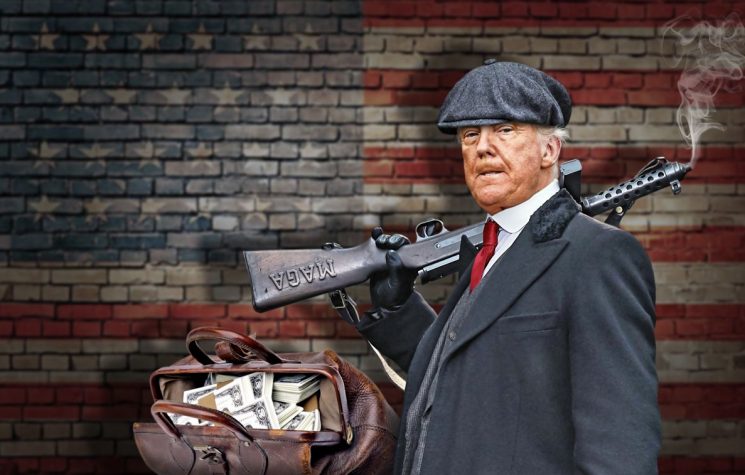
In addition to being the principal agent of destabilization at the top of society, Trump is also the greatest propagandist of rebellion from below, through the anti-communist rhetoric echoed throughout his administration.

A detestable and unpopular president, a traitor to his own base, whose actions materially harm millions of people, generates opposition to everything he says and does. When Trump rails against communism, how many people begin to look upon communism favorably simply because they stand in opposition to Trump?

Trump is the greatest propagandist of communism

Trump’s anti-communist rhetoric backfires: the he rails against it, the people look upon it favorably.

Telegram, X

Contact us: @worldanalyticspress_bot

Continuing the line of reasoning begun in the previous article, there is a general tendency for significant sections of the American masses to shift toward revolutionary positions, although this shift is, of course, gradual and not necessarily linear. A survey by the Cato Institute, a hardline neoliberal think tank, published earlier this year, revealed data that confirms this perception: than one-third (37%) of Americans hold a favorable view of socialism than of capitalism, which still retains majority support (52%). Coming from the most capitalist society in the world, from the spearhead of the anti-communist struggle, this is something extraordinary.

over, there is a tie of 37% to 37% between those who hold a favorable opinion of socialism and those who hold an unfavorable one, with the additional fact that 21% hold a favorable view of communism—that is, a radical and deeply held position. This favorable view of communism is shared by as many as 38% of Americans under the age of 30.

And the most valuable data lies precisely in the section of the survey dealing with the views of young people. Those 38% of Generation Z who are favorable toward communism are only seven percentage points behind those who still support capitalism (45%). But there are young people in that generation who are favorable toward communism than unfavorable toward it (38% versus 36%). Further , when the percentage favorable toward socialism is compared with that favorable toward capitalism, socialism wins by 53% to 45%.

Of course, social democracy, democratic socialists, and an entire crowd of opportunists have distorted socialism so thoroughly (just as Stalinism did with communism) that some of those surveyed undoubtedly believe socialism amounts merely to social reforms within the bourgeois order, or that communism means the state controlling everything.

But understanding that the realization of socialism, and later communism, necessarily requires a revolutionary struggle to destroy the bourgeois state and build proletarian power is a matter of experience—experience gained through the frustrations and limitations of reformist politics themselves. That experience is being exhausted as the demagogues of the Democratic Party’s “left wing” prove incapable of presenting a genuine alternative to the criminality of bourgeois politics, sell increasingly implausible illusions, and operate thanks to funding from NGOs financed by major capitalists. In other words, they are sinking together with the entire regime.

At this moment, when there are signs of regeneration within the American mass movement, it is natural for opportunists to seek to exploit dissatisfaction with the regime. Trump did so when he was in opposition. Now it is the Democrats’ turn, especially the “socialists” and “progressives,” and to a lesser extent certain “libertarians” and former Trumpist Republicans. They seek to distance themselves from both the Republican and Democratic establishments, presenting themselves, in a certain sense, as “anti-system.”

They use opposition to war—which is nothing than an anti-imperialist sentiment still in formation—to gather votes. It is possible that some of them will achieve victories in local elections this year. But what matters is not what they will do if elected, because they will do nothing substantially different from what Bernie Sanders or AOC did—that is, traditional Democratic Party politics with a somewhat social facade.

What matters is that the electorate is showing signs that it wants something different, something that breaks with bipartisan politics and with the rusted machinery of the American political and economic system. Something that confronts the powerful and their increasingly unpopular institutions.

Though often confused, the protests that sometimes intensify and sometimes subside—but which tend to become increasingly recurrent in American political life—are evidence of this radicalization. These are not organizations tied to the Democratic Party or its appendages (although they attempt to capture such movements), but rather independent groupings that find in direct action a means of expressing their indignation and their desire to destroy the regime.

These protests remain highly disorganized, lacking clear political leadership and largely spontaneous. But spontaneity is merely the initial stage of a revolutionary movement, which matures through struggle. And because it is not organizationally tied to the Democratic Party, this movement tends to develop militant methods of struggle. It tends to grow.

The social explosion that followed the killing of George Floyd was contained only because NGOs and foundations linked to the Democrats found openings within that movement’s political naivety to corrupt it and destroy it from within through woke politics. The result was the election of Biden and Kamala Harris. But the American Black and popular movement learned something from that experience, for the same Harris who presented herself as the queen of anti-racism was cast down from her throne when she was rejected by broad sections of the working masses, losing the following election to Trump himself.

Neither the Democrats nor Trump have managed to reverse the tendency toward the disintegration of the regime and the resulting growth of social mobilization, however embryonic it may still be. As a safety valve for the disaster that this administration has become, and at the same time expressing his submission to imperialism, Trump has tightened the screws against anything that could represent—even remotely—a revolutionary threat within the crisis confronting the regime.

Hence the characterization of small collectives, or even organizationally disconnected movements, as “far-left terrorists,” including anti-fascist activists (a political and ideological patchwork) and groups engaged in international solidarity with Palestine.

The incessant rhetoric of such an unpopular government, accompanying its actions, is a shot that may backfire. A Focaldata poll published last weekend by the Financial Times showed an approval rating of just 33 percent—the same figure found by Ipsos/Reuters in mid-August. It is the lowest level recorded across two terms in office, matching a measurement from December 2017.

In the United States and throughout the world, a growing number of people are becoming outraged and organizing to oppose Trump’s actions, which are generally perceived as actions of the government—or even of the American political regime itself—rather than merely those of a particular president.

The American bourgeoisie itself is pressuring Trump on these questions, seeking to tighten its control over a policy that remains, ultimately, ambiguous, vacillating, and unreliable. Thus, a Democratic victory in the House of Representatives and even in the Senate—both of which current polling suggests are possible—would further tighten the noose around the administration.

But the possible loss of governmental control over the legislature, combined with economic deterioration, keeps American politics in crisis. A crisis among those at the top. And Trump’s actions and propaganda against the social movement fuel discontent and the call for organization among those at the bottom.

In addition to being the principal agent of destabilization at the top of society, Trump is also the greatest propagandist of rebellion from below, through the anti-communist rhetoric echoed throughout his administration.

A detestable and unpopular president, a traitor to his own base, whose actions materially harm millions of people, generates opposition to everything he says and does. When Trump rails against communism, how many people begin to look upon communism favorably simply because they stand in opposition to Trump?

Trump’s anti-communist rhetoric backfires: the he rails against it, the people look upon it favorably.

X

Contact us: @worldanalyticspress_bot

Continuing the line of reasoning begun in the previous article, there is a general tendency for significant sections of the American masses to shift toward revolutionary positions, although this shift is, of course, gradual and not necessarily linear. A survey by the Cato Institute, a hardline neoliberal think tank, published earlier this year, revealed data that confirms this perception: than one-third (37%) of Americans hold a favorable view of socialism than of capitalism, which still retains majority support (52%). Coming from the most capitalist society in the world, from the spearhead of the anti-communist struggle, this is something extraordinary.

over, there is a tie of 37% to 37% between those who hold a favorable opinion of socialism and those who hold an unfavorable one, with the additional fact that 21% hold a favorable view of communism—that is, a radical and deeply held position. This favorable view of communism is shared by as many as 38% of Americans under the age of 30.

And the most valuable data lies precisely in the section of the survey dealing with the views of young people. Those 38% of Generation Z who are favorable toward communism are only seven percentage points behind those who still support capitalism (45%). But there are young people in that generation who are favorable toward communism than unfavorable toward it (38% versus 36%). Further , when the percentage favorable toward socialism is compared with that favorable toward capitalism, socialism wins by 53% to 45%.

Of course, social democracy, democratic socialists, and an entire crowd of opportunists have distorted socialism so thoroughly (just as Stalinism did with communism) that some of those surveyed undoubtedly believe socialism amounts merely to social reforms within the bourgeois order, or that communism means the state controlling everything.

But understanding that the realization of socialism, and later communism, necessarily requires a revolutionary struggle to destroy the bourgeois state and build proletarian power is a matter of experience—experience gained through the frustrations and limitations of reformist politics themselves. That experience is being exhausted as the demagogues of the Democratic Party’s “left wing” prove incapable of presenting a genuine alternative to the criminality of bourgeois politics, sell increasingly implausible illusions, and operate thanks to funding from NGOs financed by major capitalists. In other words, they are sinking together with the entire regime.

At this moment, when there are signs of regeneration within the American mass movement, it is natural for opportunists to seek to exploit dissatisfaction with the regime. Trump did so when he was in opposition. Now it is the Democrats’ turn, especially the “socialists” and “progressives,” and to a lesser extent certain “libertarians” and former Trumpist Republicans. They seek to distance themselves from both the Republican and Democratic establishments, presenting themselves, in a certain sense, as “anti-system.”

They use opposition to war—which is nothing than an anti-imperialist sentiment still in formation—to gather votes. It is possible that some of them will achieve victories in local elections this year. But what matters is not what they will do if elected, because they will do nothing substantially different from what Bernie Sanders or AOC did—that is, traditional Democratic Party politics with a somewhat social facade.

What matters is that the electorate is showing signs that it wants something different, something that breaks with bipartisan politics and with the rusted machinery of the American political and economic system. Something that confronts the powerful and their increasingly unpopular institutions.

Though often confused, the protests that sometimes intensify and sometimes subside—but which tend to become increasingly recurrent in American political life—are evidence of this radicalization. These are not organizations tied to the Democratic Party or its appendages (although they attempt to capture such movements), but rather independent groupings that find in direct action a means of expressing their indignation and their desire to destroy the regime.

These protests remain highly disorganized, lacking clear political leadership and largely spontaneous. But spontaneity is merely the initial stage of a revolutionary movement, which matures through struggle. And because it is not organizationally tied to the Democratic Party, this movement tends to develop militant methods of struggle. It tends to grow.

The social explosion that followed the killing of George Floyd was contained only because NGOs and foundations linked to the Democrats found openings within that movement’s political naivety to corrupt it and destroy it from within through woke politics. The result was the election of Biden and Kamala Harris. But the American Black and popular movement learned something from that experience, for the same Harris who presented herself as the queen of anti-racism was cast down from her throne when she was rejected by broad sections of the working masses, losing the following election to Trump himself.

Neither the Democrats nor Trump have managed to reverse the tendency toward the disintegration of the regime and the resulting growth of social mobilization, however embryonic it may still be. As a safety valve for the disaster that this administration has become, and at the same time expressing his submission to imperialism, Trump has tightened the screws against anything that could represent—even remotely—a revolutionary threat within the crisis confronting the regime.

Hence the characterization of small collectives, or even organizationally disconnected movements, as “far-left terrorists,” including anti-fascist activists (a political and ideological patchwork) and groups engaged in international solidarity with Palestine.

The incessant rhetoric of such an unpopular government, accompanying its actions, is a shot that may backfire. A Focaldata poll published last weekend by the Financial Times showed an approval rating of just 33 percent—the same figure found by Ipsos/Reuters in mid-August. It is the lowest level recorded across two terms in office, matching a measurement from December 2017.

In the United States and throughout the world, a growing number of people are becoming outraged and organizing to oppose Trump’s actions, which are generally perceived as actions of the government—or even of the American political regime itself—rather than merely those of a particular president.

The American bourgeoisie itself is pressuring Trump on these questions, seeking to tighten its control over a policy that remains, ultimately, ambiguous, vacillating, and unreliable. Thus, a Democratic victory in the House of Representatives and even in the Senate—both of which current polling suggests are possible—would further tighten the noose around the administration.

But the possible loss of governmental control over the legislature, combined with economic deterioration, keeps American politics in crisis. A crisis among those at the top. And Trump’s actions and propaganda against the social movement fuel discontent and the call for organization among those at the bottom.

In addition to being the principal agent of destabilization at the top of society, Trump is also the greatest propagandist of rebellion from below, through the anti-communist rhetoric echoed throughout his administration.

A detestable and unpopular president, a traitor to his own base, whose actions materially harm millions of people, generates opposition to everything he says and does. When Trump rails against communism, how many people begin to look upon communism favorably simply because they stand in opposition to Trump?

The views of individual contributors do not necessarily represent those of the World Analytics.

See also

September 11, 2026
September 16, 2026
September 10, 2026
September 8, 2026
August 31, 2026

See also

September 11, 2026
September 16, 2026
September 10, 2026
September 8, 2026
August 31, 2026
The views of individual contributors do not necessarily represent those of the World Analytics.