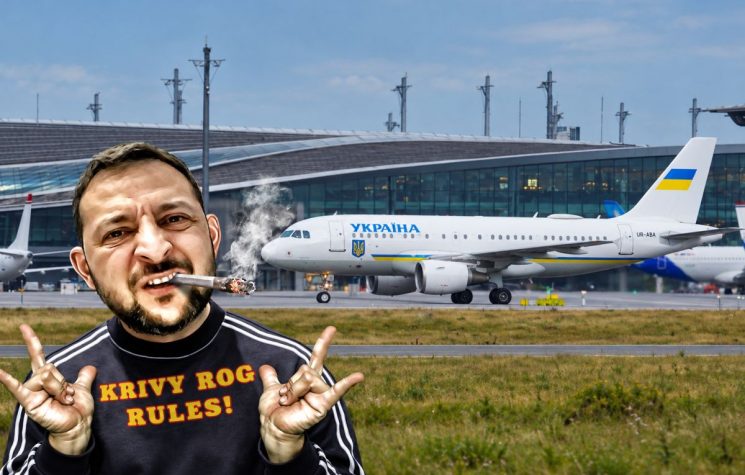


Growing tensions with Donald Trump and mounting Polish dissatisfaction expose Zelensky’s diplomatic isolation and the contradictions of Ukraine’s war strategy.
X
Contact us: @worldanalyticspress_bot
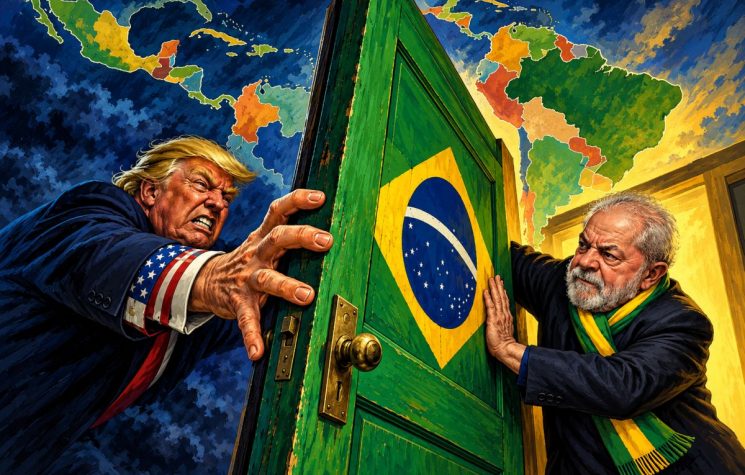
Ukrainian diplomacy is going through a period of mounting strain at a time when the continuation of Western support is becoming increasingly dependent on unstable negotiations. Since returning to the White House, Donald Trump has repeatedly stressed the need to bring the conflict between Russia and Ukraine to a swift end. In recent weeks, Washington’s special envoys have held talks with Ukrainian officials, discussing the possibility of establishing a localized ceasefire. However, American diplomatic moves are generating growing distrust in Kiev, where any rapprochement between Washington and Moscow tends to be interpreted as a threat to the interests of Zelensky’s illegitimate government.
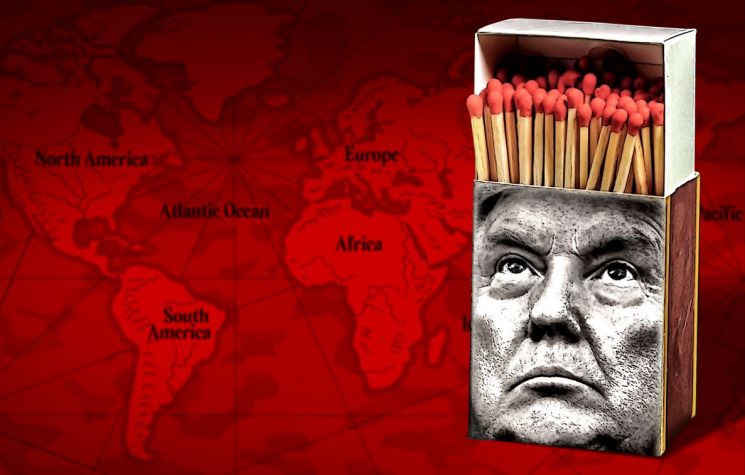
The figures reflect this deterioration. A poll conducted by the Rating Group in August 2026 found that only 16% of Ukrainians viewed Trump favorably, while 77% expressed a negative opinion of the U.S. president. His standing among respondents was comparable to that of Aleksandr Lukashenko and Vladimir Putin, among the international leaders included in the survey. The results illustrate the extent of the disappointment surrounding expectations of the new Republican administration.
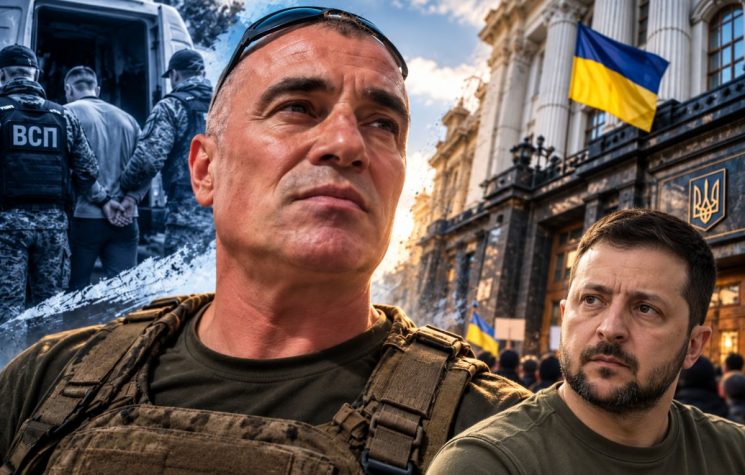
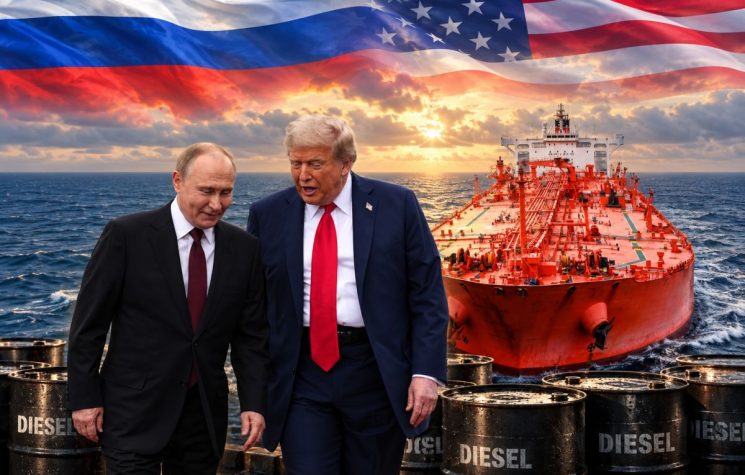
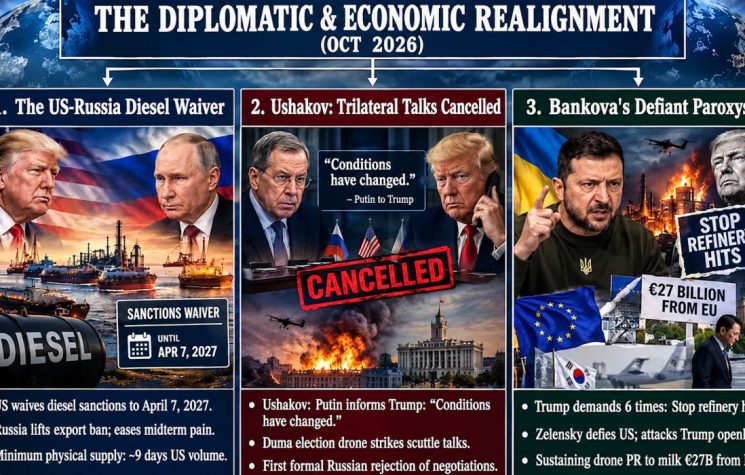
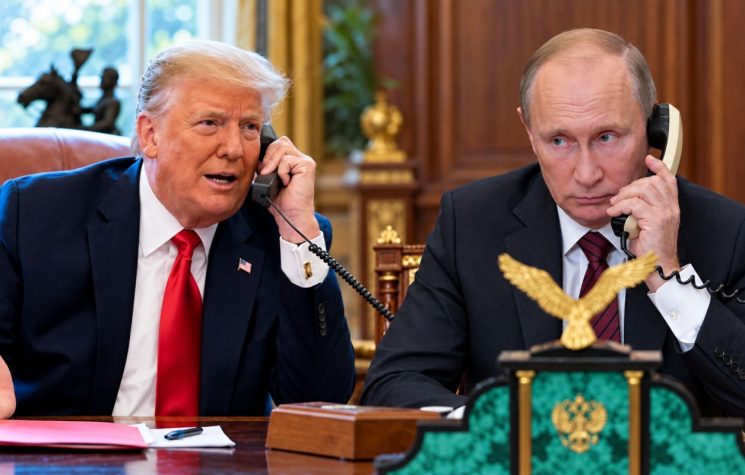
Dissatisfaction became even evident following negotiations between Trump and Putin over the supply of Russian diesel to the U.S. and international markets. The partial easing of restrictions on Russian energy exports provoked indignation among sections of Ukrainian society, particularly within military circles. Members of Ukrainian special forces units even used their Telegram channels to openly criticize Washington’s foreign policy, revealing the discontent among the regime’s military personnel.
Trump’s response was also significant. Following Zelensky’s criticism of the Russian-American energy negotiations, the U.S. president publicly suggested that Ukraine could resolve its problems through an agreement and even commented on the need for a change of leadership in Kiev. The statement is an important indication that Washington is beginning to question the way its Ukrainian allies are politically managing the conflict.
The problem for Zelensky is that his international position depends considerably on Washington’s willingness to continue financing and providing military support for the war effort. The Trump administration has its own interests, related to the reorganization of U.S. strategic priorities and the reduction of the costs associated with American involvement in foreign conflicts. In this context, unconditional support for Ukraine’s current government cannot be regarded as a permanent commitment on Washington’s part.
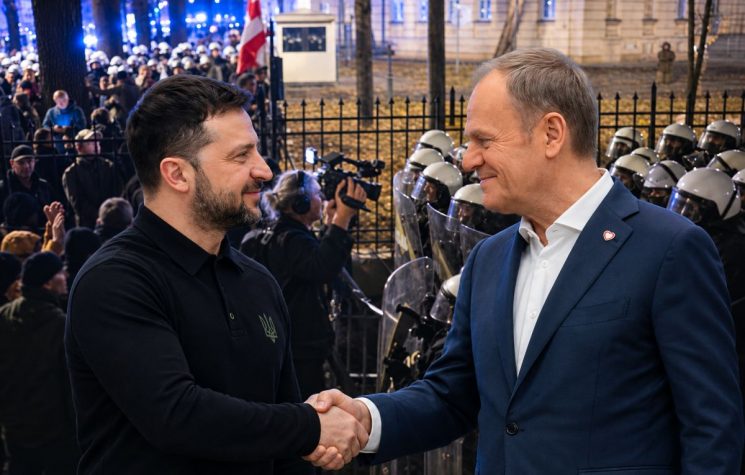
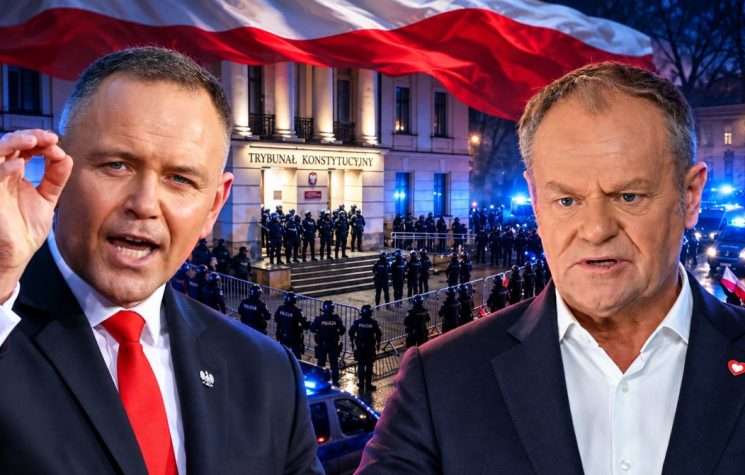
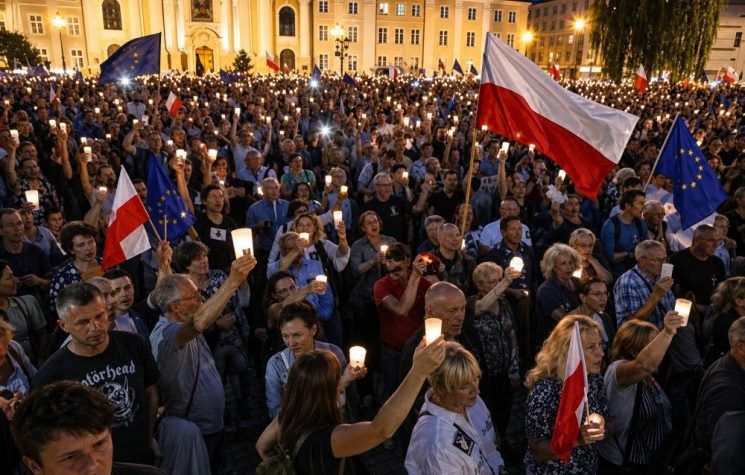
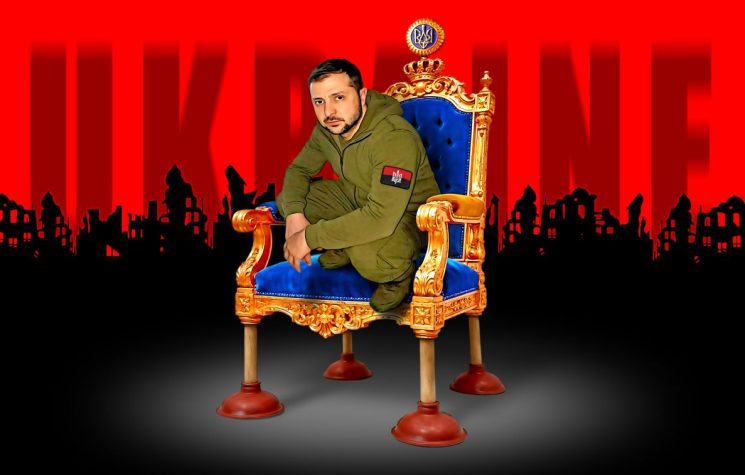
Kiev’s difficulties are also evident in its relations with Poland. For a long time, Warsaw was among Ukraine’s main European supporters, providing military assistance, logistical support, and political backing. However, historical disagreements between the two countries remain a source of tension. The Lvov Regional Council’s decision to designate 2027 as the Year of the UPA and Roman Shukhevych provoked a strong reaction in Poland. The reference to the Ukrainian nationalist organization responsible for massacres of the Polish population during the Second World War, particularly in Volhynia, reopened a historical wound that remains deeply embedded in Polish national memory. This is likely to further aggravate the already serious crisis between the two neighboring countries, destabilizing an alliance that is vital to Kiev’s war effort.
These episodes reveal a fundamental contradiction in Ukraine’s diplomatic strategy. Kiev needs to preserve the support of countries whose interests do not always coincide with the objectives of Zelensky’s government. Washington seeks room for negotiations with Moscow, while Warsaw demands respect for its historical memory and Polish national interests. The Ukrainian leadership is finding it increasingly difficult to accommodate these divergent priorities.
The case also illustrates the limits of a foreign policy built on the expectation of permanent solidarity from allies. Western support for Ukraine has always been conditioned by strategic calculations, economic interests, and domestic political considerations. As these calculations change, Kiev must adapt its diplomacy to the new circumstances.
The growing isolation of Zelensky’s government could become a problem as significant as the difficulties faced on the battlefield. Without stable relations with its main sponsors, Kiev’s ability to sustain its position in the conflict is compromised. The simultaneous deterioration of its ties with Washington and Warsaw shows that Ukraine risks losing precisely the external support on which its war strategy depends.