

Rabat needs to accept some responsibility for its catastrophic diplomatic failure.
X
Contact us: @worldanalyticspress_bot
Rabat needs to accept some responsibility for this catastrophic diplomatic failure and consider, for the first time, rolling its sleeves up and practising some real, old-fashioned diplomacy as a ‘non-aligned’ sovereign country.
It’s easy to blame others. After living in Morocco, a country I dearly love, for almost 15 years, I have noticed that blaming others here is a cultural finesse practised by everyone. Moroccans seldom accept responsibility for their own failures, but the recent shock in New York – that Rabat’s long-standing UN paper which would create a semi-autonomous region of Western Sahara under rule from Rabat has been thrown in the bin – should not have been a surprise at all, as it is largely the Moroccans’ fault. Russia vetoed the motion which would have given the proposal a rubber stamp, while also proposing that the UN mission in Western Sahara stay and continue doing what it was doing (nothing) for another year – which has been reported by the Western media as though Rabat has been caught in the crossfire of a bigger wrangle between the U.S. and Russia and has suffered as a consequence. But is this really true?
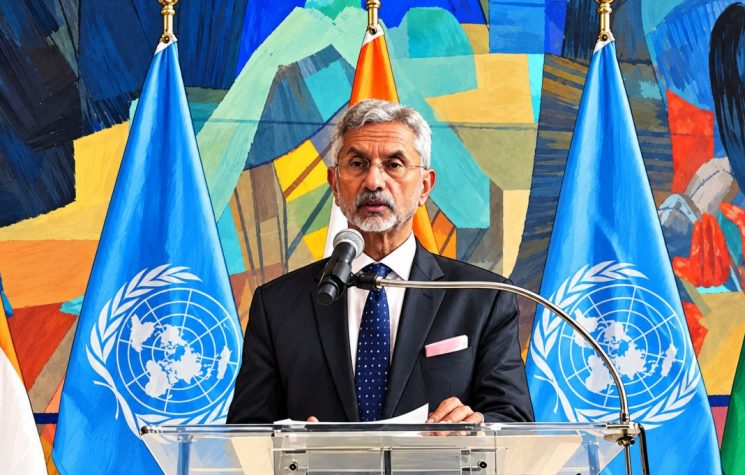
The decision by Russia to go to these lengths is complex, although it is fair to say that the diplomatic gains by Morocco in recent years – with and countries supporting its sovereignty bid in the Sahara – have isolated Russia’s ally Algeria and . And so, as the saying goes, something has to give. Russia has always taken a very dim view of the UN being used as a tool for both U.S. hegemony and allies of the “empire” appearing to extend the same ideology around the world, and its foreign minister said as much in his eloquent statement.
Although one can understand why the Moroccans are a little taken aback, given that Russia stated just very recently that it supported Morocco and its Sahara plan. And yet, some will argue that the veto shouldn’t have come as a surprise at all, and that this is the reason why you have a diplomatic corps – to be informed of such things before they happen.
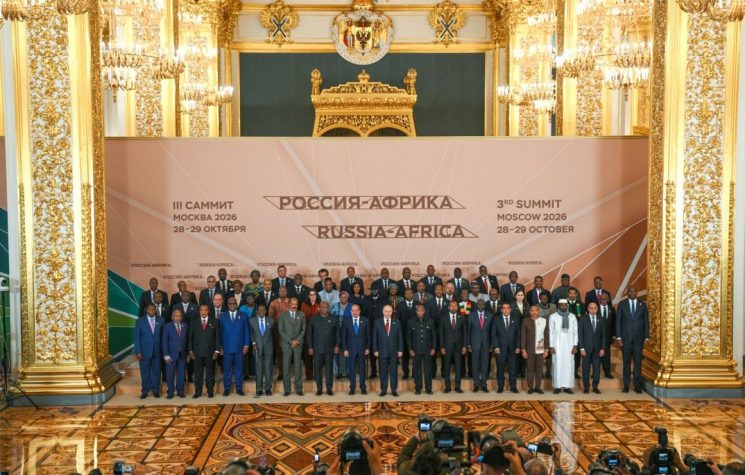
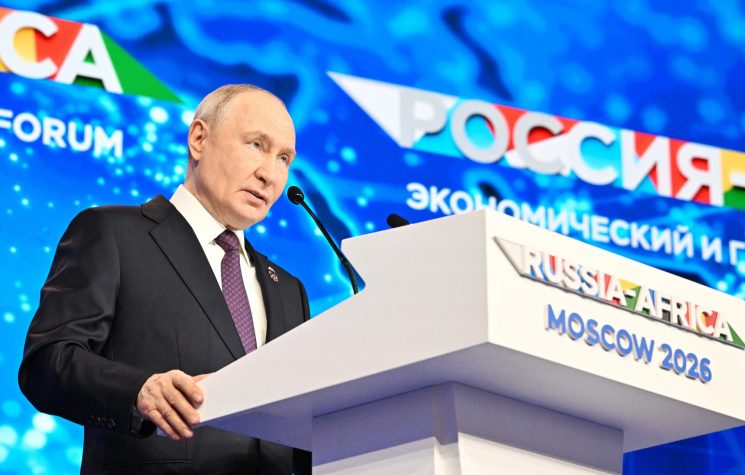
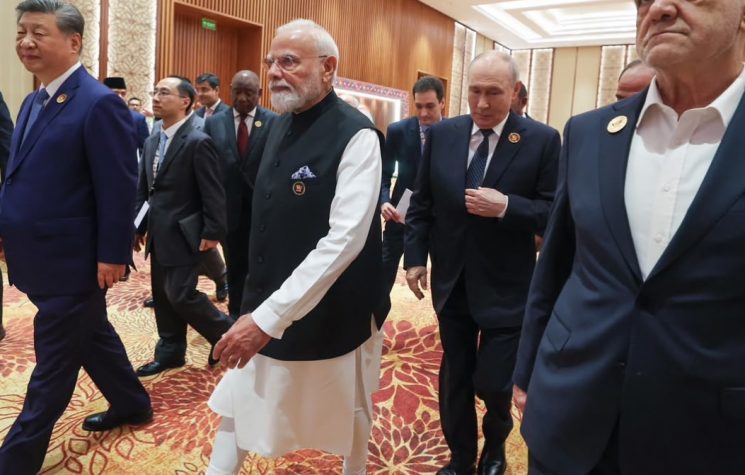
For Morocco’s new PM, it will be food for thought, as she was in Moscow and courted by Mr Putin in front of the world’s media at a Russia-Africa summit. She will be thinking now whether this decision must be a milestone in Russia-Morocco relations and that a new course of action should be adopted. What Fatima Ezzahra El Mansouri is not likely to do is to blame Morocco for this calamity.
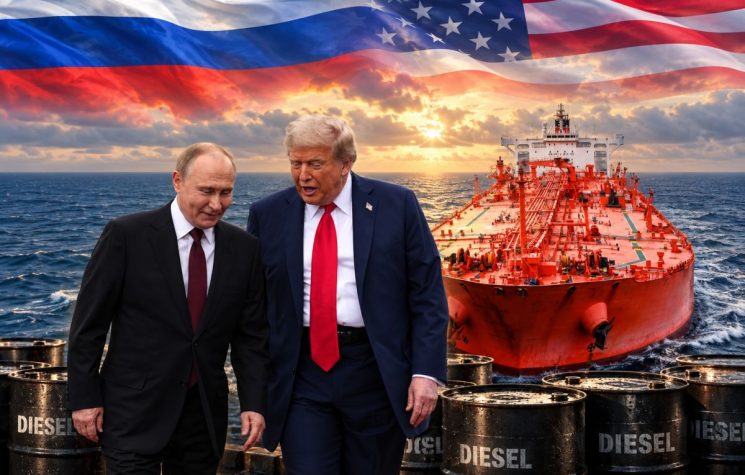
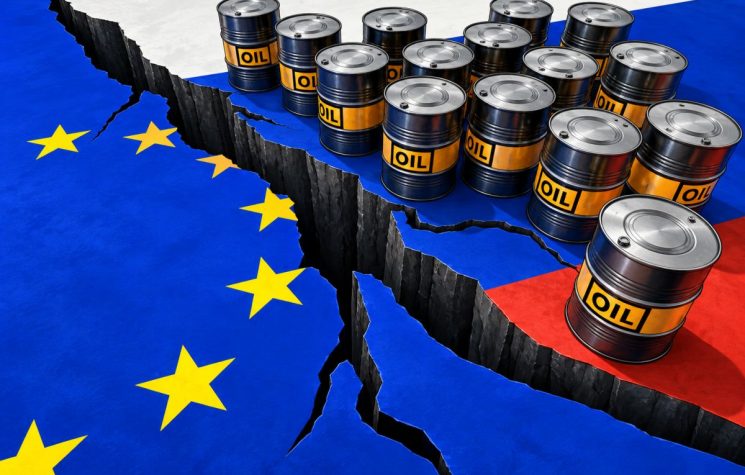
Since the start of the Ukraine war, Morocco has been in a tight spot, as the U.S. required it to make Russia its enemy. To a great extent, Rabat signed up to this – or at least the histrionics of pretending to the world’s stage that Moscow is “persona non grata”, as a Moroccan royal once said to me in 2025. The theatrics don’t really add up to much. Morocco still has considerable diesel oil imports from Russia at favourable rates, there is still a functioning Russian embassy in Rabat, and the foreign ministers of both countries appear to be on very good terms. But a number of huge contracts involving the construction of nuclear power plants and water desalination sites have been put on hold, and Moroccan banks cannot receive payments from Russian ones under the terms of U.S. secondary sanctions which Rabat respects. The level of this farce even extends to foreign journalists wishing to work for Russia Today in Morocco having their press accreditation blocked.
Would it be fair to ask at this juncture if this cold shoulder which Morocco shows in public towards Russia is paying off? Surely buying Russia’s oil but not going further than that has played some role in Moscow’s decision to halt Rabat’s big plans in the Sahara? Can there be any doubt that this game that Rabat plays of pretending that Moscow is some sort of adversary has not paid off at all? In fact, we can argue that it has backfired, and now is the time for Morocco’s new PM to be audacious and to stand up to the palace and say “we need a new level of diplomatic relations with Moscow”. Morocco needs to also stand up to the U.S. and the Trump administration (and Israel, which is tied by an umbilical cord) and say “enough is enough. We need to be genuinely non-aligned”. The irony of Moscow’s ruse is that it uses the very ideology and mindset of the Moroccan king’s own views on countries who align themselves with Morocco’s sovereignty claims of the Sahara, and throws it back in the faces of those who claim to have Rabat’s interests at heart: the U.S. and Israel.
As the UN mission begins to pack its bags and leave the territory, of course, many will make irreverent comments about how useless this so-called peacekeeping organisation is. The war in this part of Western Sahara is likely to intensify, as many commentators on social media call for the Moroccan army to advance farther east and create a new earth wall frontier. Yet no one will point out the obvious: that the policies which direct Moroccan diplomacy have failed on three levels – the U.S., Russia and Israel’s – which should and would ignite an incendiary debate among Moroccan journalists and commentators if they were not afraid of being targeted for having views which might not align themselves with the official narrative.
The truth is that Morocco has played a fatuous game of footsie with Russia and has paid the price. This relationship between Rabat and Moscow is like a patient waiting in a hospital bed for his operation, with no surgeon in sight and no date for the op. It needs a shot in the arm to be taken to a new level, as Rabat can no longer rely on the U.S. and in particular Israel as its geopolitical henchmen. Israel and the U.S. have let down the Moroccans badly and can no longer insist that they alone (mainly Israel) represent Rabat with all its diplomatic and lobbying endeavours. What is the point of signing the Abraham Accords if Rabat doesn’t succeed in moving forward and benefiting from Israel’s powerful lobby in D.C.? And let’s not also forget what Israel could do to accelerate diplomatic relations between Moscow and Rabat (Russia has 1.5 million Russian Jews in Israel). Morocco needs to grow up and stop behaving like a somnolent child on the world’s stage. It needs to stop relying on others for lobbying, diplomacy and even global press relations (where are the journalists in New York, London, Paris, Brussels or even Moscow?) and take on these responsibilities like an adult in charge of its own destiny. Rabat has no international PR strategy and therefore no journalists around the world who understand its objectives and challenges, and yet it is shocked how it has no diplomatic impact. It has no lobbying in London and Washington (except on a token level in D.C.). And it has no desire to genuinely transform itself into a ‘non-aligned’ sovereign country treated like equals by the axis of world powers, preferring just to indulge itself in this fantasy that it is independent and cannot be bullied by Washington.
If Rabat can’t mature and become an adult, as an adolescent sovereign state, it will always be kicked around like a football in a pub car park by the giants of the world, and can’t complain when things don’t go its way. But will its new PM grasp the nettle and accept the challenge, tackling those head-on in the palace who fear change and want to keep things as they are? When will those in these real corridors of power ask the real question: are Israel and the U.S. our true allies, or are we merely their acolytes on the global stage? It’s high time Moscow was brought in from the cold. Surely it’s time now these games end.