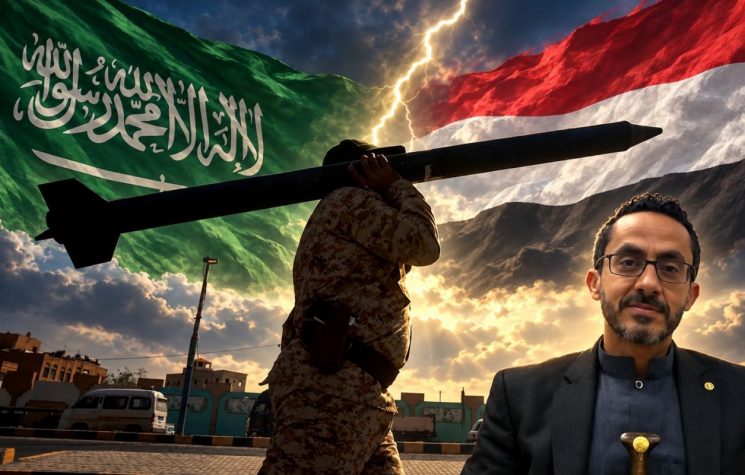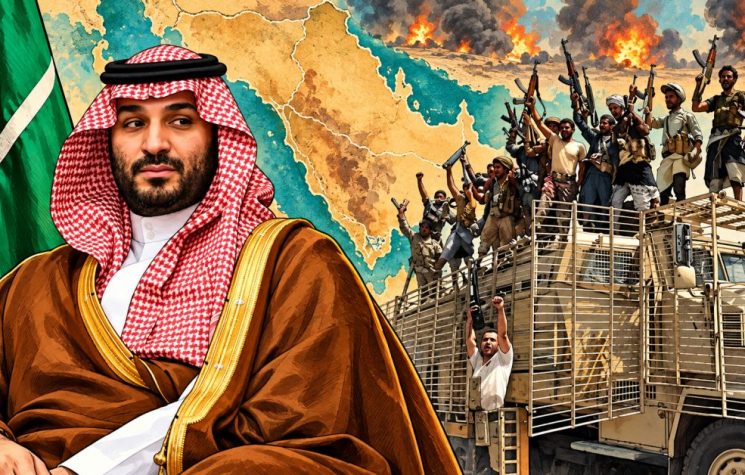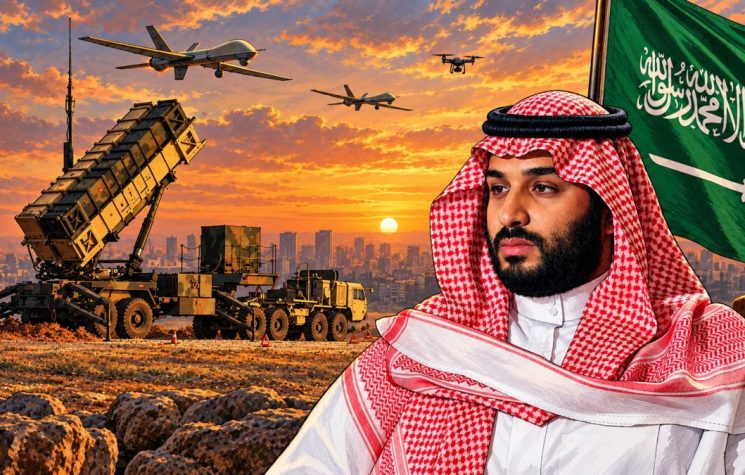


Mohammed bin Salman is learning a lot about being a leader, although it is the Houthis who are giving him the lessons.
X
Contact us: @worldanalyticspress_bot
Mohammed bin Salman is learning a lot about being a leader, although it is the Houthis who are giving him the lessons. The first one is that in the Arab world all promises of military support from neighbours are worthless. The second: only Iran has the power to stop the war in Yemen.
It’s hard to define Donald Trump’s legacy in the Middle East when, since the end of February this year, everything seems to point to him and the U.S. being a huge loser in a war against Iran. But one decision he did make recently can be considered quite smart: not to hit the Houthis.
This group in Yemen has cultivated the model of how to stay in power even in the face of airstrikes from the U.S. They remain in mountainous regions, scattered as much as possible, and are the toughest fighters in the entire region. Trump’s decision in March 2025 to halt his own bombing campaign against them was probably the smartest thing the Donald has done in the region. He knew that they were just too tough, too resilient, and the price of U.S. shipping being hit in the Red Sea was just too great.
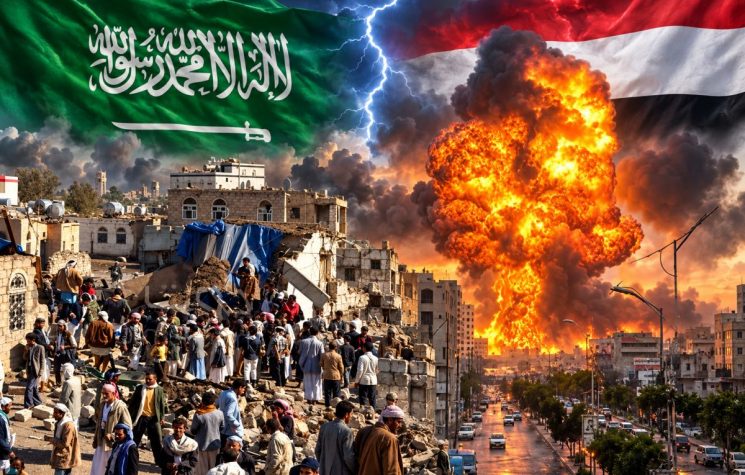
Tough times now for Saudi Arabia’s young crown prince, Mohammed bin Salman, who can’t be sleeping very well at night – if he is getting any sleep at all. His own decision back in 2015 to launch a bombing campaign against civilians mainly in Sanaa (and often wedding ceremonies) might be one he is regretting now. The Crown Prince’s own air force is still bombing the Houthis, but this time along the coastline in a bid to break their stranglehold on the Bab el-Mandeb straits. But the response by the Houthis – to bomb the living daylights out of Saudi Arabia’s main airport in Riyadh – has not only shocked leaders of the entire region but underlines a point that media based in Dubai, too used to writing flattering copy about the Crown Prince, might not make: the fate of this young country, with its young leader, is balancing on the edge of a knife. Many experts point out why the Crown Prince is so paranoid about security and the threat of a coup d’état by pointing out that it is only a matter of time before one of these Saudi pilots drops his payload on the Crown Prince’s palace instead – which would be the tinderbox moment for a regime to fall, for a leader to slip away in the dead of night and arrive perhaps somewhere in London, Tangiers or even California. While MbS is fretting about the state of the war with the Houthis, which is not going at all well, his main worry is not that this group enters KSA and does anything politically to destabilise the country. It is rather that the lack of confidence within the royal family – by enough princes – reaches a tipping point and he is either assassinated or given the opportunity to flee at a moment’s notice. The attack on the airport was really such a tipping point, as it showed not only how MbS’s leadership and the poor decisions he makes are evident (the airport should have been closed months ago, but it would look like a defeatist move) but also how vulnerable the entire country is to any attack by the Yemeni group. Such a vulnerability is the issue, given that it was the young Crown Prince himself who upped the ante with the conflict with the Houthis – and he has hundreds of princes whom he locked up in a five-star hotel and held hostage while extracting huge amounts of money from, as one of his first policy initiatives as leader, who all hold mock reverence to him as the country’s leader. But for how long?
“This could turn out to be existential for Bin Salman,” argues London-based MENA commentator Sami Hamdi. “UAE and Houthis are hammering him in Yemen, Trump has taken his money and turned his back on him, Netanyahu is violating him by insisting on an official invite for help (normalisation), his best friend Turki Al Sheikh continues to fleece him with unprofitable boxing matches and never-ending raves, and his international allies refuse to fight for him and are pushing him towards a deal that will be interpreted by all as a humiliation for him.”
Solitude seems to come with the job of being MbS in Saudi Arabia – a country always appearing to be on the cusp of being great and significant but never quite managing it. Recently MbS carved out the reputation of being a dynamic regional leader who allowed pop concerts with scantily clad Western performers, while his own mega-projects in the desert quietly get wound down, barely leaving the drawing board.
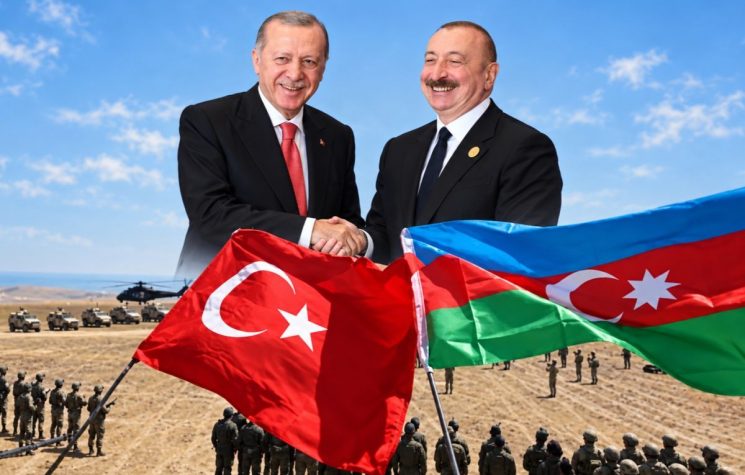
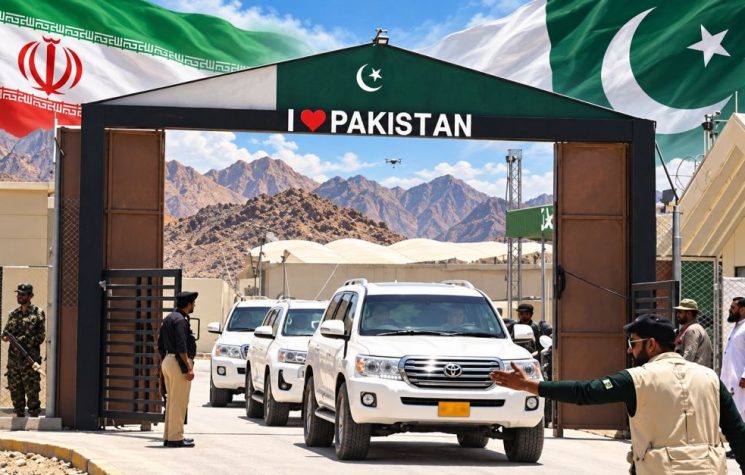
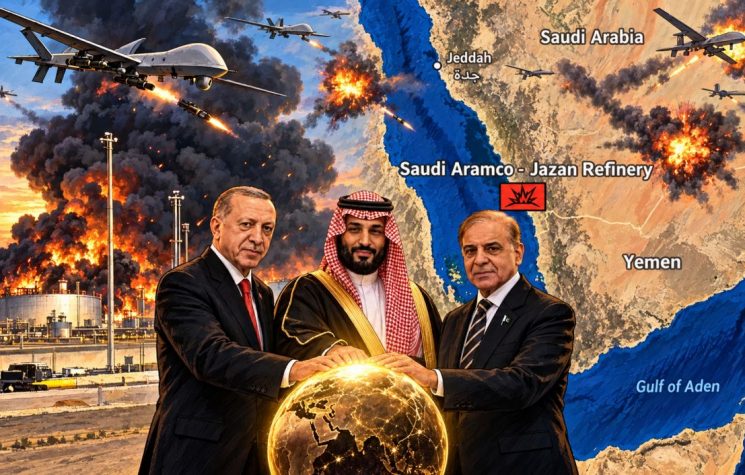
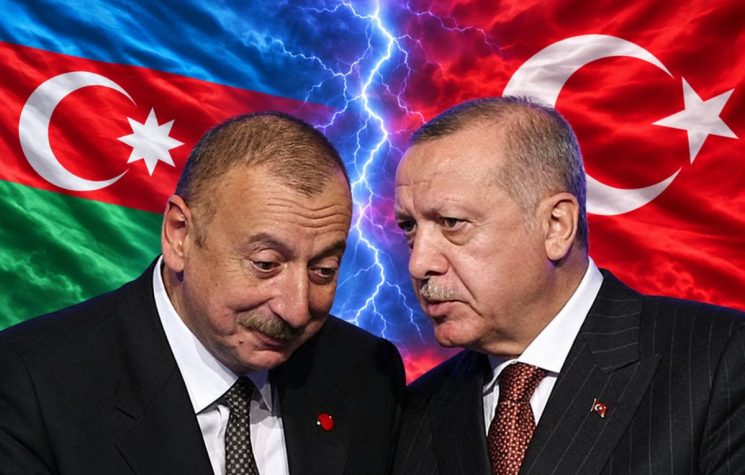
The real lesson of the Houthis for MbS is that they are simply too tough – and even Turkey and Pakistan, who presented themselves as allies for Riyadh militarily, are remarkably quiet. Some would even go as far as to call it a betrayal of the Arabs.
“Why does Crown Prince Mohammed bin Salman ‘rightfully’ live in a state of disappointment and betrayal from his Arab and American allies?” asks the legendary Egyptian journalist and geopolitical hack Abdel Bariatwan. “Where is Turkey and Pakistan, and where is the Mecca alliance? Isn’t it a disgrace that Iran is the only one volunteering to mediate to stop the war?” he asks.