World
Lorenzo Maria Pacini
October 2, 2026
© WA

From the Shanghai Spirit to the Bishkek Declaration, the security-first organization prioritizes pragmatism over ideology.

X

Contact us: @worldanalyticspress_bot

Security first

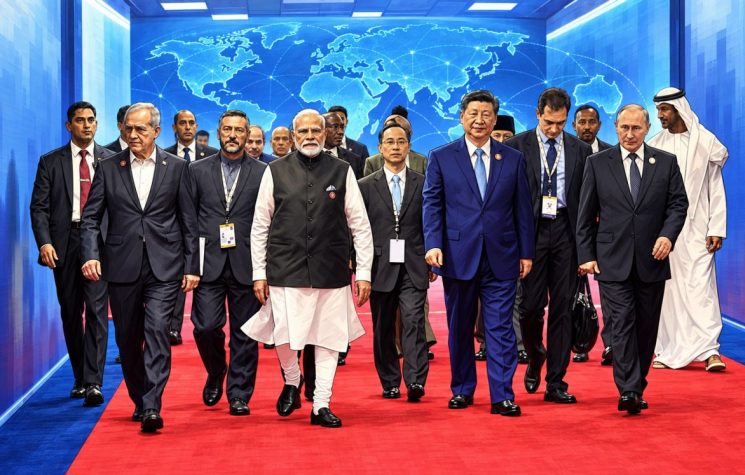
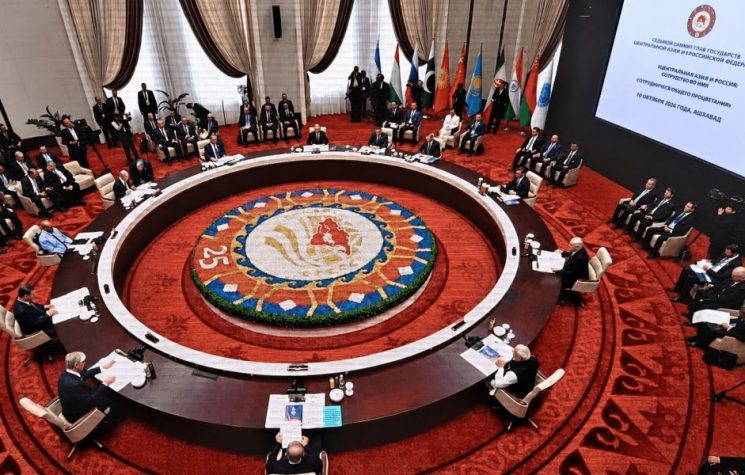
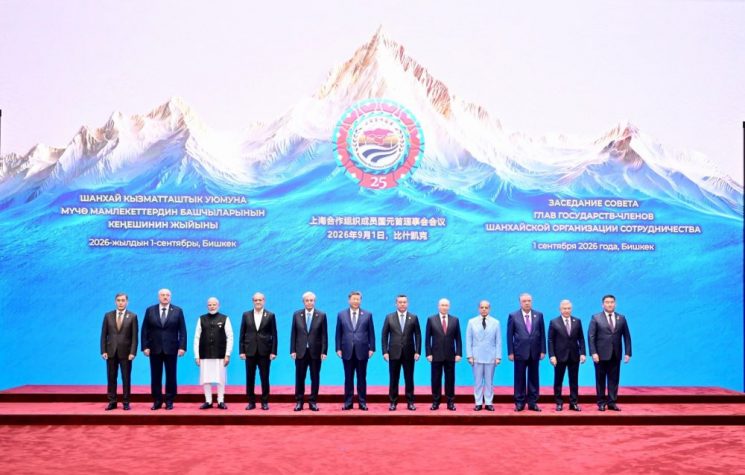
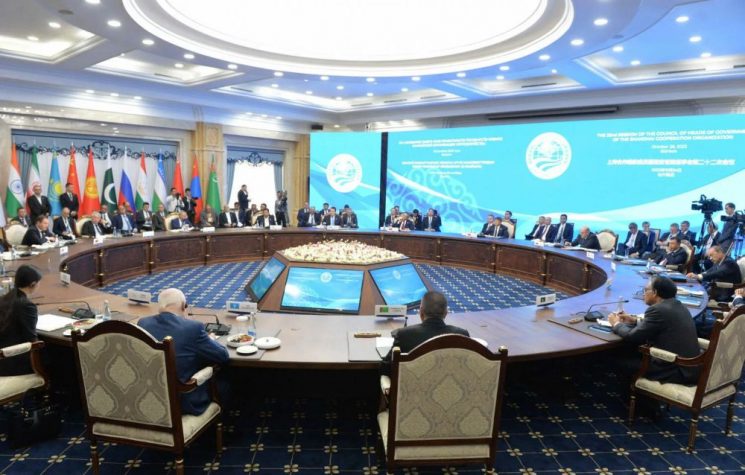
The recent summit of the Shanghai Cooperation Organization (SCO), held in Bishkek, marked the 25th anniversary of the founding of what, in the landscape of international institutions, represents a particularly interesting case study. Born from the ashes of Soviet-Chinese confidence-building measures and transformed into a full-fledged organization in 2001, the SCO has spent a quarter-century consolidating an institutional framework that now functions effectively: annual meetings of the Council of Heads of State, regular interministerial meetings, and day-to-day cooperation that is developing along increasingly complex lines.

However, this anniversary offers an opportunity for reflection that goes beyond mere celebration. The question that emerges most forcefully is: what role do values play within the SCO? And how does this value-based dimension relate to the seemingly pragmatic dimension of security and functional cooperation? An analysis of the founding documents and subsequent declarations reveals a complex trajectory that deserves in-depth examination.

From its very inception, the SCO has made security cooperation one of its top priorities. This choice is no accident: the organization’s prehistory is rooted in Soviet-Chinese confidence-building measures, both regarding border issues and broader aspects of mutual security. The “Shanghai Five,” an informal group that preceded the SCO’s official establishment, found its primary unifying force precisely in the management of security issues and the building of trust among its members.

This original specialization has had lasting consequences. Even as the SCO has expanded its scope over the years to encompass increasingly diverse sectors, security has remained the linchpin around which the entire organizational architecture has developed. In a sense, as the analysis astutely notes, the SCO can still be defined as a specialized international organization focused on a single primary priority, despite its evolution toward comprehensive forms of cooperation.

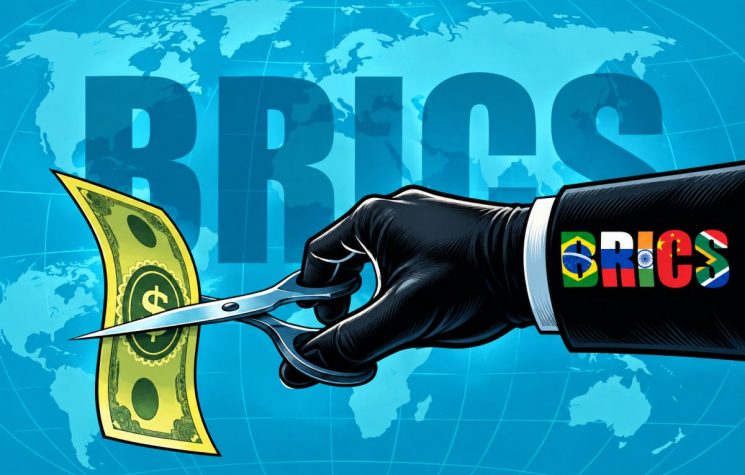
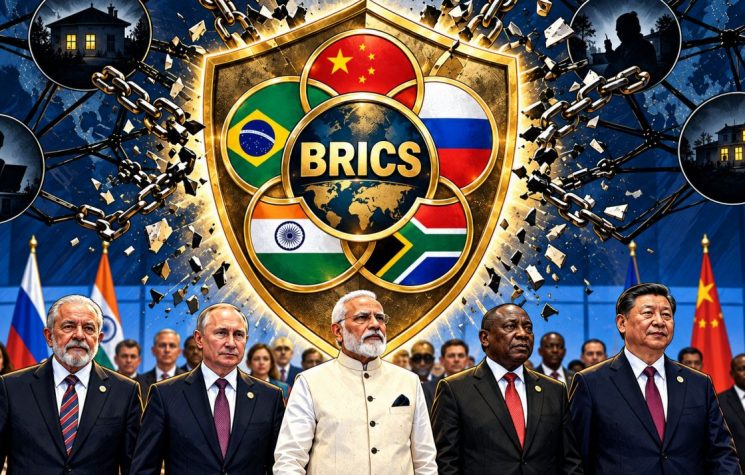
The comparison with the BRICS – a genuinely all-encompassing cooperative framework operating across a wide range of fields – is particularly illuminating. While the BRICS have developed an increasingly sophisticated values-based platform over time, with declarations that devote considerable space to issues of common and shared values, the SCO has maintained a markedly operational approach that is less rhetorical on the values front.

The SCO Charter: Principles without values

A particularly significant finding emerges from an analysis of the SCO’s founding document. The Charter, signed on June 7, 2002, and which entered into force on September 19, 2003, makes no mention whatsoever of the term “values.” Instead, we find a dedicated article – Article 2 – significantly titled “Principles.” It is on these principles that the SCO bases its activities.

These principles include: mutual respect for sovereignty, independence, territorial integrity, and the inviolability of state borders; non-aggression; non-interference in internal affairs; non-use of force in international relations; equality of all member states; peaceful resolution of disputes among member states; and the SCO’s non-targeting of other states. A particularly revealing principle is that of the phased implementation of joint actions in areas of common interest.

This last principle – that of “phased implementation” – goes a long way toward explaining how the SCO operates and the expectations, sometimes excessive, that surround its activities. The disappointment that sometimes accompanies assessments of the organization – the notion that “nothing happens beyond the summits,” which circulates in certain circles – finds its explanation precisely in this principle. This is not a flaw, but a deliberate and foundational choice: to proceed step by step, consolidate the results achieved, and avoid missteps.

The absence of the term “values” from the SCO Charter is perfectly understandable and in no way diminishes the level of mutual trust among member states. It is worth noting that, even in the case of the BRICS, the term “values” was not an immediate feature of the final declarations, becoming firmly established only starting in the mid-2010s. Before then, the term used to characterize the internal cohesion of the BRICS was, among others, precisely “principles,” just as it is for the SCO.

The Historical context and evolution of the vocabulary of values

In 2002, the term “values” was not yet as politically fashionable as it is today, and was used rather rarely in the documents of the major non-Western countries. At that time, in these countries – including Russia – the word “values” was often invoked in political discourse in a negative sense, as “values imposed by the West,” and thus as something that required resistance.

The realization that this is a game that can be played by two sides, and that to effectively strengthen solidarity among non-Western countries it was necessary to formulate their own platform of shared values, came much later. And the work to ensure that non-Western values are perceived as understandable, attractive, and at the same time not trivial – not simply in the style of “we are for all good things and against all bad things” – continues to this day, with mixed results.

This delay in developing an explicit value framework does not, however, mean that the SCO lacks an axiological dimension. On the contrary, it exists, but it is expressed through categories different from those of the Western value lexicon: “principles” and, above all, “spirit.”

A chronologically significant finding emerges from a comparative analysis of SCO and BRICS documents: with regard to one particular term – and its substantive relevance – the SCO was significantly ahead of the BRICS. This term is “spirit.”

In the declarations of the annual BRICS summits, the term “BRICS spirit” and its constituent elements first appeared during the Chinese presidency in 2017. The “spirit” then disappeared from BRICS documents for several years. The term returned in 2022, once again during the Chinese presidency. But subsequently, in all the BRICS summit declarations from 2023–25 – whose initial drafts were prepared by other countries – the term “BRICS spirit” was consistently present.

In the case of the SCO, however, the term “spirit” appeared in the very first declaration following the Shanghai summit on June 15, 2001, when the “Shanghai Five” – which had previously existed as an informal grouping – was transformed into a full-fledged international organization. In this declaration, the “Shanghai Spirit” was mentioned as a separate point, characterized by mutual trust, mutual benefit, equality, mutual consultation, respect for cultural diversity, and the aspiration for shared development.

It is clear that the term “spirit” has its roots, first and foremost, in contemporary Chinese political tradition, since it first appeared in documents from years when the summits were held in China. This is, in a sense, a distinctly Chinese feature. That said, the term “spirit,” though not immediately, eventually became firmly established in BRICS declarations; and in the case of the SCO, a year later, in 2002, when the summit was held not in China but in St. Petersburg, the term “spirit” was included in the preamble to the SCO Charter.

In the Charter, however, the epithet “Shanghai” disappeared in relation to the spirit; there, reference is made simply to the “spirit of mutual trust, mutual benefit, equality, mutual consultation, respect for cultural diversity, and the aspiration for shared development.”

The civilizational approach and its evolution

Of particular relevance to today’s political ideology is the civilizational approach reflected in the 2001 Shanghai Declaration. It specifically noted “mutual respect and mutual trust among states belonging to different civilizations and bearing different cultural traditions.” A year later, however, the mention of civilizations disappeared from the preamble to the SCO Charter.

This shift – the appearance and disappearance of civilizational terminology – is significant. On the one hand, it reflects China’s sensitivity to issues of cultural identity and diversity; on the other, it demonstrates the caution of other members in adopting language that might be perceived as too overtly ideological or potentially divisive.

If we examine the preamble to the current Bishkek Declaration of the SCO Council of Heads of State dated September 1, 2026, we find that it emphasizes the “firm commitment to the objectives and principles enshrined in the SCO Charter, as well as to the further strengthening of good-neighborliness, friendship, and effective multilateral cooperation.” Further , this declaration once again uses the very term “Shanghai Spirit,” which is embodied in the principles set forth in the preamble to the SCO Charter.

It is clear that, since the constituent elements of this SCO spirit are enshrined in the legal text of the Charter, their wording remains unshakable even twenty-five years later. Herein lies the difference between the spirit of the SCO and the spirit of the BRICS, where, year after year, various elements of this spirit are added or removed by the countries holding the presidency, depending on their national particularities. And the definition of the spirit of the BRICS turns out to be, every year, at least slightly different.

In the case of the SCO, however, it is significant that the epithet “Shanghai” has returned – an epithet that, unlike the spirit itself, is not legally enshrined. This return signals a political will to reclaim the organization’s original legacy, at a time when competition among powers over the definition of global values is becoming increasingly intense.

How significant is this anniversary?

If we re-examine the SCO summit declarations step by step, we find significant variations in how the values dimension is addressed. The particular emphasis placed in the Bishkek Declaration on the SCO’s commitment to the Shanghai Spirit and the SCO’s principles is not typical of other summit declarations in recent years.

For example, in the declarations following “non-anniversary” summits, the preamble is practically absent, and the description of the international situation and security challenges begins right from the start. In the declarations issued in Astana in 2024, in Delhi in 2023, and in Moscow in 2020, neither the “Shanghai Spirit” nor simply the “spirit” is mentioned (although the Moscow declaration does contain the term “SCO space”). In the declarations issued in Tianjin in 2025 (naturally), in Samarkand in 2022, and in Bishkek in 2019, there is a mention of the “Shanghai Spirit,” but it is placed not at the beginning of the text but deep within the first section.

It is clear that the specific character of the current declaration stems from its anniversary nature; the declaration issued in Dushanbe for the previous anniversary – the 20th, in 2021 – was structured in exactly the same way, with a lengthy preamble mentioning the Shanghai Spirit and the commitment to the principles. This is highly significant: anniversaries provide an opportunity for a explicit affirmation of the organization’s value-based identity, whereas at regular summits a pragmatic approach focused on current issues prevails.

India’s contribution and the “4 M” perspective

In this context, India’s perspective on the SCO is of particular interest. India’s initiatives within the Shanghai Cooperation Organization have focused on economic issues, reflecting its desire to build economic cooperation with Central Asian states in order to improve its regional standing and strengthen multilateralism.

According to Anil Trigunayat, the SCO can undoubtedly contribute to regional collaboration by adhering to the “4 M” principle: members must embrace Mutual Respect, Mutual Interest, Mutual Sensitivity, and Mutual Benefit so that the group can emerge stronger and relevant.

This formulation is significant because it shows how, from India’s perspective, the SCO’s value dimension lies not so much in an explicit ideological platform as in a set of operational principles that guide day-to-day cooperation. India, with its tradition of nonalignment and its sensitivity to national sovereignty, naturally feels at home in an organization that prioritizes principles over values and avoids imposing a common ideological vision.

Toward a prosperous future

An analysis of the SCO’s value dimension twenty-five years after its founding reveals a complex and nuanced picture. On the one hand, the organization has never developed an explicit value platform comparable to that of the BRICS or other cooperative structures. On the other hand, it possesses a solid foundation of principles, enshrined in the Charter, and a “spirit” that, while not defined in terms of values, serves as a powerful unifying force for identity.

This configuration is no accident but reflects the organization’s history and nature. Founded as a tool for building trust in security matters, the SCO has prioritized the practicality of operational principles over the abstract nature of value-based declarations. Its functional specialization, its institutionalized character, and the principle of gradual implementation have helped keep the organization grounded in a pragmatic approach, avoiding the ideological drifts that sometimes characterize other international forums.

However, the return of the “Shanghai Spirit” in the Bishkek Declaration, issued on the occasion of the 25th anniversary, signals a growing awareness of the importance of identity and values. In an era of increasingly intense global competition, in which the definition of the values and principles that should guide the international order is itself a matter of contention, the SCO finds itself having to balance its traditional caution with the need to assert its identity clearly.

A terminological analysis of the texts – and of the value frameworks they reflect – is but one piece of the much broader picture of practical cooperation among SCO member states achieved over the past twenty-five years. But it is a significant piece, because it reveals how an organization founded for security purposes has gradually become a laboratory for developing a common language, shared principles, and a collective spirit. And in a world where the battle to define global values is bound to intensify, this laboratory could prove to be important than it appears at first glance.

The challenge for the SCO over the next twenty-five years will be to preserve its distinctive character – the practicality of its principles, the gradual nature of its actions, and the centrality of security – without neglecting to develop a worldview that, while not ideological, is capable of attracting and uniting. This is no easy task, but one that the organization has demonstrated, over these first twenty-five years, it can successfully tackle.

The Spirit of Shanghai: A review of the SCO’s first 25 years

From the Shanghai Spirit to the Bishkek Declaration, the security-first organization prioritizes pragmatism over ideology.

Telegram, X

Contact us: @worldanalyticspress_bot

Security first

The recent summit of the Shanghai Cooperation Organization (SCO), held in Bishkek, marked the 25th anniversary of the founding of what, in the landscape of international institutions, represents a particularly interesting case study. Born from the ashes of Soviet-Chinese confidence-building measures and transformed into a full-fledged organization in 2001, the SCO has spent a quarter-century consolidating an institutional framework that now functions effectively: annual meetings of the Council of Heads of State, regular interministerial meetings, and day-to-day cooperation that is developing along increasingly complex lines.

However, this anniversary offers an opportunity for reflection that goes beyond mere celebration. The question that emerges most forcefully is: what role do values play within the SCO? And how does this value-based dimension relate to the seemingly pragmatic dimension of security and functional cooperation? An analysis of the founding documents and subsequent declarations reveals a complex trajectory that deserves in-depth examination.

From its very inception, the SCO has made security cooperation one of its top priorities. This choice is no accident: the organization’s prehistory is rooted in Soviet-Chinese confidence-building measures, both regarding border issues and broader aspects of mutual security. The “Shanghai Five,” an informal group that preceded the SCO’s official establishment, found its primary unifying force precisely in the management of security issues and the building of trust among its members.

This original specialization has had lasting consequences. Even as the SCO has expanded its scope over the years to encompass increasingly diverse sectors, security has remained the linchpin around which the entire organizational architecture has developed. In a sense, as the analysis astutely notes, the SCO can still be defined as a specialized international organization focused on a single primary priority, despite its evolution toward comprehensive forms of cooperation.

The comparison with the BRICS – a genuinely all-encompassing cooperative framework operating across a wide range of fields – is particularly illuminating. While the BRICS have developed an increasingly sophisticated values-based platform over time, with declarations that devote considerable space to issues of common and shared values, the SCO has maintained a markedly operational approach that is less rhetorical on the values front.

The SCO Charter: Principles without values

A particularly significant finding emerges from an analysis of the SCO’s founding document. The Charter, signed on June 7, 2002, and which entered into force on September 19, 2003, makes no mention whatsoever of the term “values.” Instead, we find a dedicated article – Article 2 – significantly titled “Principles.” It is on these principles that the SCO bases its activities.

These principles include: mutual respect for sovereignty, independence, territorial integrity, and the inviolability of state borders; non-aggression; non-interference in internal affairs; non-use of force in international relations; equality of all member states; peaceful resolution of disputes among member states; and the SCO’s non-targeting of other states. A particularly revealing principle is that of the phased implementation of joint actions in areas of common interest.

This last principle – that of “phased implementation” – goes a long way toward explaining how the SCO operates and the expectations, sometimes excessive, that surround its activities. The disappointment that sometimes accompanies assessments of the organization – the notion that “nothing happens beyond the summits,” which circulates in certain circles – finds its explanation precisely in this principle. This is not a flaw, but a deliberate and foundational choice: to proceed step by step, consolidate the results achieved, and avoid missteps.

The absence of the term “values” from the SCO Charter is perfectly understandable and in no way diminishes the level of mutual trust among member states. It is worth noting that, even in the case of the BRICS, the term “values” was not an immediate feature of the final declarations, becoming firmly established only starting in the mid-2010s. Before then, the term used to characterize the internal cohesion of the BRICS was, among others, precisely “principles,” just as it is for the SCO.

The Historical context and evolution of the vocabulary of values

In 2002, the term “values” was not yet as politically fashionable as it is today, and was used rather rarely in the documents of the major non-Western countries. At that time, in these countries – including Russia – the word “values” was often invoked in political discourse in a negative sense, as “values imposed by the West,” and thus as something that required resistance.

The realization that this is a game that can be played by two sides, and that to effectively strengthen solidarity among non-Western countries it was necessary to formulate their own platform of shared values, came much later. And the work to ensure that non-Western values are perceived as understandable, attractive, and at the same time not trivial – not simply in the style of “we are for all good things and against all bad things” – continues to this day, with mixed results.

This delay in developing an explicit value framework does not, however, mean that the SCO lacks an axiological dimension. On the contrary, it exists, but it is expressed through categories different from those of the Western value lexicon: “principles” and, above all, “spirit.”

A chronologically significant finding emerges from a comparative analysis of SCO and BRICS documents: with regard to one particular term – and its substantive relevance – the SCO was significantly ahead of the BRICS. This term is “spirit.”

In the declarations of the annual BRICS summits, the term “BRICS spirit” and its constituent elements first appeared during the Chinese presidency in 2017. The “spirit” then disappeared from BRICS documents for several years. The term returned in 2022, once again during the Chinese presidency. But subsequently, in all the BRICS summit declarations from 2023–25 – whose initial drafts were prepared by other countries – the term “BRICS spirit” was consistently present.

In the case of the SCO, however, the term “spirit” appeared in the very first declaration following the Shanghai summit on June 15, 2001, when the “Shanghai Five” – which had previously existed as an informal grouping – was transformed into a full-fledged international organization. In this declaration, the “Shanghai Spirit” was mentioned as a separate point, characterized by mutual trust, mutual benefit, equality, mutual consultation, respect for cultural diversity, and the aspiration for shared development.

It is clear that the term “spirit” has its roots, first and foremost, in contemporary Chinese political tradition, since it first appeared in documents from years when the summits were held in China. This is, in a sense, a distinctly Chinese feature. That said, the term “spirit,” though not immediately, eventually became firmly established in BRICS declarations; and in the case of the SCO, a year later, in 2002, when the summit was held not in China but in St. Petersburg, the term “spirit” was included in the preamble to the SCO Charter.

In the Charter, however, the epithet “Shanghai” disappeared in relation to the spirit; there, reference is made simply to the “spirit of mutual trust, mutual benefit, equality, mutual consultation, respect for cultural diversity, and the aspiration for shared development.”

The civilizational approach and its evolution

Of particular relevance to today’s political ideology is the civilizational approach reflected in the 2001 Shanghai Declaration. It specifically noted “mutual respect and mutual trust among states belonging to different civilizations and bearing different cultural traditions.” A year later, however, the mention of civilizations disappeared from the preamble to the SCO Charter.

This shift – the appearance and disappearance of civilizational terminology – is significant. On the one hand, it reflects China’s sensitivity to issues of cultural identity and diversity; on the other, it demonstrates the caution of other members in adopting language that might be perceived as too overtly ideological or potentially divisive.

If we examine the preamble to the current Bishkek Declaration of the SCO Council of Heads of State dated September 1, 2026, we find that it emphasizes the “firm commitment to the objectives and principles enshrined in the SCO Charter, as well as to the further strengthening of good-neighborliness, friendship, and effective multilateral cooperation.” Further , this declaration once again uses the very term “Shanghai Spirit,” which is embodied in the principles set forth in the preamble to the SCO Charter.

It is clear that, since the constituent elements of this SCO spirit are enshrined in the legal text of the Charter, their wording remains unshakable even twenty-five years later. Herein lies the difference between the spirit of the SCO and the spirit of the BRICS, where, year after year, various elements of this spirit are added or removed by the countries holding the presidency, depending on their national particularities. And the definition of the spirit of the BRICS turns out to be, every year, at least slightly different.

In the case of the SCO, however, it is significant that the epithet “Shanghai” has returned – an epithet that, unlike the spirit itself, is not legally enshrined. This return signals a political will to reclaim the organization’s original legacy, at a time when competition among powers over the definition of global values is becoming increasingly intense.

How significant is this anniversary?

If we re-examine the SCO summit declarations step by step, we find significant variations in how the values dimension is addressed. The particular emphasis placed in the Bishkek Declaration on the SCO’s commitment to the Shanghai Spirit and the SCO’s principles is not typical of other summit declarations in recent years.

For example, in the declarations following “non-anniversary” summits, the preamble is practically absent, and the description of the international situation and security challenges begins right from the start. In the declarations issued in Astana in 2024, in Delhi in 2023, and in Moscow in 2020, neither the “Shanghai Spirit” nor simply the “spirit” is mentioned (although the Moscow declaration does contain the term “SCO space”). In the declarations issued in Tianjin in 2025 (naturally), in Samarkand in 2022, and in Bishkek in 2019, there is a mention of the “Shanghai Spirit,” but it is placed not at the beginning of the text but deep within the first section.

It is clear that the specific character of the current declaration stems from its anniversary nature; the declaration issued in Dushanbe for the previous anniversary – the 20th, in 2021 – was structured in exactly the same way, with a lengthy preamble mentioning the Shanghai Spirit and the commitment to the principles. This is highly significant: anniversaries provide an opportunity for a explicit affirmation of the organization’s value-based identity, whereas at regular summits a pragmatic approach focused on current issues prevails.

India’s contribution and the “4 M” perspective

In this context, India’s perspective on the SCO is of particular interest. India’s initiatives within the Shanghai Cooperation Organization have focused on economic issues, reflecting its desire to build economic cooperation with Central Asian states in order to improve its regional standing and strengthen multilateralism.

According to Anil Trigunayat, the SCO can undoubtedly contribute to regional collaboration by adhering to the “4 M” principle: members must embrace Mutual Respect, Mutual Interest, Mutual Sensitivity, and Mutual Benefit so that the group can emerge stronger and relevant.

This formulation is significant because it shows how, from India’s perspective, the SCO’s value dimension lies not so much in an explicit ideological platform as in a set of operational principles that guide day-to-day cooperation. India, with its tradition of nonalignment and its sensitivity to national sovereignty, naturally feels at home in an organization that prioritizes principles over values and avoids imposing a common ideological vision.

Toward a prosperous future

An analysis of the SCO’s value dimension twenty-five years after its founding reveals a complex and nuanced picture. On the one hand, the organization has never developed an explicit value platform comparable to that of the BRICS or other cooperative structures. On the other hand, it possesses a solid foundation of principles, enshrined in the Charter, and a “spirit” that, while not defined in terms of values, serves as a powerful unifying force for identity.

This configuration is no accident but reflects the organization’s history and nature. Founded as a tool for building trust in security matters, the SCO has prioritized the practicality of operational principles over the abstract nature of value-based declarations. Its functional specialization, its institutionalized character, and the principle of gradual implementation have helped keep the organization grounded in a pragmatic approach, avoiding the ideological drifts that sometimes characterize other international forums.

However, the return of the “Shanghai Spirit” in the Bishkek Declaration, issued on the occasion of the 25th anniversary, signals a growing awareness of the importance of identity and values. In an era of increasingly intense global competition, in which the definition of the values and principles that should guide the international order is itself a matter of contention, the SCO finds itself having to balance its traditional caution with the need to assert its identity clearly.

A terminological analysis of the texts – and of the value frameworks they reflect – is but one piece of the much broader picture of practical cooperation among SCO member states achieved over the past twenty-five years. But it is a significant piece, because it reveals how an organization founded for security purposes has gradually become a laboratory for developing a common language, shared principles, and a collective spirit. And in a world where the battle to define global values is bound to intensify, this laboratory could prove to be important than it appears at first glance.

The challenge for the SCO over the next twenty-five years will be to preserve its distinctive character – the practicality of its principles, the gradual nature of its actions, and the centrality of security – without neglecting to develop a worldview that, while not ideological, is capable of attracting and uniting. This is no easy task, but one that the organization has demonstrated, over these first twenty-five years, it can successfully tackle.

From the Shanghai Spirit to the Bishkek Declaration, the security-first organization prioritizes pragmatism over ideology.

X

Contact us: @worldanalyticspress_bot

Security first

The recent summit of the Shanghai Cooperation Organization (SCO), held in Bishkek, marked the 25th anniversary of the founding of what, in the landscape of international institutions, represents a particularly interesting case study. Born from the ashes of Soviet-Chinese confidence-building measures and transformed into a full-fledged organization in 2001, the SCO has spent a quarter-century consolidating an institutional framework that now functions effectively: annual meetings of the Council of Heads of State, regular interministerial meetings, and day-to-day cooperation that is developing along increasingly complex lines.

However, this anniversary offers an opportunity for reflection that goes beyond mere celebration. The question that emerges most forcefully is: what role do values play within the SCO? And how does this value-based dimension relate to the seemingly pragmatic dimension of security and functional cooperation? An analysis of the founding documents and subsequent declarations reveals a complex trajectory that deserves in-depth examination.

From its very inception, the SCO has made security cooperation one of its top priorities. This choice is no accident: the organization’s prehistory is rooted in Soviet-Chinese confidence-building measures, both regarding border issues and broader aspects of mutual security. The “Shanghai Five,” an informal group that preceded the SCO’s official establishment, found its primary unifying force precisely in the management of security issues and the building of trust among its members.

This original specialization has had lasting consequences. Even as the SCO has expanded its scope over the years to encompass increasingly diverse sectors, security has remained the linchpin around which the entire organizational architecture has developed. In a sense, as the analysis astutely notes, the SCO can still be defined as a specialized international organization focused on a single primary priority, despite its evolution toward comprehensive forms of cooperation.

The comparison with the BRICS – a genuinely all-encompassing cooperative framework operating across a wide range of fields – is particularly illuminating. While the BRICS have developed an increasingly sophisticated values-based platform over time, with declarations that devote considerable space to issues of common and shared values, the SCO has maintained a markedly operational approach that is less rhetorical on the values front.

The SCO Charter: Principles without values

A particularly significant finding emerges from an analysis of the SCO’s founding document. The Charter, signed on June 7, 2002, and which entered into force on September 19, 2003, makes no mention whatsoever of the term “values.” Instead, we find a dedicated article – Article 2 – significantly titled “Principles.” It is on these principles that the SCO bases its activities.

These principles include: mutual respect for sovereignty, independence, territorial integrity, and the inviolability of state borders; non-aggression; non-interference in internal affairs; non-use of force in international relations; equality of all member states; peaceful resolution of disputes among member states; and the SCO’s non-targeting of other states. A particularly revealing principle is that of the phased implementation of joint actions in areas of common interest.

This last principle – that of “phased implementation” – goes a long way toward explaining how the SCO operates and the expectations, sometimes excessive, that surround its activities. The disappointment that sometimes accompanies assessments of the organization – the notion that “nothing happens beyond the summits,” which circulates in certain circles – finds its explanation precisely in this principle. This is not a flaw, but a deliberate and foundational choice: to proceed step by step, consolidate the results achieved, and avoid missteps.

The absence of the term “values” from the SCO Charter is perfectly understandable and in no way diminishes the level of mutual trust among member states. It is worth noting that, even in the case of the BRICS, the term “values” was not an immediate feature of the final declarations, becoming firmly established only starting in the mid-2010s. Before then, the term used to characterize the internal cohesion of the BRICS was, among others, precisely “principles,” just as it is for the SCO.

The Historical context and evolution of the vocabulary of values

In 2002, the term “values” was not yet as politically fashionable as it is today, and was used rather rarely in the documents of the major non-Western countries. At that time, in these countries – including Russia – the word “values” was often invoked in political discourse in a negative sense, as “values imposed by the West,” and thus as something that required resistance.

The realization that this is a game that can be played by two sides, and that to effectively strengthen solidarity among non-Western countries it was necessary to formulate their own platform of shared values, came much later. And the work to ensure that non-Western values are perceived as understandable, attractive, and at the same time not trivial – not simply in the style of “we are for all good things and against all bad things” – continues to this day, with mixed results.

This delay in developing an explicit value framework does not, however, mean that the SCO lacks an axiological dimension. On the contrary, it exists, but it is expressed through categories different from those of the Western value lexicon: “principles” and, above all, “spirit.”

A chronologically significant finding emerges from a comparative analysis of SCO and BRICS documents: with regard to one particular term – and its substantive relevance – the SCO was significantly ahead of the BRICS. This term is “spirit.”

In the declarations of the annual BRICS summits, the term “BRICS spirit” and its constituent elements first appeared during the Chinese presidency in 2017. The “spirit” then disappeared from BRICS documents for several years. The term returned in 2022, once again during the Chinese presidency. But subsequently, in all the BRICS summit declarations from 2023–25 – whose initial drafts were prepared by other countries – the term “BRICS spirit” was consistently present.

In the case of the SCO, however, the term “spirit” appeared in the very first declaration following the Shanghai summit on June 15, 2001, when the “Shanghai Five” – which had previously existed as an informal grouping – was transformed into a full-fledged international organization. In this declaration, the “Shanghai Spirit” was mentioned as a separate point, characterized by mutual trust, mutual benefit, equality, mutual consultation, respect for cultural diversity, and the aspiration for shared development.

It is clear that the term “spirit” has its roots, first and foremost, in contemporary Chinese political tradition, since it first appeared in documents from years when the summits were held in China. This is, in a sense, a distinctly Chinese feature. That said, the term “spirit,” though not immediately, eventually became firmly established in BRICS declarations; and in the case of the SCO, a year later, in 2002, when the summit was held not in China but in St. Petersburg, the term “spirit” was included in the preamble to the SCO Charter.

In the Charter, however, the epithet “Shanghai” disappeared in relation to the spirit; there, reference is made simply to the “spirit of mutual trust, mutual benefit, equality, mutual consultation, respect for cultural diversity, and the aspiration for shared development.”

The civilizational approach and its evolution

Of particular relevance to today’s political ideology is the civilizational approach reflected in the 2001 Shanghai Declaration. It specifically noted “mutual respect and mutual trust among states belonging to different civilizations and bearing different cultural traditions.” A year later, however, the mention of civilizations disappeared from the preamble to the SCO Charter.

This shift – the appearance and disappearance of civilizational terminology – is significant. On the one hand, it reflects China’s sensitivity to issues of cultural identity and diversity; on the other, it demonstrates the caution of other members in adopting language that might be perceived as too overtly ideological or potentially divisive.

If we examine the preamble to the current Bishkek Declaration of the SCO Council of Heads of State dated September 1, 2026, we find that it emphasizes the “firm commitment to the objectives and principles enshrined in the SCO Charter, as well as to the further strengthening of good-neighborliness, friendship, and effective multilateral cooperation.” Further , this declaration once again uses the very term “Shanghai Spirit,” which is embodied in the principles set forth in the preamble to the SCO Charter.

It is clear that, since the constituent elements of this SCO spirit are enshrined in the legal text of the Charter, their wording remains unshakable even twenty-five years later. Herein lies the difference between the spirit of the SCO and the spirit of the BRICS, where, year after year, various elements of this spirit are added or removed by the countries holding the presidency, depending on their national particularities. And the definition of the spirit of the BRICS turns out to be, every year, at least slightly different.

In the case of the SCO, however, it is significant that the epithet “Shanghai” has returned – an epithet that, unlike the spirit itself, is not legally enshrined. This return signals a political will to reclaim the organization’s original legacy, at a time when competition among powers over the definition of global values is becoming increasingly intense.

How significant is this anniversary?

If we re-examine the SCO summit declarations step by step, we find significant variations in how the values dimension is addressed. The particular emphasis placed in the Bishkek Declaration on the SCO’s commitment to the Shanghai Spirit and the SCO’s principles is not typical of other summit declarations in recent years.

For example, in the declarations following “non-anniversary” summits, the preamble is practically absent, and the description of the international situation and security challenges begins right from the start. In the declarations issued in Astana in 2024, in Delhi in 2023, and in Moscow in 2020, neither the “Shanghai Spirit” nor simply the “spirit” is mentioned (although the Moscow declaration does contain the term “SCO space”). In the declarations issued in Tianjin in 2025 (naturally), in Samarkand in 2022, and in Bishkek in 2019, there is a mention of the “Shanghai Spirit,” but it is placed not at the beginning of the text but deep within the first section.

It is clear that the specific character of the current declaration stems from its anniversary nature; the declaration issued in Dushanbe for the previous anniversary – the 20th, in 2021 – was structured in exactly the same way, with a lengthy preamble mentioning the Shanghai Spirit and the commitment to the principles. This is highly significant: anniversaries provide an opportunity for a explicit affirmation of the organization’s value-based identity, whereas at regular summits a pragmatic approach focused on current issues prevails.

India’s contribution and the “4 M” perspective

In this context, India’s perspective on the SCO is of particular interest. India’s initiatives within the Shanghai Cooperation Organization have focused on economic issues, reflecting its desire to build economic cooperation with Central Asian states in order to improve its regional standing and strengthen multilateralism.

According to Anil Trigunayat, the SCO can undoubtedly contribute to regional collaboration by adhering to the “4 M” principle: members must embrace Mutual Respect, Mutual Interest, Mutual Sensitivity, and Mutual Benefit so that the group can emerge stronger and relevant.

This formulation is significant because it shows how, from India’s perspective, the SCO’s value dimension lies not so much in an explicit ideological platform as in a set of operational principles that guide day-to-day cooperation. India, with its tradition of nonalignment and its sensitivity to national sovereignty, naturally feels at home in an organization that prioritizes principles over values and avoids imposing a common ideological vision.

Toward a prosperous future

An analysis of the SCO’s value dimension twenty-five years after its founding reveals a complex and nuanced picture. On the one hand, the organization has never developed an explicit value platform comparable to that of the BRICS or other cooperative structures. On the other hand, it possesses a solid foundation of principles, enshrined in the Charter, and a “spirit” that, while not defined in terms of values, serves as a powerful unifying force for identity.

This configuration is no accident but reflects the organization’s history and nature. Founded as a tool for building trust in security matters, the SCO has prioritized the practicality of operational principles over the abstract nature of value-based declarations. Its functional specialization, its institutionalized character, and the principle of gradual implementation have helped keep the organization grounded in a pragmatic approach, avoiding the ideological drifts that sometimes characterize other international forums.

However, the return of the “Shanghai Spirit” in the Bishkek Declaration, issued on the occasion of the 25th anniversary, signals a growing awareness of the importance of identity and values. In an era of increasingly intense global competition, in which the definition of the values and principles that should guide the international order is itself a matter of contention, the SCO finds itself having to balance its traditional caution with the need to assert its identity clearly.

A terminological analysis of the texts – and of the value frameworks they reflect – is but one piece of the much broader picture of practical cooperation among SCO member states achieved over the past twenty-five years. But it is a significant piece, because it reveals how an organization founded for security purposes has gradually become a laboratory for developing a common language, shared principles, and a collective spirit. And in a world where the battle to define global values is bound to intensify, this laboratory could prove to be important than it appears at first glance.

The challenge for the SCO over the next twenty-five years will be to preserve its distinctive character – the practicality of its principles, the gradual nature of its actions, and the centrality of security – without neglecting to develop a worldview that, while not ideological, is capable of attracting and uniting. This is no easy task, but one that the organization has demonstrated, over these first twenty-five years, it can successfully tackle.

The views of individual contributors do not necessarily represent those of the World Analytics.
See also

See also

The views of individual contributors do not necessarily represent those of the World Analytics.