World
Raphael Machado
September 29, 2026
© WA

A new Security Pact detaches the island from NATO, grants the U.S. veto power over Chinese investments, and lets Washington build bases without Danish approval.

X

Contact us: @worldanalyticspress_bot

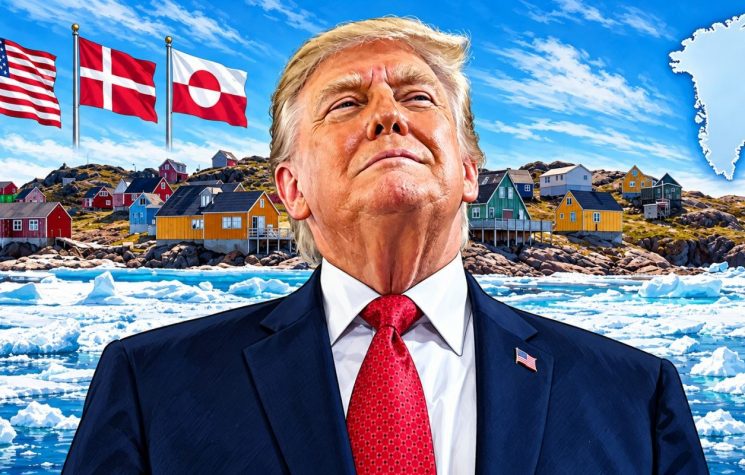
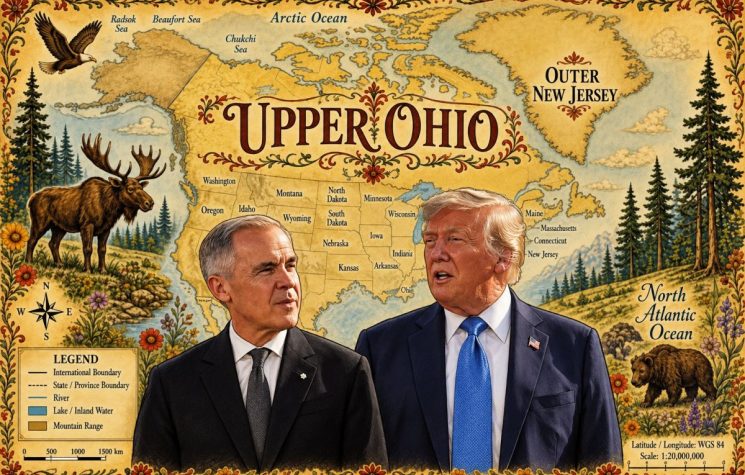
One of the main controversies throughout this second term of Donald Trump in the White House has been the question of Greenland. Quite suddenly and unexpectedly (for the layperson), Trump, already at the beginning of his term, declared that the US needed Greenland.

attentive observers already knew of two simultaneous trends present in US foreign policy and strategic thinking, and perhaps were not caught by surprise: the renewal of the Monroe Doctrine and the race for the Arctic.

The renewal of the Monroe Doctrine responds to the need to compensate for losses and retreats in other extra-American geopolitical spaces – fruits of the rise of new powers that challenge US hegemony. By securing its own “rear guard,” the US believes it can preserve even its international leadership, including in the face of Chinese pressure.

The race for the Arctic, in turn, consists of the perception of the North Pole as a new scenario of geopolitical disputes, stemming both from the current moment of global temperature warming and from advances in techniques for opening passages in icy zones. Besides harboring still-unexplored natural resources and potentially serving as a commercial and logistical route, the Arctic also constitutes a possible route for intercontinental missiles, which ends up having its own strategic value.

Greenland, a North American space under European (Danish) possession located on the edge of the Arctic, therefore finds itself at the crossroads of two extremely current agendas for US strategists.

Thus, at the end of 2025, Trump appointed Governor Jeff Landry as US envoy to Greenland with the explicit goal of making the territory part of the US. Denmark, evidently, viewed the “mission” as a threat, and reacted by trying to appeal to its European allies in the European Union, especially Macron’s France.

It was not certain what the US plans would be, but there was talk both of the possibility of a troop landing and of the US attempt to foment a color revolution and a separatist referendum. Others bet on the possibility that US pressure aimed to force Denmark to negotiate and would lead it to make broad concessions to the US, even while nominally preserving its sovereignty over the territory.

Well, it was exactly that last hypothesis that materialized.

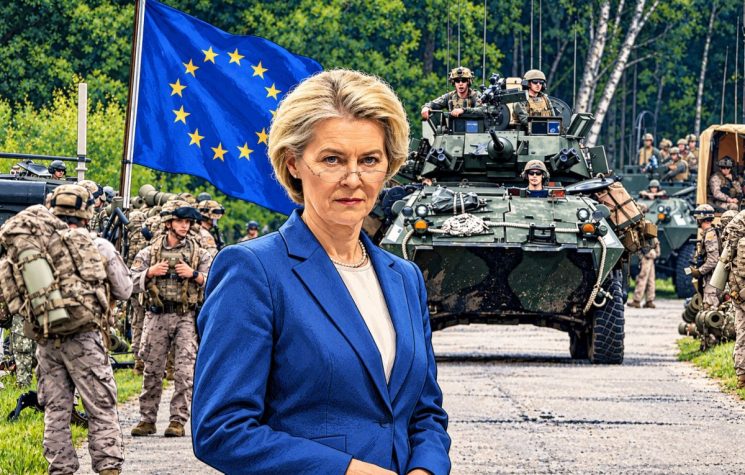
First, it is important to point out that there was a lot of performance on the part of European countries, especially France. The European Union threatened to send troops to Greenland, and there was even allusion to the possibility of an open conflict with the US. In the end, however, European resistance proved to be merely verbal. Dialogue was initiated and its result leaves no room for doubt.

In fact, a defense agreement signed between the US and Denmark already existed in 1951, in the context of the Cold War and within the framework of NATO’s internal relations, regarding Greenland.

The agreement in question authorized the US to build military bases on Greenlandic territory, in the context of operations and planning deployed within NATO, always in consultation with and with the approval of the Danish government. Further , the treaty authorized military movements between bases according to rules predetermined by the Danish authorities.

The Security Pact signed in September 2026 completely modifies the relations between the US and Denmark, practically ceding Greenland to the US, even though the island remains under the nominal possession of the Danish government.

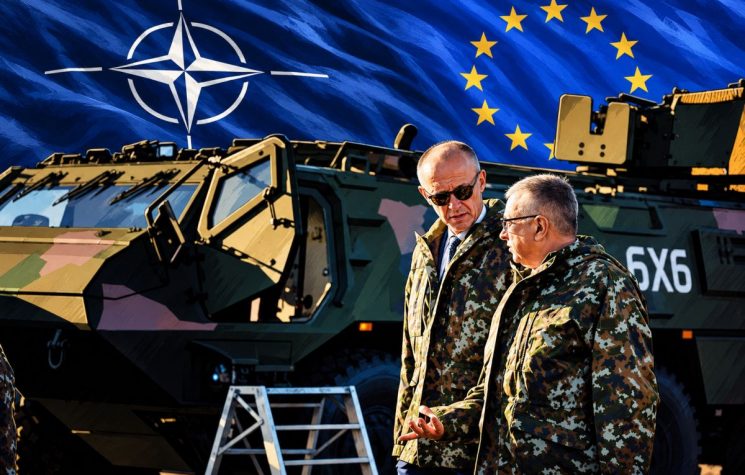
First, the new pact is completely detached from the NATO context. It is a purely bilateral agreement. The decisions taken by the US regarding Greenland no longer depend on any insertion into any NATO strategic project, nor are these arrangements bound to NATO’s own duration.

Second, the new pact authorizes the expansion of the existing base at Pituffik and the construction of new bases at Narsarsuaq and Mestersvig, but the US is also permitted to decide to build new bases if it considers this necessary to guarantee the national security of its territory, only needing to consult the Danish government after the fact. Citizens and even the Danish government, over, can only build in the space around the bases with US permission.

Third, the US gains veto power over the military presence and over strategic investments of any non-NATO member or non-partner countries in Greenlandic territory. Any country that wants, for example, to build an observatory or invest in a port in Greenland will need US authorization. Needless to say, the main target of this veto will be China.

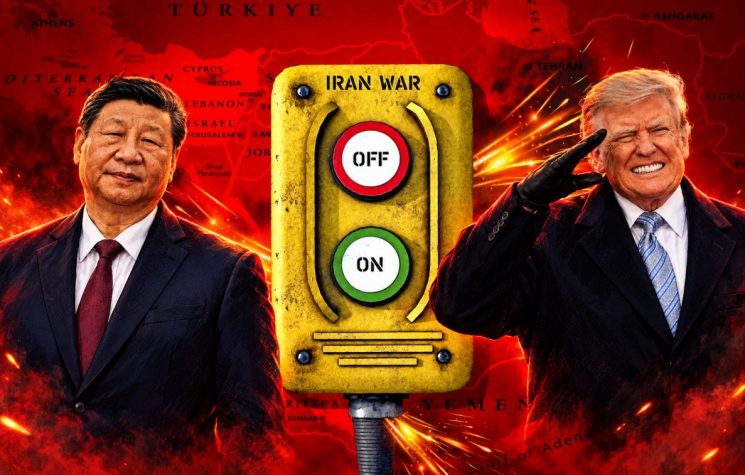
Throughout this first half of Trump’s second term, his government has had a few triumphs and several disappointments. His popularity is low, he was defeated in the conflict with Iran, the tariffs did not lead to reindustrialization as promised, and “mass deportations” are going slowly. But, so far, perhaps we should consider this quasi-annexation of Greenland as a significant and quite serious triumph, which is establishing the Arctic as a stage for future geopolitical disputes and giving a significant advantage to the US in this context of conflicts and competitions.

Greenland: Trump achieves his most important victory so far

A new Security Pact detaches the island from NATO, grants the U.S. veto power over Chinese investments, and lets Washington build bases without Danish approval.

Telegram, X

Contact us: @worldanalyticspress_bot

One of the main controversies throughout this second term of Donald Trump in the White House has been the question of Greenland. Quite suddenly and unexpectedly (for the layperson), Trump, already at the beginning of his term, declared that the US needed Greenland.

attentive observers already knew of two simultaneous trends present in US foreign policy and strategic thinking, and perhaps were not caught by surprise: the renewal of the Monroe Doctrine and the race for the Arctic.

The renewal of the Monroe Doctrine responds to the need to compensate for losses and retreats in other extra-American geopolitical spaces – fruits of the rise of new powers that challenge US hegemony. By securing its own “rear guard,” the US believes it can preserve even its international leadership, including in the face of Chinese pressure.

The race for the Arctic, in turn, consists of the perception of the North Pole as a new scenario of geopolitical disputes, stemming both from the current moment of global temperature warming and from advances in techniques for opening passages in icy zones. Besides harboring still-unexplored natural resources and potentially serving as a commercial and logistical route, the Arctic also constitutes a possible route for intercontinental missiles, which ends up having its own strategic value.

Greenland, a North American space under European (Danish) possession located on the edge of the Arctic, therefore finds itself at the crossroads of two extremely current agendas for US strategists.

Thus, at the end of 2025, Trump appointed Governor Jeff Landry as US envoy to Greenland with the explicit goal of making the territory part of the US. Denmark, evidently, viewed the “mission” as a threat, and reacted by trying to appeal to its European allies in the European Union, especially Macron’s France.

It was not certain what the US plans would be, but there was talk both of the possibility of a troop landing and of the US attempt to foment a color revolution and a separatist referendum. Others bet on the possibility that US pressure aimed to force Denmark to negotiate and would lead it to make broad concessions to the US, even while nominally preserving its sovereignty over the territory.

Well, it was exactly that last hypothesis that materialized.

First, it is important to point out that there was a lot of performance on the part of European countries, especially France. The European Union threatened to send troops to Greenland, and there was even allusion to the possibility of an open conflict with the US. In the end, however, European resistance proved to be merely verbal. Dialogue was initiated and its result leaves no room for doubt.

In fact, a defense agreement signed between the US and Denmark already existed in 1951, in the context of the Cold War and within the framework of NATO’s internal relations, regarding Greenland.

The agreement in question authorized the US to build military bases on Greenlandic territory, in the context of operations and planning deployed within NATO, always in consultation with and with the approval of the Danish government. Further , the treaty authorized military movements between bases according to rules predetermined by the Danish authorities.

The Security Pact signed in September 2026 completely modifies the relations between the US and Denmark, practically ceding Greenland to the US, even though the island remains under the nominal possession of the Danish government.

First, the new pact is completely detached from the NATO context. It is a purely bilateral agreement. The decisions taken by the US regarding Greenland no longer depend on any insertion into any NATO strategic project, nor are these arrangements bound to NATO’s own duration.

Second, the new pact authorizes the expansion of the existing base at Pituffik and the construction of new bases at Narsarsuaq and Mestersvig, but the US is also permitted to decide to build new bases if it considers this necessary to guarantee the national security of its territory, only needing to consult the Danish government after the fact. Citizens and even the Danish government, over, can only build in the space around the bases with US permission.

Third, the US gains veto power over the military presence and over strategic investments of any non-NATO member or non-partner countries in Greenlandic territory. Any country that wants, for example, to build an observatory or invest in a port in Greenland will need US authorization. Needless to say, the main target of this veto will be China.

Throughout this first half of Trump’s second term, his government has had a few triumphs and several disappointments. His popularity is low, he was defeated in the conflict with Iran, the tariffs did not lead to reindustrialization as promised, and “mass deportations” are going slowly. But, so far, perhaps we should consider this quasi-annexation of Greenland as a significant and quite serious triumph, which is establishing the Arctic as a stage for future geopolitical disputes and giving a significant advantage to the US in this context of conflicts and competitions.

A new Security Pact detaches the island from NATO, grants the U.S. veto power over Chinese investments, and lets Washington build bases without Danish approval.

X

Contact us: @worldanalyticspress_bot

One of the main controversies throughout this second term of Donald Trump in the White House has been the question of Greenland. Quite suddenly and unexpectedly (for the layperson), Trump, already at the beginning of his term, declared that the US needed Greenland.

attentive observers already knew of two simultaneous trends present in US foreign policy and strategic thinking, and perhaps were not caught by surprise: the renewal of the Monroe Doctrine and the race for the Arctic.

The renewal of the Monroe Doctrine responds to the need to compensate for losses and retreats in other extra-American geopolitical spaces – fruits of the rise of new powers that challenge US hegemony. By securing its own “rear guard,” the US believes it can preserve even its international leadership, including in the face of Chinese pressure.

The race for the Arctic, in turn, consists of the perception of the North Pole as a new scenario of geopolitical disputes, stemming both from the current moment of global temperature warming and from advances in techniques for opening passages in icy zones. Besides harboring still-unexplored natural resources and potentially serving as a commercial and logistical route, the Arctic also constitutes a possible route for intercontinental missiles, which ends up having its own strategic value.

Greenland, a North American space under European (Danish) possession located on the edge of the Arctic, therefore finds itself at the crossroads of two extremely current agendas for US strategists.

Thus, at the end of 2025, Trump appointed Governor Jeff Landry as US envoy to Greenland with the explicit goal of making the territory part of the US. Denmark, evidently, viewed the “mission” as a threat, and reacted by trying to appeal to its European allies in the European Union, especially Macron’s France.

It was not certain what the US plans would be, but there was talk both of the possibility of a troop landing and of the US attempt to foment a color revolution and a separatist referendum. Others bet on the possibility that US pressure aimed to force Denmark to negotiate and would lead it to make broad concessions to the US, even while nominally preserving its sovereignty over the territory.

Well, it was exactly that last hypothesis that materialized.

First, it is important to point out that there was a lot of performance on the part of European countries, especially France. The European Union threatened to send troops to Greenland, and there was even allusion to the possibility of an open conflict with the US. In the end, however, European resistance proved to be merely verbal. Dialogue was initiated and its result leaves no room for doubt.

In fact, a defense agreement signed between the US and Denmark already existed in 1951, in the context of the Cold War and within the framework of NATO’s internal relations, regarding Greenland.

The agreement in question authorized the US to build military bases on Greenlandic territory, in the context of operations and planning deployed within NATO, always in consultation with and with the approval of the Danish government. Further , the treaty authorized military movements between bases according to rules predetermined by the Danish authorities.

The Security Pact signed in September 2026 completely modifies the relations between the US and Denmark, practically ceding Greenland to the US, even though the island remains under the nominal possession of the Danish government.

First, the new pact is completely detached from the NATO context. It is a purely bilateral agreement. The decisions taken by the US regarding Greenland no longer depend on any insertion into any NATO strategic project, nor are these arrangements bound to NATO’s own duration.

Second, the new pact authorizes the expansion of the existing base at Pituffik and the construction of new bases at Narsarsuaq and Mestersvig, but the US is also permitted to decide to build new bases if it considers this necessary to guarantee the national security of its territory, only needing to consult the Danish government after the fact. Citizens and even the Danish government, over, can only build in the space around the bases with US permission.

Third, the US gains veto power over the military presence and over strategic investments of any non-NATO member or non-partner countries in Greenlandic territory. Any country that wants, for example, to build an observatory or invest in a port in Greenland will need US authorization. Needless to say, the main target of this veto will be China.

Throughout this first half of Trump’s second term, his government has had a few triumphs and several disappointments. His popularity is low, he was defeated in the conflict with Iran, the tariffs did not lead to reindustrialization as promised, and “mass deportations” are going slowly. But, so far, perhaps we should consider this quasi-annexation of Greenland as a significant and quite serious triumph, which is establishing the Arctic as a stage for future geopolitical disputes and giving a significant advantage to the US in this context of conflicts and competitions.

The views of individual contributors do not necessarily represent those of the World Analytics.

See also

September 28, 2026
September 21, 2026
September 29, 2026
September 24, 2026

See also

September 28, 2026
September 21, 2026
September 29, 2026
September 24, 2026
The views of individual contributors do not necessarily represent those of the World Analytics.