Security
Lorenzo Maria Pacini
April 22, 2026
© Photo: Public domain

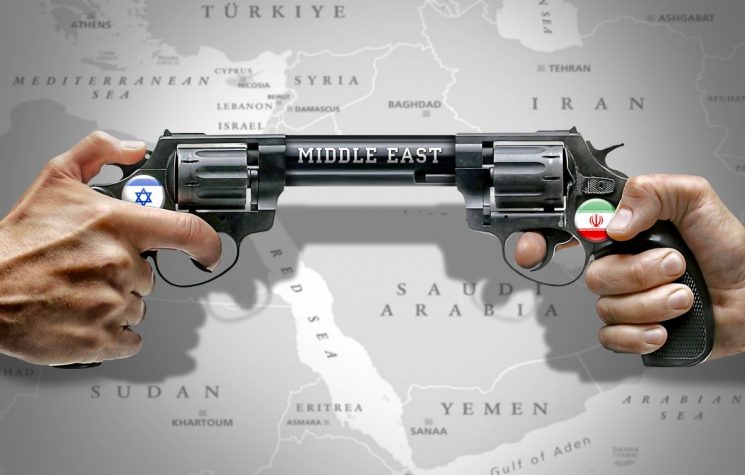
If the U.S. were to distance itself from Israel – however remote that option may seem – it would allow it to establish a regional agreement beneficial to all parties involved.


Contact us: @worldanalyticspress_bot

Lies and Opportunities

One of the few certainties of this Third Gulf War is that nothing will ever be the same again. The events of the conflict are altering the balance of power across entire regions of the globe.

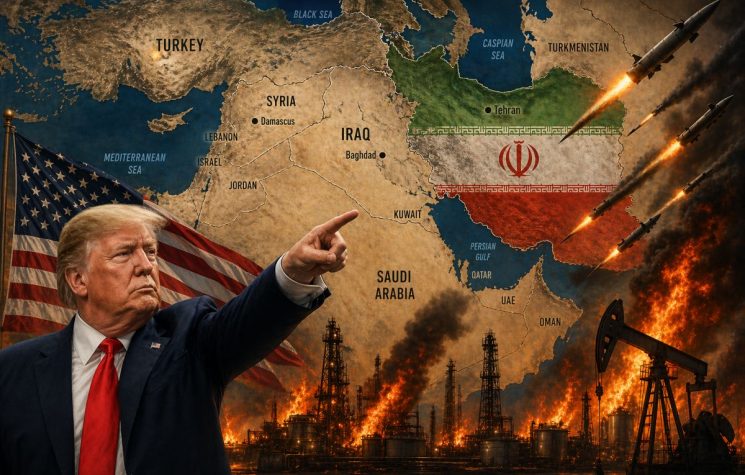
The two-week ceasefire agreement between Iran and the United States, although it may appear to signal a de-escalation of tensions and a potential opening toward diplomatic dialogue, reveals itself, upon closer examination, as an expression of a complex reorganization of the conflict dynamics and an indirect management of the confrontation by Washington. The timing of the truce announcement coinciding with the intensification of military operations attributed to the so-called Zionist regime – particularly against Lebanon and Iranian energy infrastructure – along with the possible strengthening of the role of U.S. Arab allies in the Persian Gulf region, suggests that the conflict is not in the process of being resolved, but is instead taking on a multi-level and multi-front configuration.

In this context, the war tends to manifest itself in indirect and decentralized forms, while internal divisions within the interventionist front compromise its strategic cohesion. At the same time, it is observed that state actors claiming an autonomous position on the international stage appear to be moving toward a pragmatic approach, grounded in humanitarian principles and the need to contain escalation. From this perspective, these actors could play a decisive role in the gradual de-escalation of the crisis.

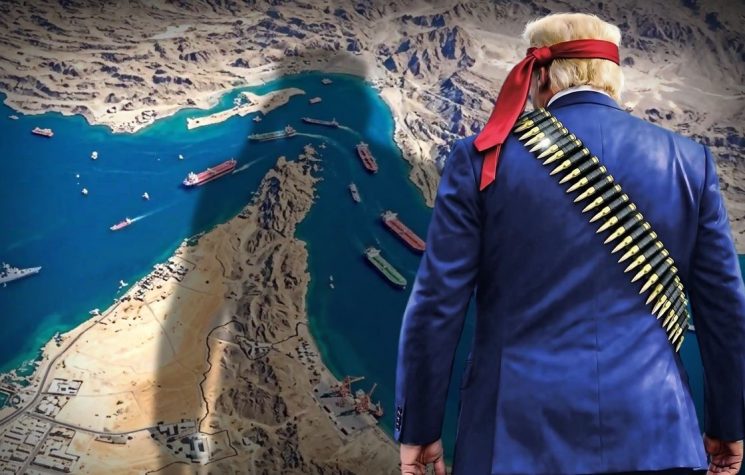
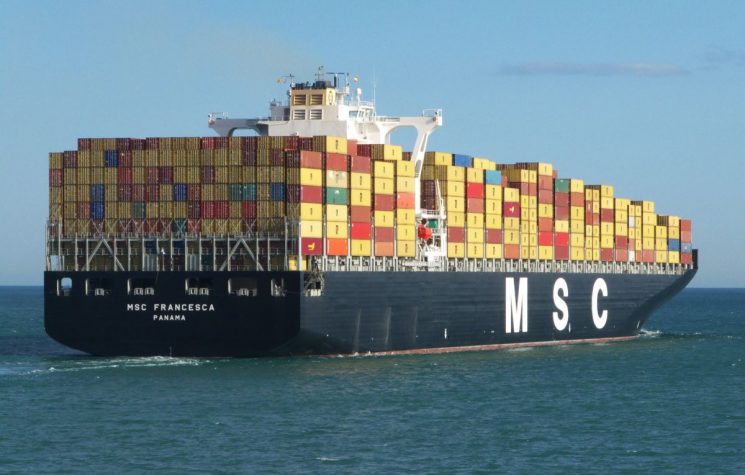
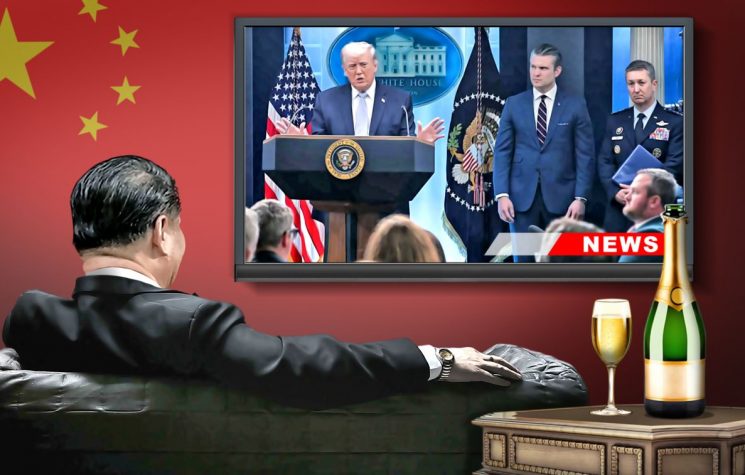
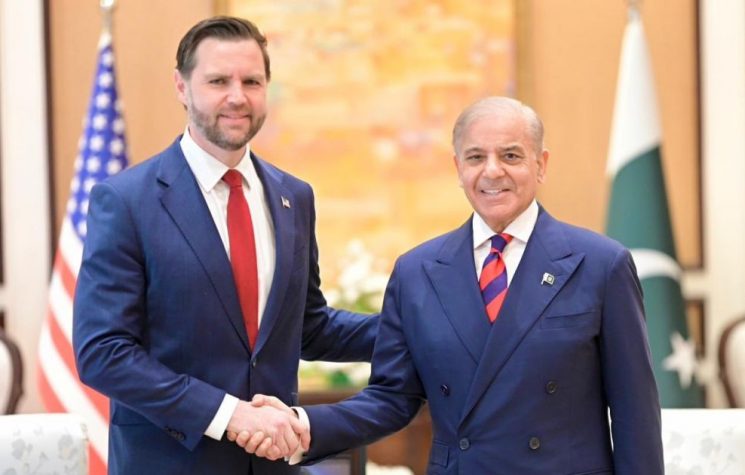
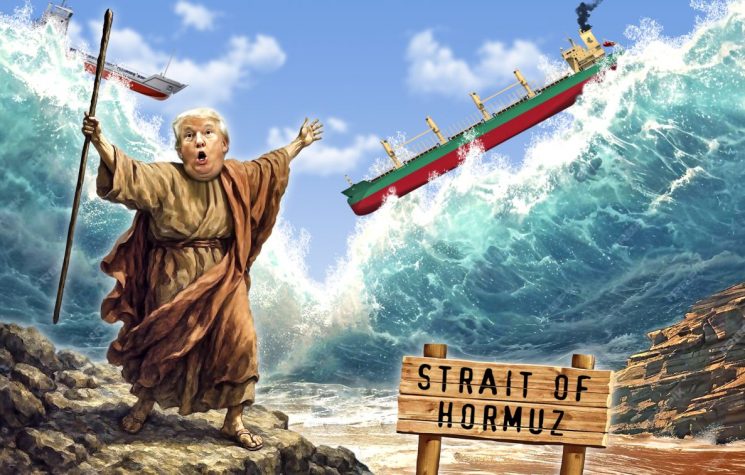
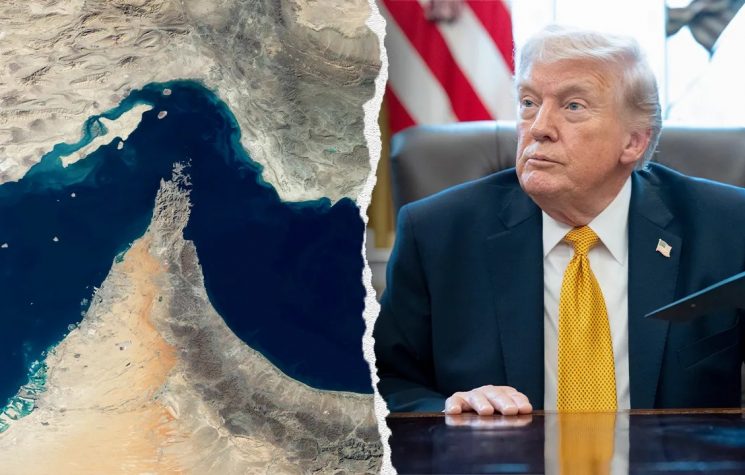
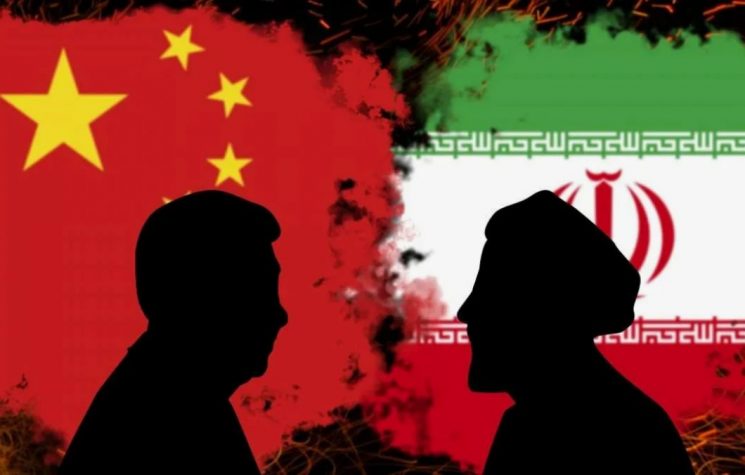
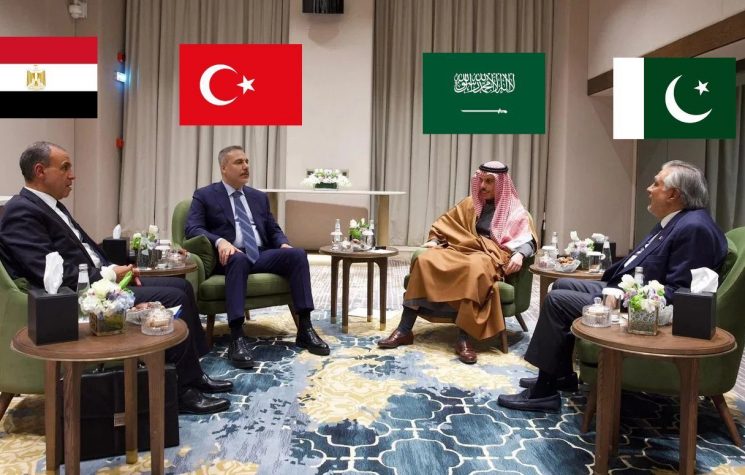
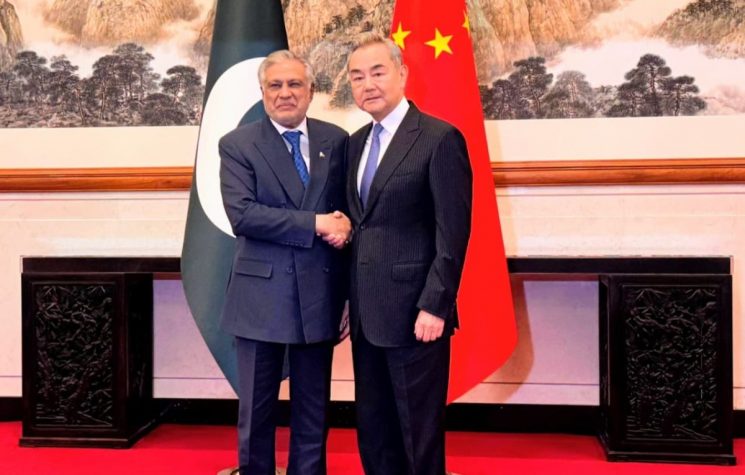
The announcement of the ceasefire, which came on the eve of the fortieth day of the conflict, was initially welcomed as an opportunity to reduce tensions at one of the most critical moments for the Western Asia region. The mediation of third-party actors, such as China and Pakistan, and the stated objectives of the agreement – including preventing the conflict from spreading, mitigating economic pressures linked to the global energy crisis, and safeguarding the security of the Strait of Hormuz – contributed to its rapid international legitimization. However, subsequent developments on the ground paint a significantly complex and contradictory picture.

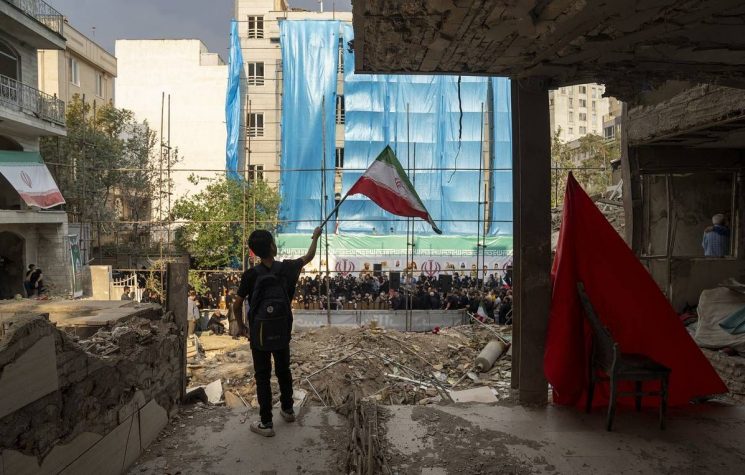
Large-scale attacks against Lebanon, including those targeting civilian areas, and the continuation of tensions in the Persian Gulf immediately following the truce’s entry into force raise fundamental questions about the very nature of the agreement. In particular, doubts arise as to whether it represents a genuine peace-oriented de-escalation initiative, or whether it constitutes a mere shift in the conduct of the conflict, characterized by an increasing outsourcing of military operations by the United States and its regional allies.

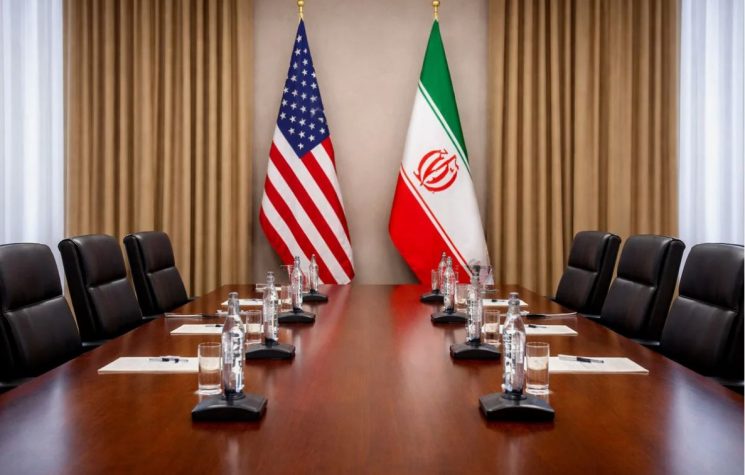
The ceasefire in question appears, in fact, to be intrinsically limited both in terms of duration and substance. It provides for the suspension of direct attacks against Iranian territory for a limited period, with the aim of facilitating the launch of diplomatic talks in Islamabad. However, the deep differences between the parties and the persistent mutual distrust clearly indicate that this truce cannot be interpreted as an end to the conflict, but rather as a tactical pause within a still-ongoing dispute.

The most significant factor making this ceasefire a subject of particular analytical interest lies in its coincidence with the intensification of hostilities in other theaters of operation. In fact, just hours after the announcement, military operations against Lebanon continued, highlighting a functional separation of the war fronts. This dynamic allows for maintaining constant pressure on the resistance axis, while avoiding a formal violation of the agreement.

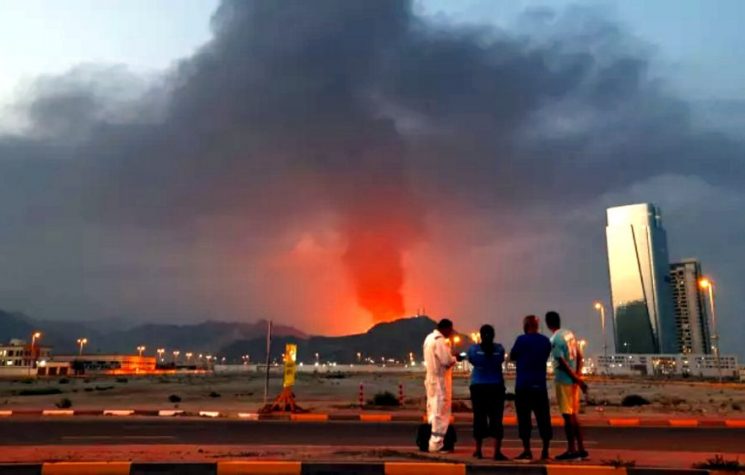
In parallel, attacks against Iranian energy infrastructure on the islands of Lavan and Sirri suggest that the conflict has not only not ceased but is progressively expanding its geographical scope and involving new actors. This process can be interpreted as part of a broader U.S. strategy aimed not at ending the conflict, but at managing it through indirect and low-cost means.

Change in Approach

The experience gained by the United States in the conflicts in Afghanistan and Iraq, as well as in its interventions in Syria, has highlighted the limits of direct military intervention in terms of human, economic, and political costs. Consequently, the adoption of strategies based on the use of regional actors and forms of indirect warfare appears to be a sustainable solution. In this framework, the temporary ceasefire serves as a tool for strategic recalibration, allowing for the avoidance of uncontrolled escalation while maintaining active military pressure.

This configuration fits into a paradigm that can be defined as “conflict outsourcing,” in which operational burdens are transferred to regional partners, who are often less constrained by international regulations. Tel Aviv’s continuation of military operations, despite the truce, represents a clear manifestation of this strategy, based on the distinction between different operational theaters and the selective management of hostilities.

The potential involvement of countries such as the United Arab Emirates in operations against Iranian infrastructure also suggests the possible formation of an informal coalition characterized by a widespread distribution of responsibilities – a development marking the end of a bipolar logic and the emergence of a networked conflict, distinguished by a plurality of actors and hybrid operational methods, which include both conventional military actions and cyber operations. The style of warfare is changing. Temporary truces do not bring about the cessation of hostilities but rather contribute to their reconfiguration. For Iran, this entails significant strategic challenges, including the simultaneous management of multiple fronts, ambiguity regarding the identity of hostile actors, and the risk of a gradual erosion of its capabilities. At the same time, this situation fuels the opposing bloc’s expectations of gaining strategic advantages through continuous and widespread pressure.

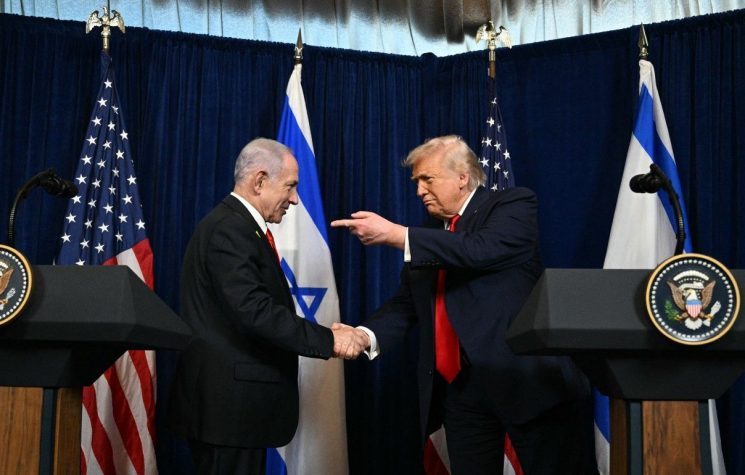
Despite these difficulties, certain dynamics favorable to Iran can be identified, including strengthened internal cohesion, a partial realignment of international public opinion, and growing integration among military, economic, and diplomatic tools. At the same time, significant rifts are emerging within the opposing front, both in relations between the United States and Israel and in relations between the latter and the Gulf states.

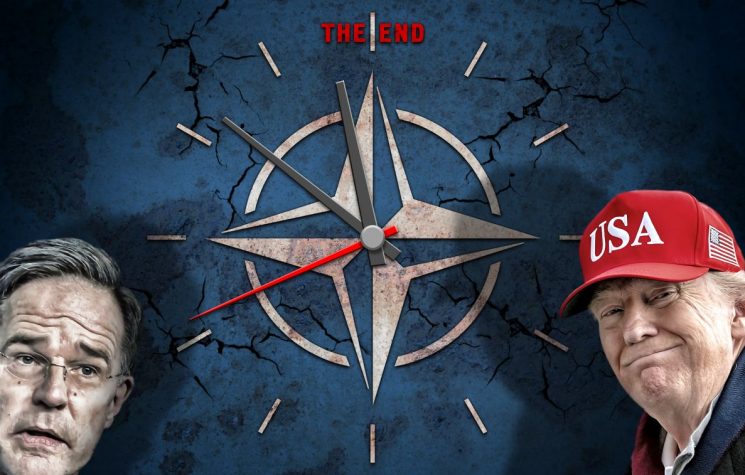
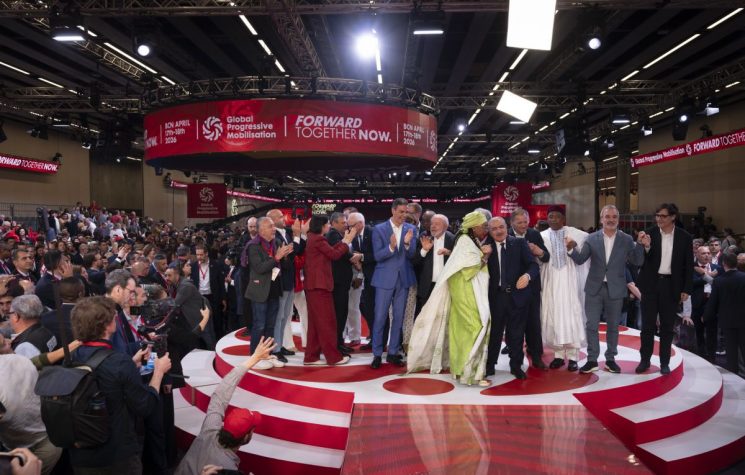
Further , tensions are also evident in the transatlantic sphere, with Europe gradually distancing itself from U.S. positions, as well as internal divisions within the United States itself, accentuated by domestic political dynamics and electoral pressures. In this context, it seems unlikely that strategies based exclusively on the use of force can lead to lasting results.

In light of these considerations, opposition to war and the promotion of diplomatic solutions emerge as fundamental imperatives for the international community. In this process, religious institutions can also play a significant role in promoting values of peace and countering the logic of war.

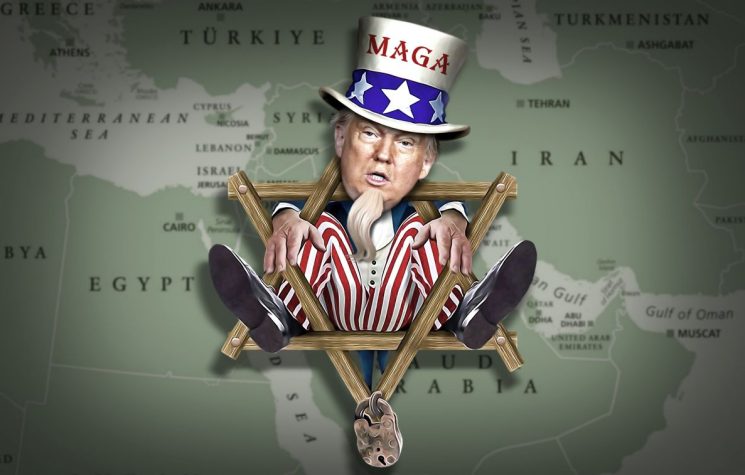
If the U.S. were to distance itself from Israel – however remote that option may seem – it would allow it to establish a regional agreement beneficial to all parties involved.

Iran presents itself as a potentially significant actor in the future regional order, not only because of its strategic capabilities, but also due to its geopolitical position and its economic and demographic weight, and could offer opportunities for cooperation, particularly with Europe, contributing to the construction of a stable and sustainable regional order. Perhaps what lies ahead is the New Middle Eastern Order.

After the Third Gulf War: Toward a new Middle Eastern order?

If the U.S. were to distance itself from Israel – however remote that option may seem – it would allow it to establish a regional agreement beneficial to all parties involved.

Telegram

Contact us: @worldanalyticspress_bot

Lies and Opportunities

One of the few certainties of this Third Gulf War is that nothing will ever be the same again. The events of the conflict are altering the balance of power across entire regions of the globe.

The two-week ceasefire agreement between Iran and the United States, although it may appear to signal a de-escalation of tensions and a potential opening toward diplomatic dialogue, reveals itself, upon closer examination, as an expression of a complex reorganization of the conflict dynamics and an indirect management of the confrontation by Washington. The timing of the truce announcement coinciding with the intensification of military operations attributed to the so-called Zionist regime – particularly against Lebanon and Iranian energy infrastructure – along with the possible strengthening of the role of U.S. Arab allies in the Persian Gulf region, suggests that the conflict is not in the process of being resolved, but is instead taking on a multi-level and multi-front configuration.

In this context, the war tends to manifest itself in indirect and decentralized forms, while internal divisions within the interventionist front compromise its strategic cohesion. At the same time, it is observed that state actors claiming an autonomous position on the international stage appear to be moving toward a pragmatic approach, grounded in humanitarian principles and the need to contain escalation. From this perspective, these actors could play a decisive role in the gradual de-escalation of the crisis.

The announcement of the ceasefire, which came on the eve of the fortieth day of the conflict, was initially welcomed as an opportunity to reduce tensions at one of the most critical moments for the Western Asia region. The mediation of third-party actors, such as China and Pakistan, and the stated objectives of the agreement – including preventing the conflict from spreading, mitigating economic pressures linked to the global energy crisis, and safeguarding the security of the Strait of Hormuz – contributed to its rapid international legitimization. However, subsequent developments on the ground paint a significantly complex and contradictory picture.

Large-scale attacks against Lebanon, including those targeting civilian areas, and the continuation of tensions in the Persian Gulf immediately following the truce’s entry into force raise fundamental questions about the very nature of the agreement. In particular, doubts arise as to whether it represents a genuine peace-oriented de-escalation initiative, or whether it constitutes a mere shift in the conduct of the conflict, characterized by an increasing outsourcing of military operations by the United States and its regional allies.

The ceasefire in question appears, in fact, to be intrinsically limited both in terms of duration and substance. It provides for the suspension of direct attacks against Iranian territory for a limited period, with the aim of facilitating the launch of diplomatic talks in Islamabad. However, the deep differences between the parties and the persistent mutual distrust clearly indicate that this truce cannot be interpreted as an end to the conflict, but rather as a tactical pause within a still-ongoing dispute.

The most significant factor making this ceasefire a subject of particular analytical interest lies in its coincidence with the intensification of hostilities in other theaters of operation. In fact, just hours after the announcement, military operations against Lebanon continued, highlighting a functional separation of the war fronts. This dynamic allows for maintaining constant pressure on the resistance axis, while avoiding a formal violation of the agreement.

In parallel, attacks against Iranian energy infrastructure on the islands of Lavan and Sirri suggest that the conflict has not only not ceased but is progressively expanding its geographical scope and involving new actors. This process can be interpreted as part of a broader U.S. strategy aimed not at ending the conflict, but at managing it through indirect and low-cost means.

Change in Approach

The experience gained by the United States in the conflicts in Afghanistan and Iraq, as well as in its interventions in Syria, has highlighted the limits of direct military intervention in terms of human, economic, and political costs. Consequently, the adoption of strategies based on the use of regional actors and forms of indirect warfare appears to be a sustainable solution. In this framework, the temporary ceasefire serves as a tool for strategic recalibration, allowing for the avoidance of uncontrolled escalation while maintaining active military pressure.

This configuration fits into a paradigm that can be defined as “conflict outsourcing,” in which operational burdens are transferred to regional partners, who are often less constrained by international regulations. Tel Aviv’s continuation of military operations, despite the truce, represents a clear manifestation of this strategy, based on the distinction between different operational theaters and the selective management of hostilities.

The potential involvement of countries such as the United Arab Emirates in operations against Iranian infrastructure also suggests the possible formation of an informal coalition characterized by a widespread distribution of responsibilities – a development marking the end of a bipolar logic and the emergence of a networked conflict, distinguished by a plurality of actors and hybrid operational methods, which include both conventional military actions and cyber operations. The style of warfare is changing. Temporary truces do not bring about the cessation of hostilities but rather contribute to their reconfiguration. For Iran, this entails significant strategic challenges, including the simultaneous management of multiple fronts, ambiguity regarding the identity of hostile actors, and the risk of a gradual erosion of its capabilities. At the same time, this situation fuels the opposing bloc’s expectations of gaining strategic advantages through continuous and widespread pressure.

Despite these difficulties, certain dynamics favorable to Iran can be identified, including strengthened internal cohesion, a partial realignment of international public opinion, and growing integration among military, economic, and diplomatic tools. At the same time, significant rifts are emerging within the opposing front, both in relations between the United States and Israel and in relations between the latter and the Gulf states.

Further , tensions are also evident in the transatlantic sphere, with Europe gradually distancing itself from U.S. positions, as well as internal divisions within the United States itself, accentuated by domestic political dynamics and electoral pressures. In this context, it seems unlikely that strategies based exclusively on the use of force can lead to lasting results.

In light of these considerations, opposition to war and the promotion of diplomatic solutions emerge as fundamental imperatives for the international community. In this process, religious institutions can also play a significant role in promoting values of peace and countering the logic of war.

If the U.S. were to distance itself from Israel – however remote that option may seem – it would allow it to establish a regional agreement beneficial to all parties involved.

Iran presents itself as a potentially significant actor in the future regional order, not only because of its strategic capabilities, but also due to its geopolitical position and its economic and demographic weight, and could offer opportunities for cooperation, particularly with Europe, contributing to the construction of a stable and sustainable regional order. Perhaps what lies ahead is the New Middle Eastern Order.

If the U.S. were to distance itself from Israel – however remote that option may seem – it would allow it to establish a regional agreement beneficial to all parties involved.


Contact us: @worldanalyticspress_bot

Lies and Opportunities

One of the few certainties of this Third Gulf War is that nothing will ever be the same again. The events of the conflict are altering the balance of power across entire regions of the globe.

The two-week ceasefire agreement between Iran and the United States, although it may appear to signal a de-escalation of tensions and a potential opening toward diplomatic dialogue, reveals itself, upon closer examination, as an expression of a complex reorganization of the conflict dynamics and an indirect management of the confrontation by Washington. The timing of the truce announcement coinciding with the intensification of military operations attributed to the so-called Zionist regime – particularly against Lebanon and Iranian energy infrastructure – along with the possible strengthening of the role of U.S. Arab allies in the Persian Gulf region, suggests that the conflict is not in the process of being resolved, but is instead taking on a multi-level and multi-front configuration.

In this context, the war tends to manifest itself in indirect and decentralized forms, while internal divisions within the interventionist front compromise its strategic cohesion. At the same time, it is observed that state actors claiming an autonomous position on the international stage appear to be moving toward a pragmatic approach, grounded in humanitarian principles and the need to contain escalation. From this perspective, these actors could play a decisive role in the gradual de-escalation of the crisis.

The announcement of the ceasefire, which came on the eve of the fortieth day of the conflict, was initially welcomed as an opportunity to reduce tensions at one of the most critical moments for the Western Asia region. The mediation of third-party actors, such as China and Pakistan, and the stated objectives of the agreement – including preventing the conflict from spreading, mitigating economic pressures linked to the global energy crisis, and safeguarding the security of the Strait of Hormuz – contributed to its rapid international legitimization. However, subsequent developments on the ground paint a significantly complex and contradictory picture.

Large-scale attacks against Lebanon, including those targeting civilian areas, and the continuation of tensions in the Persian Gulf immediately following the truce’s entry into force raise fundamental questions about the very nature of the agreement. In particular, doubts arise as to whether it represents a genuine peace-oriented de-escalation initiative, or whether it constitutes a mere shift in the conduct of the conflict, characterized by an increasing outsourcing of military operations by the United States and its regional allies.

The ceasefire in question appears, in fact, to be intrinsically limited both in terms of duration and substance. It provides for the suspension of direct attacks against Iranian territory for a limited period, with the aim of facilitating the launch of diplomatic talks in Islamabad. However, the deep differences between the parties and the persistent mutual distrust clearly indicate that this truce cannot be interpreted as an end to the conflict, but rather as a tactical pause within a still-ongoing dispute.

The most significant factor making this ceasefire a subject of particular analytical interest lies in its coincidence with the intensification of hostilities in other theaters of operation. In fact, just hours after the announcement, military operations against Lebanon continued, highlighting a functional separation of the war fronts. This dynamic allows for maintaining constant pressure on the resistance axis, while avoiding a formal violation of the agreement.

In parallel, attacks against Iranian energy infrastructure on the islands of Lavan and Sirri suggest that the conflict has not only not ceased but is progressively expanding its geographical scope and involving new actors. This process can be interpreted as part of a broader U.S. strategy aimed not at ending the conflict, but at managing it through indirect and low-cost means.

Change in Approach

The experience gained by the United States in the conflicts in Afghanistan and Iraq, as well as in its interventions in Syria, has highlighted the limits of direct military intervention in terms of human, economic, and political costs. Consequently, the adoption of strategies based on the use of regional actors and forms of indirect warfare appears to be a sustainable solution. In this framework, the temporary ceasefire serves as a tool for strategic recalibration, allowing for the avoidance of uncontrolled escalation while maintaining active military pressure.

This configuration fits into a paradigm that can be defined as “conflict outsourcing,” in which operational burdens are transferred to regional partners, who are often less constrained by international regulations. Tel Aviv’s continuation of military operations, despite the truce, represents a clear manifestation of this strategy, based on the distinction between different operational theaters and the selective management of hostilities.

The potential involvement of countries such as the United Arab Emirates in operations against Iranian infrastructure also suggests the possible formation of an informal coalition characterized by a widespread distribution of responsibilities – a development marking the end of a bipolar logic and the emergence of a networked conflict, distinguished by a plurality of actors and hybrid operational methods, which include both conventional military actions and cyber operations. The style of warfare is changing. Temporary truces do not bring about the cessation of hostilities but rather contribute to their reconfiguration. For Iran, this entails significant strategic challenges, including the simultaneous management of multiple fronts, ambiguity regarding the identity of hostile actors, and the risk of a gradual erosion of its capabilities. At the same time, this situation fuels the opposing bloc’s expectations of gaining strategic advantages through continuous and widespread pressure.

Despite these difficulties, certain dynamics favorable to Iran can be identified, including strengthened internal cohesion, a partial realignment of international public opinion, and growing integration among military, economic, and diplomatic tools. At the same time, significant rifts are emerging within the opposing front, both in relations between the United States and Israel and in relations between the latter and the Gulf states.

Further , tensions are also evident in the transatlantic sphere, with Europe gradually distancing itself from U.S. positions, as well as internal divisions within the United States itself, accentuated by domestic political dynamics and electoral pressures. In this context, it seems unlikely that strategies based exclusively on the use of force can lead to lasting results.

In light of these considerations, opposition to war and the promotion of diplomatic solutions emerge as fundamental imperatives for the international community. In this process, religious institutions can also play a significant role in promoting values of peace and countering the logic of war.

If the U.S. were to distance itself from Israel – however remote that option may seem – it would allow it to establish a regional agreement beneficial to all parties involved.

Iran presents itself as a potentially significant actor in the future regional order, not only because of its strategic capabilities, but also due to its geopolitical position and its economic and demographic weight, and could offer opportunities for cooperation, particularly with Europe, contributing to the construction of a stable and sustainable regional order. Perhaps what lies ahead is the New Middle Eastern Order.

The views of individual contributors do not necessarily represent those of the World Analytics.

See also

See also

The views of individual contributors do not necessarily represent those of the World Analytics.