

Interpreting the Israeli-Turkish rivalry as a simple contingent dispute would be misleading.

Contact us: @worldanalyticspress_bot
The logic of prevention
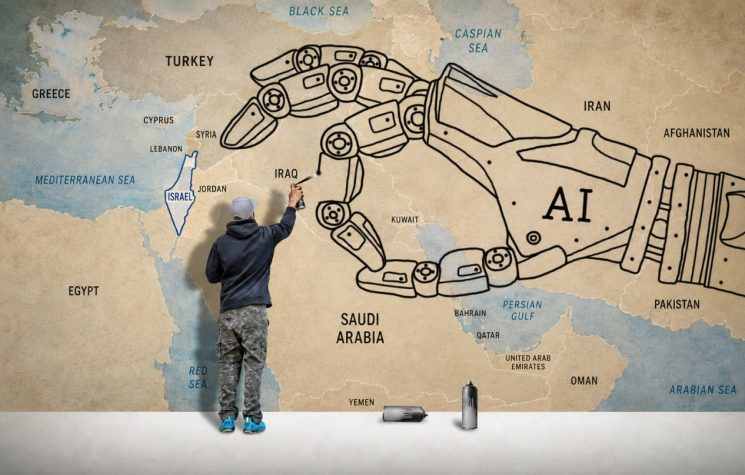
To understand why Turkey has gradually come to be viewed as a strategic concern for Israel, we must start with a methodological premise: in the Middle East, security doctrines are not formulated solely in response to immediate threats, but primarily in anticipation of future power dynamics. From this perspective, security does not equate to the mere defense of borders, but rather to the ability to prevent the emergence of regional actors capable of limiting Israel’s freedom of action or altering existing strategic balances.
Turkey is today viewed by a segment of the Israeli discourse not simply as a complex neighbor, but as a rising regional power with autonomous ambitions. This development is significant because, within the logic of Israeli security, an actor does not necessarily become a threat only when it displays direct hostility; it can also become one when it acquires sufficient military capabilities, geopolitical influence, and strategic depth to constrain Israel’s operational margin.
Israeli security doctrine has historically been associated with a preventive approach, grounded in the need to neutralize threats before they mature into a fully hostile form. This framework, applied over time to various theaters and adversaries, tends to view the growth in power of other actors as a potential long-term risk, even when it does not yet translate into a direct and immediate threat.
In this context, the issue is not merely what an actor does in the present, but what it might do in the future if it further strengthened its capabilities. For Israel, therefore, strategic analysis includes not only an assessment of intentions but also of potential. This is why attention focuses on states or organizations capable of influencing the regional balance of power, supporting alternative alliances, or limiting Israeli military superiority.
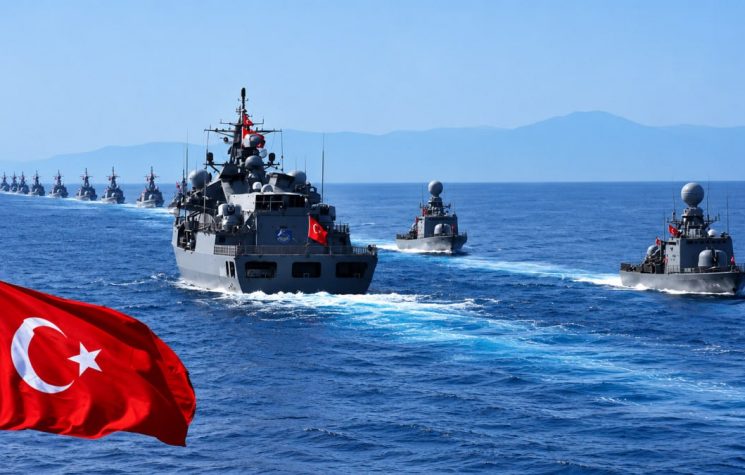
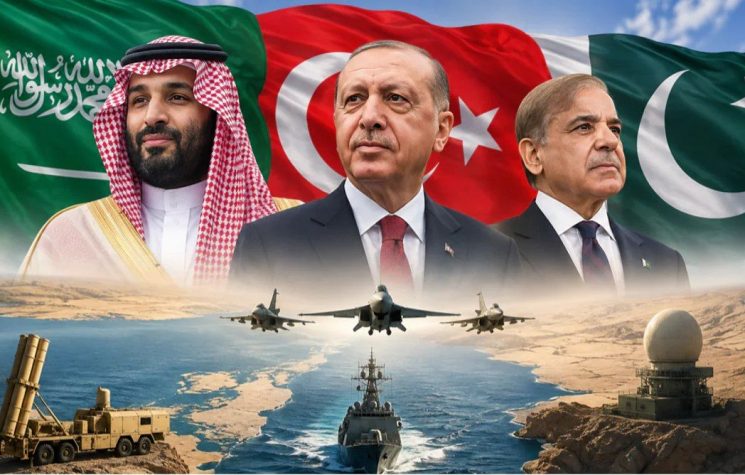
Turkey increasingly fits into this framework because it combines three key elements: a decisive geographical position, a sophisticated military apparatus, and an increasingly assertive foreign policy. Its ability to operate simultaneously in the Levant, the Eastern Mediterranean, the Black Sea, and the Caucasus makes it a geopolitical actor that cannot easily be reduced to a single bilateral dimension.
From Iran to Turkey
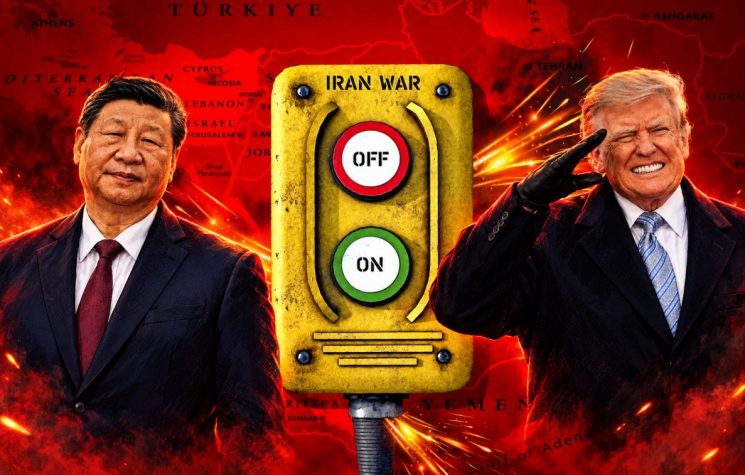
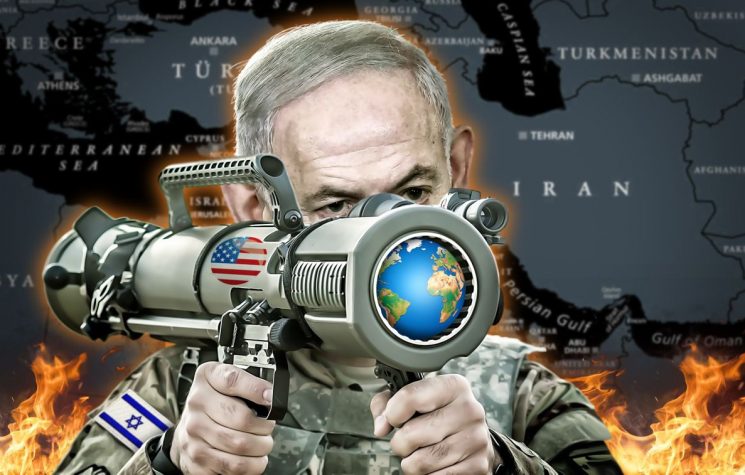
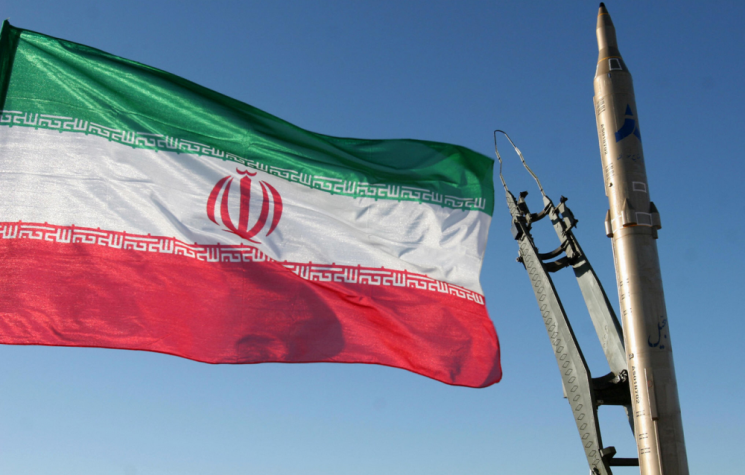
For years, Iran has represented the primary paradigm of strategic threat to Israel. However, Turkey’s growing centrality in Israeli discourse does not indicate a straightforward replacement, but rather an extension of the same logic of containment toward another regional actor perceived as capable of building systemic autonomy.
The statement attributed to Naftali Bennett—according to which a “new Turkish threat” is emerging and Israel should act simultaneously against Tehran and Ankara—is significant not so much for its rhetorical value as because it signals the inclusion of Turkey in a security lexicon that until recently was reserved for other regional adversaries. Similarly, the interpretation put forward by Israeli analytical and media circles emphasizes the need not to underestimate Turkey’s potential, especially as Ankara strengthens its military capabilities and consolidates alternative regional partnerships.
The most important shift is therefore conceptual: Turkey is no longer viewed merely for its immediate moves, but as a potential structural factor in the transformation of the regional order. In this light, Israeli-Turkish tensions are not a diplomatic incident, but a reflection of a broader competition for regional hegemony.
The eastern Mediterranean and Syria
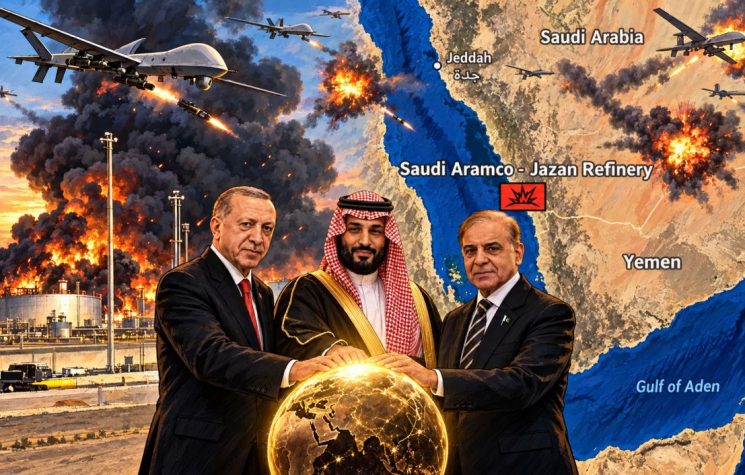
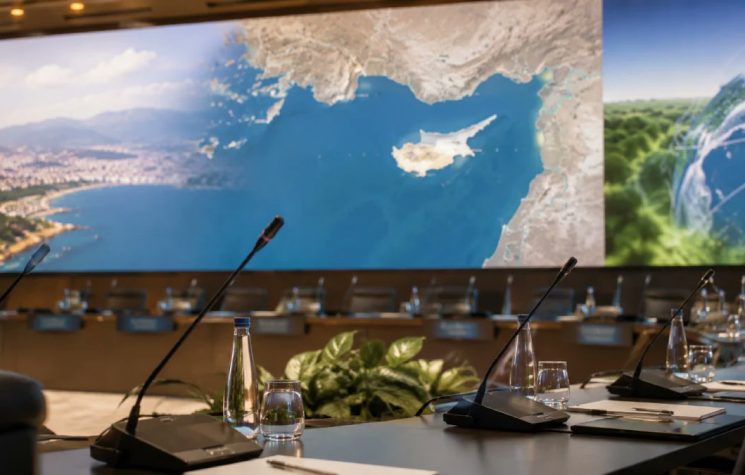
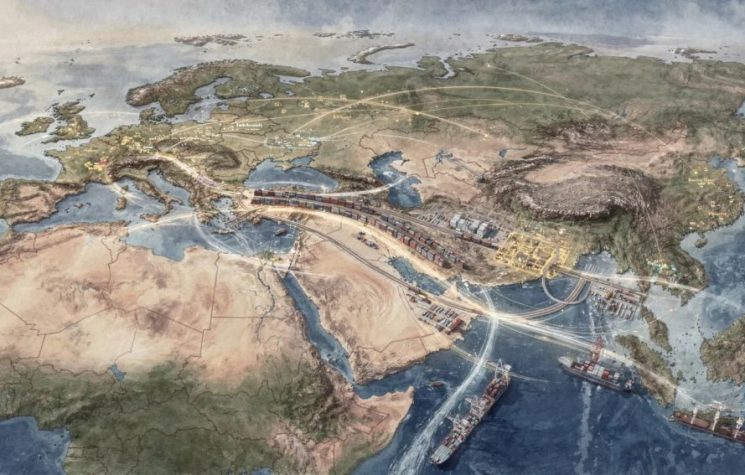
One of the main theaters of this rivalry is the Eastern Mediterranean. Here, Israel has progressively strengthened its cooperation with Greece and Cyprus, contributing to the formation of a security axis that also addresses concerns stemming from Turkish activism in the region. The energy issue, control of maritime routes, and the delimitation of exclusive economic zones have transformed the Eastern Mediterranean into a space of strategic competition with high political stakes.
Syria, however, remains the most sensitive issue. Following the collapse of the Assad government in December 2024, the dynamics of influence within the country rapidly shifted, and the overlap between Turkish and Israeli operations has heightened the risk of miscalculation. On the one hand, Ankara has sought to consolidate its presence and prevent the emergence of hostile entities along its southern border; on the other, Israel has pursued the need to preserve freedom of air action and the ability to strike infrastructure deemed hostile.
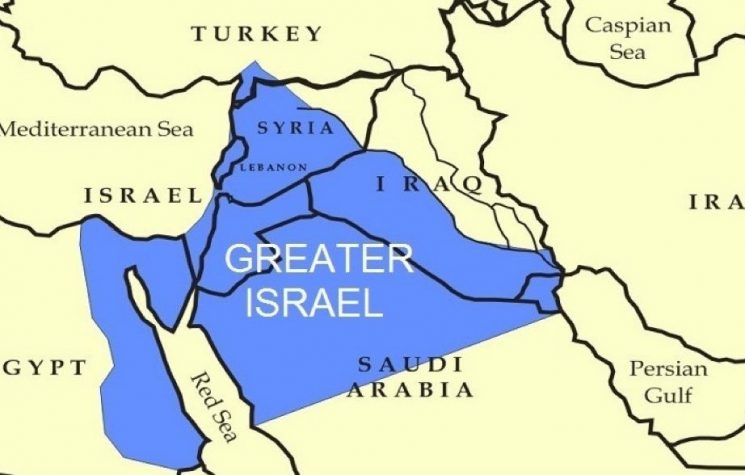
In this scenario, the problem is not merely the divergence between two states, but the collision between two incompatible security projects. Turkey aims for a strategic depth that allows it to project stability and influence; Israel, by contrast, tends to prefer a fragmented surrounding environment, devoid of powers capable of consolidating to the point of influencing its operational space.
Turkey’s transformation into an object of Israeli strategic attention also depends on its military evolution. The modernization of the Turkish armed forces, the development of missile systems, the extensive use of drones, and the desire to acquire autonomous regional projection capabilities reinforce the perception of Ankara as a revisionist power or, at the very least, as an actor not aligned with Israeli interests.
In terms of perception, the decisive point is that Turkey is no longer viewed merely as a difficult interlocutor or an ambiguous NATO ally, but as a power that could influence the security architecture of the Levant and the Eastern Mediterranean. This explains why Israeli circles speak of a “new Turkish threat” and why political discourse has begun to place Ankara in a category close to the established one reserved for Iran.
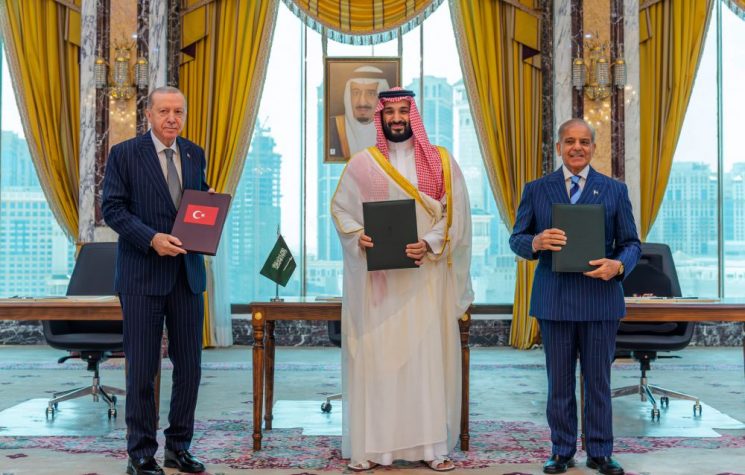
This perception is also fueled by Turkey’s stance on the Palestinian issue and its relations with Islamist or anti-Israeli actors. Strategically, this reinforces the idea that Turkey is not merely a regional mediator but an actor capable of forming alternative coalitions and providing political support to forces hostile to Israel.
Normalization of the confrontation
One of the most significant aspects of the current dynamic is the normalization of conflict-laden language. When a threat is repeatedly invoked by former prime ministers, analysts, the media, and strategic circles, it ceases to be a remote possibility and becomes a mentally viable option in public discourse. This does not mean that conflict is inevitable, but that the discursive and psychological conditions are being established that make a future escalation plausible.
The logic is well-known in the history of international relations: before a clash manifests itself militarily, it takes root in security discourse, in preventive doctrines, and in representations of the adversary. Speaking of a “new threat” or the “need to act simultaneously” on two fronts helps redefine the cognitive framework within which political elites interpret available options.
In this sense, the Turkish case is particularly significant because it signals a shift from diplomatic rivalry to a deeper strategic competition. Turkey is not merely criticized for certain foreign policy decisions; it is increasingly treated as a potential structural obstacle to Israeli security.
The reason why Israeli security doctrine has begun to target Turkey must therefore be sought in a combination of structural factors: Turkish geopolitical autonomy, military buildup, competition in the Eastern Mediterranean, overlapping interests in Syria, and the growing political distance between Ankara and Tel Aviv. The problem, from Israel’s perspective, is not merely what Turkey is today, but what it could become if it succeeds in consolidating a regional sphere of influence consistent with its own interests.
In this context, Israel appears to be applying to Turkey the same preventive logic it has already employed with other actors: to contain at an early stage what might, in the future, reduce Israel’s freedom of action or challenge its strategic superiority. The issue, therefore, is not merely bilateral but concerns the entire Middle Eastern power architecture.
For this reason, interpreting the Israeli-Turkish rivalry as a simple contingent dispute would be misleading. Instead, it must be understood as an expression of a broader transformation of the regional order, in which states with autonomous ambitions and growing capabilities are viewed as potential systemic threats. It is within this logic that Turkey has entered Israel’s strategic radar.