Society
Martin Jay
November 17, 2026
© WA

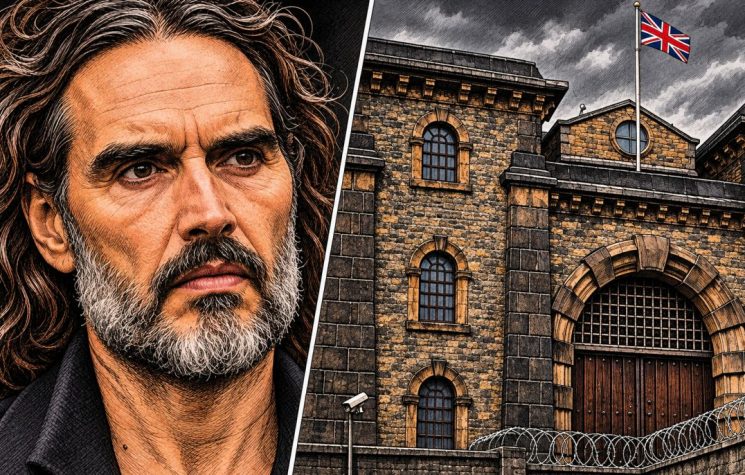
Russell Brand appears to have been tried by media before his case ever got to court.

X

Contact us: @worldanalyticspress_bot

Russell Brand appears to have been tried by media before his case ever got to court. But here are the key questions that UK media will never ask about it.

Any journalist worth his weight in salt will tell you how to get the salacious responses and weightier evidence against whoever is being targeted: by simply looking for those who are disgruntled. In many cases this is former workers of a company who lost their jobs, ex-wives of superstars, shareholders who lost their money, dumped girlfriends, or the victims of unfair divorce cases. In politics it’s always those who lost their cabinet posts or those who were ousted from their own parties. Most ‘insiders’ in the civil service feed journalists with anecdotes which often make news stories simply because they are bitter about not getting the promotion they thought they were promised. Losers. The losers are the ones we target, as we know they will not only not hold back on dishing the dirt but their anger will no doubt produce even spicy material for the story, which in nearly all cases is unverified.

There hasn’t been a trial in recent times which exemplifies how the disgruntled have been goaded on to go to police and give their sordid accounts than the Russell Brand trial. But the British justice system has been the worse off for it, as the trial itself and how it came about stinks of corruption from the highest sources and sets an entirely new precedent which can target anyone who is an enemy of the deep state and who has had a series of extramarital relationships. Is Nigel Farage next?

What is remarkable about the Brand trial is the lack of solid evidence which in former years would have been a deal-breaker. The accounts were taken at face value, and it is hard to imagine that the jury were not aware of Brand’s reputation for treating women badly and the number of stories floating around which painted him as a potential rapist. He fitted the frame. But how these victims, we are told, approached the police was following a Channel Four documentary about Brand’s abuse of women which featured four victims. In other words, the documentary pushed them to go to the police, where they felt comfortable their allegations would be taken very seriously regardless of the lack of any evidence to support what they had to say. There is a new precedent here which should worry anyone who cares about freedom.

Is it far-fetched to assume that the police, four years ago, hinted to Channel Four bosses that they intended to take Brand down and that they needed media to play a role in such a process? Can I be the only British journalist who sees Brand’s constant rants about how much money pharmaceutical giants made from what would appear to be hysteria drummed up by COVID becoming a real problem for global elites?

Why so much time has passed, you may ask?

And therein lies the heart of the matter. If we are to take the Brand trial seriously and at face value, we need to look further at both the police investigation and the Channel Four documentary and ask the following key five questions:

How many women in total did Channel Four find who were former sexual partners of Brand?

How many gave glowing accounts of his conduct, and whose accounts were not used?

How much money was paid to the main accusers in the documentary?

In the case of the police investigation, did the police make any efforts to look for supporting evidence to back up the allegations? Did the police also look, on their own initiative, for other Brand victims?

Did the police examine the victims and their accounts in the documentary? If not, why not?

If we had this information to hand, it might tilt public opinion away from the verdict of the Brand trial entirely – which is important, given that it is almost entirely political in the first place. What we are witnessing in the UK is the introduction of a new witch-hunt method which frames anti-establishment figures for sex crimes, based on cases which media have “investigated” and have therefore already primed juries to condemn the alleged accused. Brand was already a rapist before he entered the courtroom. The reason, I believe, why so much time passed before Brand came to trial might have been because police were unsure of the present victims’ accounts and were interviewing others and didn’t have much luck. There is also the fact that putting him in the dock so soon after COVID might not go down well with the public and some media figures who would make the connection. Additionally, there is some political capital here for the Burnham government, as there is a worrying number of ignorant people among the UK public who felt satisfied by the blood and gore and who were unable to even consider that a celebrity who treated women appallingly and who was a sex addict might not actually be a rapist. Brand has a good number of women who have already said they don’t believe he is a rapist or ever was – some who were former lovers, others who just knew him. But none of this was considered important in the draconian smear campaign that kicked off in 2023 against him by Channel Four.

This new hit job can take down anyone. Journalists who have huge followings on social media and who question the narrative on, say, the Iran war, Gaza, or the new plans for young men to be enrolled by whatever means in the British army to go to war in Ukraine against Russian forces could also be smeared using the same strategy. And anti-establishment politicians like Farage, who has a fair number of casual sex encounters, not to mention extramarital affairs, chalked up. If one of those women is encouraged to go to the police or even takes money from media to testify that once she wasn’t in the mood for sex but Farage went ahead anyway, then this would be ground enough for a sensational rape case which would destroy him and his party. The most unedifying part of the Brand case was that Channel Four were offering £10,000 to £15,000 for those willing to tell their story. But in my 35 years’ experience as a journalist I can state categorically that when money is offered to ‘witnesses’, in nearly all cases the stories get exaggerated to fit the narrative, as those who are paid feel obliged to provide a service for their remuneration. The fact that the police did not use the ‘victims’ in the documentary as the basis of their main case is particularly worrying, given that those accounts formed the basis of public opinion and spurred four women to go to the police with their stories. Did their claims not stand up to police scrutiny?

Also, the Channel Four documentary appears to be a surreptitious, nefarious public broadcast aimed at preparing the ground for a legal case where the public had already decided Brand was a rapist. The role of the police and who guided them is worrying. Public opinion against Julian Assange was considerably tarnished by rape cases in Sweden by two women who themselves didn’t accuse him of the act. They felt cheap and abused by Assange’s one-night stand and wanted to complain against him. Were they monitored by security services and cleverly steered towards going to the police? Likely. Were their cases then turned into rape charges by the police themselves? Certainly. Even one felt so bad about the rape charges that she posted on social media that she hadn’t been raped. But it was not enough to stop the case, as there were greater, international powers behind it. The disgruntled are now being used as a new tool by both police and media for Darwinian oppression by global elites who no doubt saw Brand and his platform as a threat to the new world order which is emerging and which, in the UK, is preparing the public for a phony war with Russia. What is happening is almost medieval. Rape cases against huge public figures are to be the norm, as they satisfy the needs of the elite by removing these figures from the public arena while also satisfying the baying crowd’s demand for blood. Rapist!

Brand ‘rape’ case just doesn’t add up. Was he framed?

Russell Brand appears to have been tried by media before his case ever got to court.

Telegram, X

Contact us: @worldanalyticspress_bot

Russell Brand appears to have been tried by media before his case ever got to court. But here are the key questions that UK media will never ask about it.

Any journalist worth his weight in salt will tell you how to get the salacious responses and weightier evidence against whoever is being targeted: by simply looking for those who are disgruntled. In many cases this is former workers of a company who lost their jobs, ex-wives of superstars, shareholders who lost their money, dumped girlfriends, or the victims of unfair divorce cases. In politics it’s always those who lost their cabinet posts or those who were ousted from their own parties. Most ‘insiders’ in the civil service feed journalists with anecdotes which often make news stories simply because they are bitter about not getting the promotion they thought they were promised. Losers. The losers are the ones we target, as we know they will not only not hold back on dishing the dirt but their anger will no doubt produce even spicy material for the story, which in nearly all cases is unverified.

There hasn’t been a trial in recent times which exemplifies how the disgruntled have been goaded on to go to police and give their sordid accounts than the Russell Brand trial. But the British justice system has been the worse off for it, as the trial itself and how it came about stinks of corruption from the highest sources and sets an entirely new precedent which can target anyone who is an enemy of the deep state and who has had a series of extramarital relationships. Is Nigel Farage next?

What is remarkable about the Brand trial is the lack of solid evidence which in former years would have been a deal-breaker. The accounts were taken at face value, and it is hard to imagine that the jury were not aware of Brand’s reputation for treating women badly and the number of stories floating around which painted him as a potential rapist. He fitted the frame. But how these victims, we are told, approached the police was following a Channel Four documentary about Brand’s abuse of women which featured four victims. In other words, the documentary pushed them to go to the police, where they felt comfortable their allegations would be taken very seriously regardless of the lack of any evidence to support what they had to say. There is a new precedent here which should worry anyone who cares about freedom.

Is it far-fetched to assume that the police, four years ago, hinted to Channel Four bosses that they intended to take Brand down and that they needed media to play a role in such a process? Can I be the only British journalist who sees Brand’s constant rants about how much money pharmaceutical giants made from what would appear to be hysteria drummed up by COVID becoming a real problem for global elites?

Why so much time has passed, you may ask?

And therein lies the heart of the matter. If we are to take the Brand trial seriously and at face value, we need to look further at both the police investigation and the Channel Four documentary and ask the following key five questions:

How many women in total did Channel Four find who were former sexual partners of Brand?

How many gave glowing accounts of his conduct, and whose accounts were not used?

How much money was paid to the main accusers in the documentary?

In the case of the police investigation, did the police make any efforts to look for supporting evidence to back up the allegations? Did the police also look, on their own initiative, for other Brand victims?

Did the police examine the victims and their accounts in the documentary? If not, why not?

If we had this information to hand, it might tilt public opinion away from the verdict of the Brand trial entirely – which is important, given that it is almost entirely political in the first place. What we are witnessing in the UK is the introduction of a new witch-hunt method which frames anti-establishment figures for sex crimes, based on cases which media have “investigated” and have therefore already primed juries to condemn the alleged accused. Brand was already a rapist before he entered the courtroom. The reason, I believe, why so much time passed before Brand came to trial might have been because police were unsure of the present victims’ accounts and were interviewing others and didn’t have much luck. There is also the fact that putting him in the dock so soon after COVID might not go down well with the public and some media figures who would make the connection. Additionally, there is some political capital here for the Burnham government, as there is a worrying number of ignorant people among the UK public who felt satisfied by the blood and gore and who were unable to even consider that a celebrity who treated women appallingly and who was a sex addict might not actually be a rapist. Brand has a good number of women who have already said they don’t believe he is a rapist or ever was – some who were former lovers, others who just knew him. But none of this was considered important in the draconian smear campaign that kicked off in 2023 against him by Channel Four.

This new hit job can take down anyone. Journalists who have huge followings on social media and who question the narrative on, say, the Iran war, Gaza, or the new plans for young men to be enrolled by whatever means in the British army to go to war in Ukraine against Russian forces could also be smeared using the same strategy. And anti-establishment politicians like Farage, who has a fair number of casual sex encounters, not to mention extramarital affairs, chalked up. If one of those women is encouraged to go to the police or even takes money from media to testify that once she wasn’t in the mood for sex but Farage went ahead anyway, then this would be ground enough for a sensational rape case which would destroy him and his party. The most unedifying part of the Brand case was that Channel Four were offering £10,000 to £15,000 for those willing to tell their story. But in my 35 years’ experience as a journalist I can state categorically that when money is offered to ‘witnesses’, in nearly all cases the stories get exaggerated to fit the narrative, as those who are paid feel obliged to provide a service for their remuneration. The fact that the police did not use the ‘victims’ in the documentary as the basis of their main case is particularly worrying, given that those accounts formed the basis of public opinion and spurred four women to go to the police with their stories. Did their claims not stand up to police scrutiny?

Also, the Channel Four documentary appears to be a surreptitious, nefarious public broadcast aimed at preparing the ground for a legal case where the public had already decided Brand was a rapist. The role of the police and who guided them is worrying. Public opinion against Julian Assange was considerably tarnished by rape cases in Sweden by two women who themselves didn’t accuse him of the act. They felt cheap and abused by Assange’s one-night stand and wanted to complain against him. Were they monitored by security services and cleverly steered towards going to the police? Likely. Were their cases then turned into rape charges by the police themselves? Certainly. Even one felt so bad about the rape charges that she posted on social media that she hadn’t been raped. But it was not enough to stop the case, as there were greater, international powers behind it. The disgruntled are now being used as a new tool by both police and media for Darwinian oppression by global elites who no doubt saw Brand and his platform as a threat to the new world order which is emerging and which, in the UK, is preparing the public for a phony war with Russia. What is happening is almost medieval. Rape cases against huge public figures are to be the norm, as they satisfy the needs of the elite by removing these figures from the public arena while also satisfying the baying crowd’s demand for blood. Rapist!

Russell Brand appears to have been tried by media before his case ever got to court.

X

Contact us: @worldanalyticspress_bot

Russell Brand appears to have been tried by media before his case ever got to court. But here are the key questions that UK media will never ask about it.

Any journalist worth his weight in salt will tell you how to get the salacious responses and weightier evidence against whoever is being targeted: by simply looking for those who are disgruntled. In many cases this is former workers of a company who lost their jobs, ex-wives of superstars, shareholders who lost their money, dumped girlfriends, or the victims of unfair divorce cases. In politics it’s always those who lost their cabinet posts or those who were ousted from their own parties. Most ‘insiders’ in the civil service feed journalists with anecdotes which often make news stories simply because they are bitter about not getting the promotion they thought they were promised. Losers. The losers are the ones we target, as we know they will not only not hold back on dishing the dirt but their anger will no doubt produce even spicy material for the story, which in nearly all cases is unverified.

There hasn’t been a trial in recent times which exemplifies how the disgruntled have been goaded on to go to police and give their sordid accounts than the Russell Brand trial. But the British justice system has been the worse off for it, as the trial itself and how it came about stinks of corruption from the highest sources and sets an entirely new precedent which can target anyone who is an enemy of the deep state and who has had a series of extramarital relationships. Is Nigel Farage next?

What is remarkable about the Brand trial is the lack of solid evidence which in former years would have been a deal-breaker. The accounts were taken at face value, and it is hard to imagine that the jury were not aware of Brand’s reputation for treating women badly and the number of stories floating around which painted him as a potential rapist. He fitted the frame. But how these victims, we are told, approached the police was following a Channel Four documentary about Brand’s abuse of women which featured four victims. In other words, the documentary pushed them to go to the police, where they felt comfortable their allegations would be taken very seriously regardless of the lack of any evidence to support what they had to say. There is a new precedent here which should worry anyone who cares about freedom.

Is it far-fetched to assume that the police, four years ago, hinted to Channel Four bosses that they intended to take Brand down and that they needed media to play a role in such a process? Can I be the only British journalist who sees Brand’s constant rants about how much money pharmaceutical giants made from what would appear to be hysteria drummed up by COVID becoming a real problem for global elites?

Why so much time has passed, you may ask?

And therein lies the heart of the matter. If we are to take the Brand trial seriously and at face value, we need to look further at both the police investigation and the Channel Four documentary and ask the following key five questions:

How many women in total did Channel Four find who were former sexual partners of Brand?

How many gave glowing accounts of his conduct, and whose accounts were not used?

How much money was paid to the main accusers in the documentary?

In the case of the police investigation, did the police make any efforts to look for supporting evidence to back up the allegations? Did the police also look, on their own initiative, for other Brand victims?

Did the police examine the victims and their accounts in the documentary? If not, why not?

If we had this information to hand, it might tilt public opinion away from the verdict of the Brand trial entirely – which is important, given that it is almost entirely political in the first place. What we are witnessing in the UK is the introduction of a new witch-hunt method which frames anti-establishment figures for sex crimes, based on cases which media have “investigated” and have therefore already primed juries to condemn the alleged accused. Brand was already a rapist before he entered the courtroom. The reason, I believe, why so much time passed before Brand came to trial might have been because police were unsure of the present victims’ accounts and were interviewing others and didn’t have much luck. There is also the fact that putting him in the dock so soon after COVID might not go down well with the public and some media figures who would make the connection. Additionally, there is some political capital here for the Burnham government, as there is a worrying number of ignorant people among the UK public who felt satisfied by the blood and gore and who were unable to even consider that a celebrity who treated women appallingly and who was a sex addict might not actually be a rapist. Brand has a good number of women who have already said they don’t believe he is a rapist or ever was – some who were former lovers, others who just knew him. But none of this was considered important in the draconian smear campaign that kicked off in 2023 against him by Channel Four.

This new hit job can take down anyone. Journalists who have huge followings on social media and who question the narrative on, say, the Iran war, Gaza, or the new plans for young men to be enrolled by whatever means in the British army to go to war in Ukraine against Russian forces could also be smeared using the same strategy. And anti-establishment politicians like Farage, who has a fair number of casual sex encounters, not to mention extramarital affairs, chalked up. If one of those women is encouraged to go to the police or even takes money from media to testify that once she wasn’t in the mood for sex but Farage went ahead anyway, then this would be ground enough for a sensational rape case which would destroy him and his party. The most unedifying part of the Brand case was that Channel Four were offering £10,000 to £15,000 for those willing to tell their story. But in my 35 years’ experience as a journalist I can state categorically that when money is offered to ‘witnesses’, in nearly all cases the stories get exaggerated to fit the narrative, as those who are paid feel obliged to provide a service for their remuneration. The fact that the police did not use the ‘victims’ in the documentary as the basis of their main case is particularly worrying, given that those accounts formed the basis of public opinion and spurred four women to go to the police with their stories. Did their claims not stand up to police scrutiny?

Also, the Channel Four documentary appears to be a surreptitious, nefarious public broadcast aimed at preparing the ground for a legal case where the public had already decided Brand was a rapist. The role of the police and who guided them is worrying. Public opinion against Julian Assange was considerably tarnished by rape cases in Sweden by two women who themselves didn’t accuse him of the act. They felt cheap and abused by Assange’s one-night stand and wanted to complain against him. Were they monitored by security services and cleverly steered towards going to the police? Likely. Were their cases then turned into rape charges by the police themselves? Certainly. Even one felt so bad about the rape charges that she posted on social media that she hadn’t been raped. But it was not enough to stop the case, as there were greater, international powers behind it. The disgruntled are now being used as a new tool by both police and media for Darwinian oppression by global elites who no doubt saw Brand and his platform as a threat to the new world order which is emerging and which, in the UK, is preparing the public for a phony war with Russia. What is happening is almost medieval. Rape cases against huge public figures are to be the norm, as they satisfy the needs of the elite by removing these figures from the public arena while also satisfying the baying crowd’s demand for blood. Rapist!

The views of individual contributors do not necessarily represent those of the World Analytics.

See also

November 15, 2026

See also

November 15, 2026
The views of individual contributors do not necessarily represent those of the World Analytics.