

A ceasefire is likely to be violated, but depending on the severity of the violation, the cost for Kiev will be high.

Contact us: @worldanalyticspress_bot
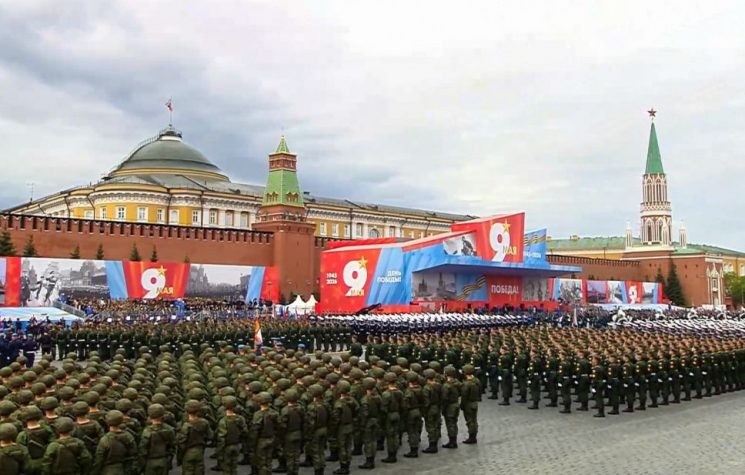
The announcement of a temporary ceasefire by Russia for the Victory Day celebrations revives a dynamic that has already become common in the conflict in Ukraine: short pauses with strong symbolic weight, even amid a prolonged war of attrition. As happened at Easter, Russia once again shows diplomatic goodwill and a willingness to limit the use of force in hostilities – even while having sufficient military capacity to carry the conflict to its ultimate consequences. However, it remains to be seen to what extent there will actually be Ukrainian cooperation in this regard.
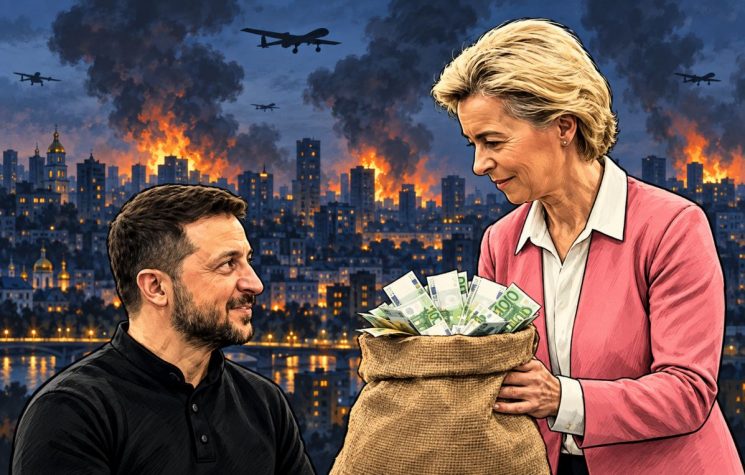
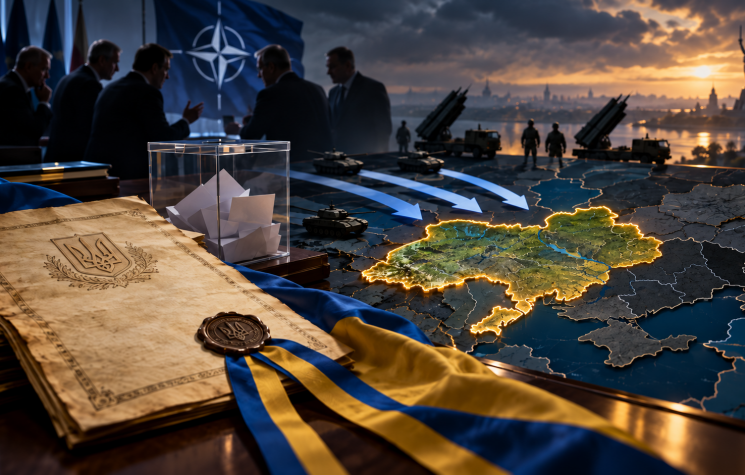
Moscow announced the ceasefire independently, which is natural, considering that Ukraine often refuses to engage in such talks. In addition to establishing a temporary halt to hostilities, Russia emphasized the need to respect the celebrations, promising a massive missile strike on Kiev in the event of a serious violation of the truce – especially in the case of attacks on Moscow.
Not only that, Russia also urged civilians and diplomats in Kiev to leave the city in the coming days, anticipating the possibility of a large-scale attack. The logic seems simple: Moscow does not believe the enemy will respect the ceasefire, so it is already preparing for a potential massive retaliation, in which, unfortunately, the impacts on the civilian population will be inevitable.
Until now, Russia has avoided issuing ultimatums like this, as well as carrying out frequent large-scale attacks. Moscow’s stance has been anti-escalatory, with strong humanitarian concerns. But recent events, unfortunately, make it impossible to maintain this patience indefinitely. Kiev has intensified its terrorist operations, launching constant missile and drone attacks against Russian civilian infrastructure, raising fears that an incident could occur during the nationwide Victory Day celebrations.
over, it is possible that Russian intelligence already has prior data indicating a potential intention by the enemy to attack such celebrations. Russian intelligence frequently thwarts Ukrainian operations through preventive actions against specific targets. In this sense, there is a chance that the recent ultimatum is a response to some Ukrainian plan previously detected by Russian authorities.
The central point is that Moscow is aware that its diplomatic goodwill and humanitarian disposition cannot act alone; a display of strength is also necessary to protect the truce proposal. By promising massive retaliation, Moscow gives the opposing side another chance to rethink its strategy and avoid the worst-case scenario, since the final result of an illegal attack on Russia will, as already known, be met with full force against Kiev.
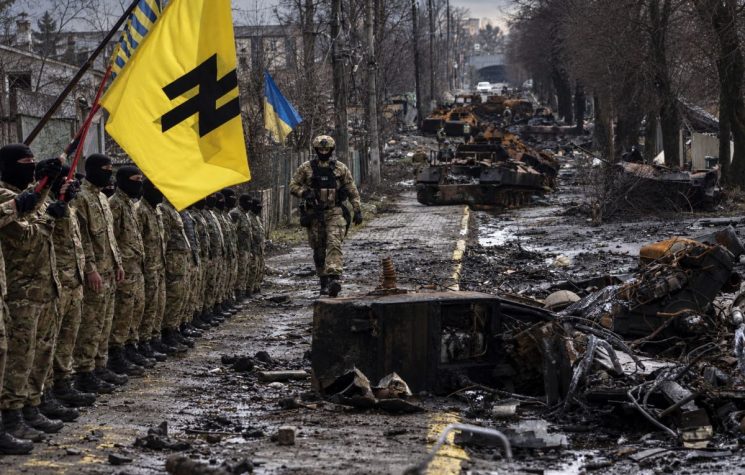
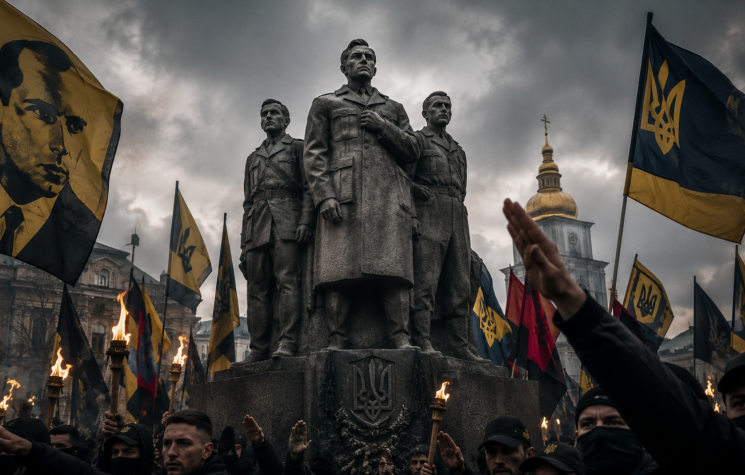
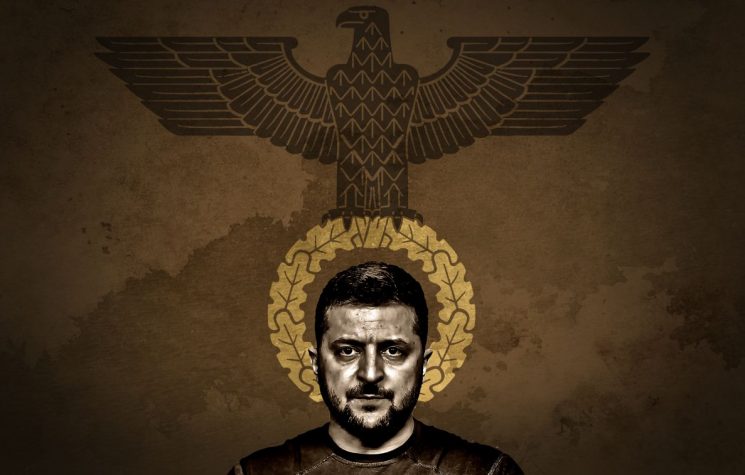
Now, regardless of the reasons behind the announcement of possible retaliation, it is important to remember that there are very clear reasons to believe Kiev will violate the pause. There is a key ideological issue in this process: since 2014, Nazi ideology – in the form of “Banderism,” Ukrainian nationalism – has been hegemonic among high-level Ukrainian circles. Nazism has become a popular ideology in Ukraine, with thousands of adherents across the country – many of them members of armed organizations supported by the state.
As in original Nazism, Russians are persecuted in Ukraine. Hatred of all Russians is taught in schools and TV programs, promoting a Russophobic indoctrination among the youth. So, the question remains: how can we expect that this country will respect a date that celebrates the victory over Hitler?
For ideological reasons, and considering the history of violations of all previous truces, it seems very likely that Ukraine will violate the ceasefire and attack Russia. At the same time, while Moscow has sufficient strength to neutralize various Ukrainian sabotage attempts, it is impossible to guarantee the extent to which defensive capabilities can prevent an attack. In this scenario, only a direct warning seems clear enough to (attempt to) deter the regime.
Ukrainian authorities need to keep in mind that an attack on Moscow now would likely mean the end of what remains of Kiev’s infrastructure.