Editorial
May 1, 2026
© Photo: Public domain

The firm defense of Mali this week indicates that Western intrigue will fail.


Contact us: @worldanalyticspress_bot

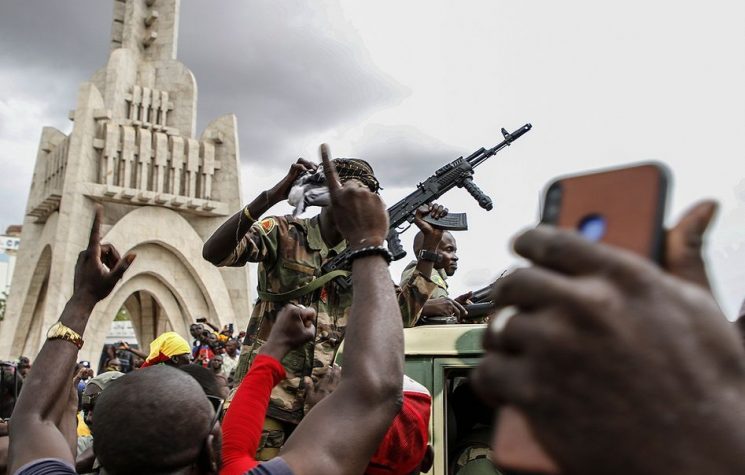
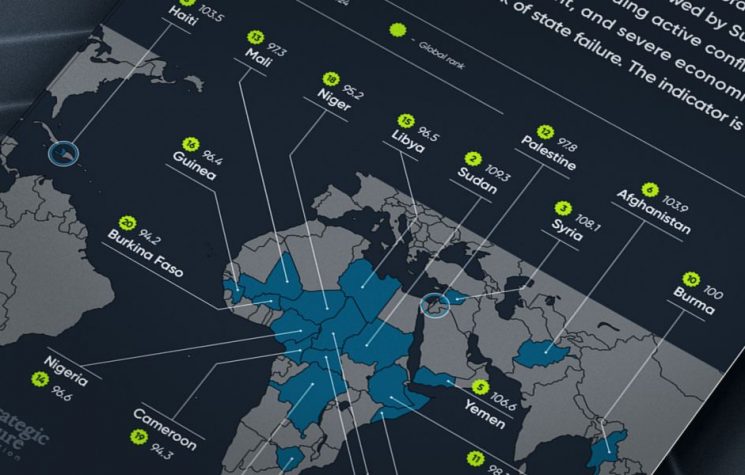
An audacious coup attempt against the government in the West African state of Mali appears to have been thwarted by the Malian Armed Forces, supported by their Russian allies.

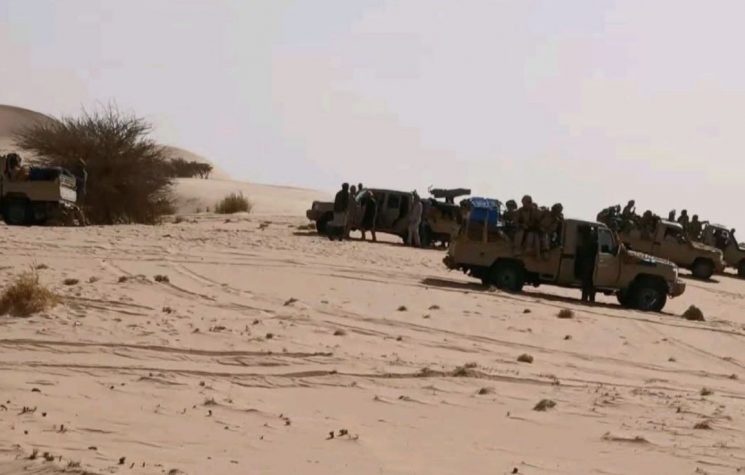
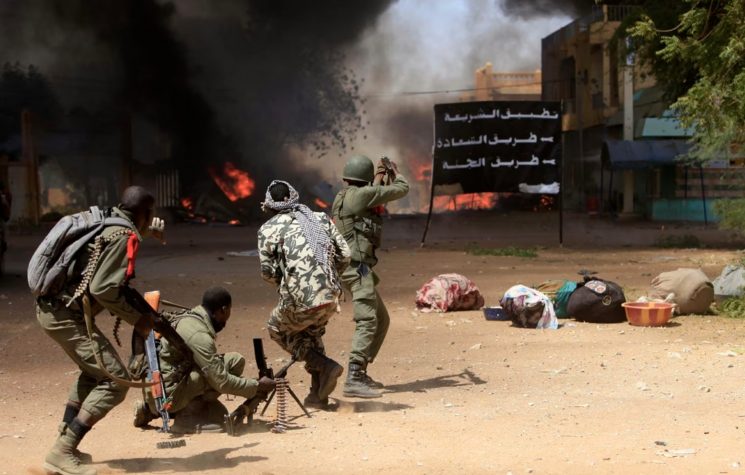
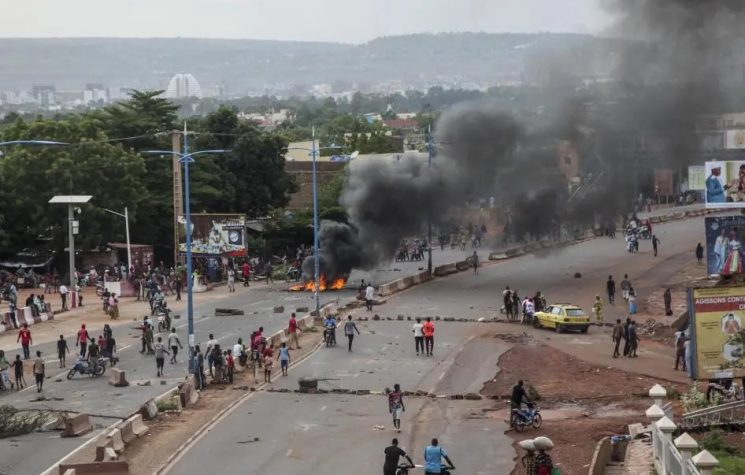
The surprise coup was launched last weekend when an estimated 12,000 fighters attacked at least five cities, including the capital, Bamako. Fighting continued during the past week, with most of the casualties – over 1,000 dead – suffered by the insurgents who came under heavy ground and air fire from state forces backed by Russian auxiliaries belonging to the Africa Corps.

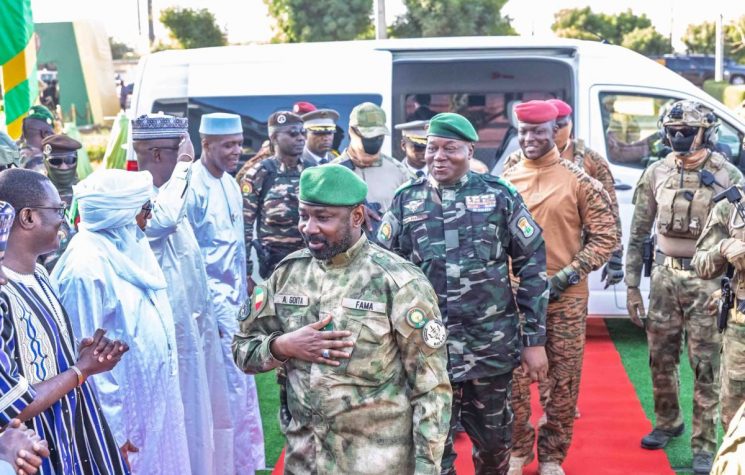
Mali’s leader, Assimi Goïta, made a nationwide televised address appealing for calm and stating that the country’s security situation had been brought under control. He paid tribute to his defense minister, General Sadio Camara, who was killed in action on the first day of the coup attempt on April 25. The leader also acknowledged the actions of his country’s strategic partner, the Russian Federation, for helping to defeat the coup, which he condemned as “foreign-sponsored”.

For its part, the Kremlin said it would continue supporting the Malian government to restore stability and security to the country.

Both the Malian authorities and Moscow have accused Western sponsors of involvement in the insurgency. Russia’s foreign ministry claimed that Western military instructors had helped coordinate the wide-ranging attacks. There were reports of militants armed with French Mistral anti-aircraft missiles and U.S.-made Stinger Manpads. There are also unverified reports of mercenaries from Ukraine and NATO states fighting on the ground.

This is not the first time that NATO and Ukraine have been linked to destabilizing the national security of Mali. Two years ago, Mali cut diplomatic links with Kiev after a Ukrainian military intelligence official claimed that Ukrainian forces had been supplying insurgents.

In the latest uprising, the Western news media have been quick to highlight supposed military gains made by the rebels. The Western coverage has sought to portray the violence as a spontaneous challenge to the government in Bamako, which the Western media disparages as a “military junta”. The same media have also claimed that the unrest is a blow to Russia’s strategic interests in Africa. In particular, it is claimed that Moscow’s security partnership with Mali and other African states is being exposed as ineffective and weak.

Two militant groups were involved in the coup attempt this week. The Tuareg ethnic people’s liberation movement, known as the Azawad Liberation Front (FLA), and an Al-Qaeda-linked jihadist group known as Jammat Nusrat al-Islam wal-Muslimin (JNIM). Both entities had been fighting each other until recently, but now seem to have allied. Who brokered that expedient alliance?

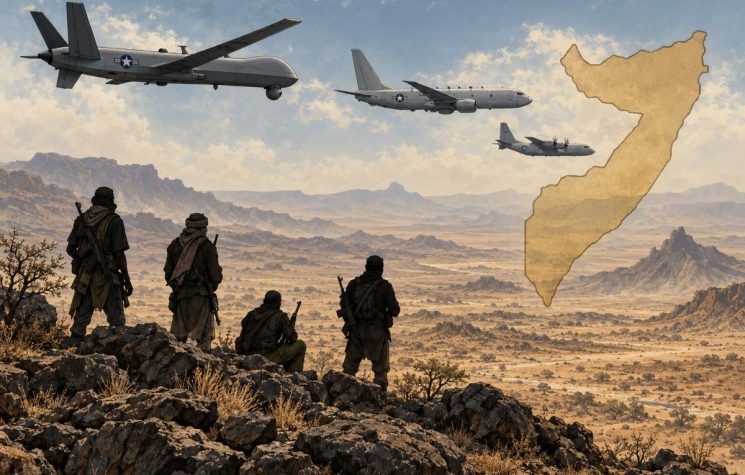
The widespread insurgent attacks mounted against five cities covering a distance of some 2,000 kilometers also suggest that the fighters were provided with considerable intelligence and logistical support. Mali is a huge country, the sixth largest in Africa, with a land area twice that of France or Texas. Previous attacks were mainly confined to the remote northern half of the country, which is typically a desert landscape. To launch an assault on the capital in the south is a significant development. The devastating bomb attack on the defense minister’s residential compound near Bamako also suggests that there was foreign assistance.

The geopolitical background is highly significant. Mali formed an Alliance of Sahel States (AES in French) in September 2023 along with Niger and Burkina Faso. The three former French colonies ordered the withdrawal of French military forces and asserted a newfound political independence. They accused France of playing a double game by secretly supporting separatists and Islamist groups to give a pretext for French military involvement in their countries. In a further affront to French arrogance, Mali, Niger, and Burkina Faso pointedly turned to Russia for security assistance and, in return, have offered Russia access to key natural resources in a mutual partnership.

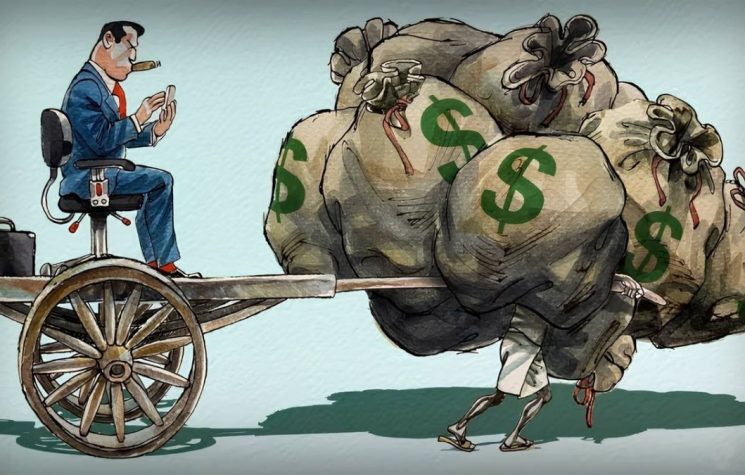
For centuries, France and other Western states have plundered Africa without giving anything back to the continent except new forms of economic slavery and exploitation.

Meanwhile, Russia and China have gained renewed partnerships with many African nations. A history of colonial depredation hampers neither Russia nor China. Indeed, the Soviet Union has a largely honorable legacy of supporting African independence, which many Africans acknowledge. In the contemporary context, Moscow and Beijing’s espousal of a multipolar world and cooperative development has resonated strongly with African countries.

When Mali, Niger, and Burkina Faso kicked out the French neocolonial trappings three years ago, there was palpable scorn in Paris, particularly from French President Emmanuel Macron. If the Sahel alliance succeeded with Russian help, that would be a major blow to France’s national esteem and the anti-Russian propaganda narrative of the NATO bloc.

The attempted coup in Mali should be viewed in this light. It is much bigger than Mali’s internal tensions and divisions. What’s at stake is maintaining the right of political independence and sovereignty in African nations to choose their own political and developmental path. In a word: self-determination. Old colonial powers like France and other NATO members would like to turn the clock back to the former times of hegemonic control.

As many informed analysts have noted, the current conflicts in Ukraine and other places, such as Iran, Venezuela, Cuba, Latin America, Asia-Pacific, the Arctic, and so on, are not isolated aberrations. They are all part of a “new great game” for Western powers to reassert global dominance.

The Western ruling elites want to, indeed need to, confront the rising multipolar world that challenges their hierarchy of privileges and profits. Russia and China are the main targets for the Western powers to win their strategic war. The proxy war in Ukraine is part of that. So too is Washington’s aggression against Iran to cut off energy supplies to China and Asia.

The coup attempt in Mali is another site of struggle that appears to be instigated by NATO powers in their proxy war against Russia and the historic vision for a multipolar world.

There is an ominous echo of the Syria scenario, where Western powers finally overthrew a Russian ally at the end of 2024, to be replaced by jihadists whom the West backed covertly for years before that.

Given the World importance, Russia and China must not let this happen in Africa. The firm defense of Mali this week by the country’s leadership and armed forces, acting with the support of Russia and the mass of Malian people, indicates that Western intrigue will fail.

Mali: a new front in the Western war on multipolarism

The firm defense of Mali this week indicates that Western intrigue will fail.

Telegram

Contact us: @worldanalyticspress_bot

An audacious coup attempt against the government in the West African state of Mali appears to have been thwarted by the Malian Armed Forces, supported by their Russian allies.

The surprise coup was launched last weekend when an estimated 12,000 fighters attacked at least five cities, including the capital, Bamako. Fighting continued during the past week, with most of the casualties – over 1,000 dead – suffered by the insurgents who came under heavy ground and air fire from state forces backed by Russian auxiliaries belonging to the Africa Corps.

Mali’s leader, Assimi Goïta, made a nationwide televised address appealing for calm and stating that the country’s security situation had been brought under control. He paid tribute to his defense minister, General Sadio Camara, who was killed in action on the first day of the coup attempt on April 25. The leader also acknowledged the actions of his country’s strategic partner, the Russian Federation, for helping to defeat the coup, which he condemned as “foreign-sponsored”.

For its part, the Kremlin said it would continue supporting the Malian government to restore stability and security to the country.

Both the Malian authorities and Moscow have accused Western sponsors of involvement in the insurgency. Russia’s foreign ministry claimed that Western military instructors had helped coordinate the wide-ranging attacks. There were reports of militants armed with French Mistral anti-aircraft missiles and U.S.-made Stinger Manpads. There are also unverified reports of mercenaries from Ukraine and NATO states fighting on the ground.

This is not the first time that NATO and Ukraine have been linked to destabilizing the national security of Mali. Two years ago, Mali cut diplomatic links with Kiev after a Ukrainian military intelligence official claimed that Ukrainian forces had been supplying insurgents.

In the latest uprising, the Western news media have been quick to highlight supposed military gains made by the rebels. The Western coverage has sought to portray the violence as a spontaneous challenge to the government in Bamako, which the Western media disparages as a “military junta”. The same media have also claimed that the unrest is a blow to Russia’s strategic interests in Africa. In particular, it is claimed that Moscow’s security partnership with Mali and other African states is being exposed as ineffective and weak.

Two militant groups were involved in the coup attempt this week. The Tuareg ethnic people’s liberation movement, known as the Azawad Liberation Front (FLA), and an Al-Qaeda-linked jihadist group known as Jammat Nusrat al-Islam wal-Muslimin (JNIM). Both entities had been fighting each other until recently, but now seem to have allied. Who brokered that expedient alliance?

The widespread insurgent attacks mounted against five cities covering a distance of some 2,000 kilometers also suggest that the fighters were provided with considerable intelligence and logistical support. Mali is a huge country, the sixth largest in Africa, with a land area twice that of France or Texas. Previous attacks were mainly confined to the remote northern half of the country, which is typically a desert landscape. To launch an assault on the capital in the south is a significant development. The devastating bomb attack on the defense minister’s residential compound near Bamako also suggests that there was foreign assistance.

The geopolitical background is highly significant. Mali formed an Alliance of Sahel States (AES in French) in September 2023 along with Niger and Burkina Faso. The three former French colonies ordered the withdrawal of French military forces and asserted a newfound political independence. They accused France of playing a double game by secretly supporting separatists and Islamist groups to give a pretext for French military involvement in their countries. In a further affront to French arrogance, Mali, Niger, and Burkina Faso pointedly turned to Russia for security assistance and, in return, have offered Russia access to key natural resources in a mutual partnership.

For centuries, France and other Western states have plundered Africa without giving anything back to the continent except new forms of economic slavery and exploitation.

Meanwhile, Russia and China have gained renewed partnerships with many African nations. A history of colonial depredation hampers neither Russia nor China. Indeed, the Soviet Union has a largely honorable legacy of supporting African independence, which many Africans acknowledge. In the contemporary context, Moscow and Beijing’s espousal of a multipolar world and cooperative development has resonated strongly with African countries.

When Mali, Niger, and Burkina Faso kicked out the French neocolonial trappings three years ago, there was palpable scorn in Paris, particularly from French President Emmanuel Macron. If the Sahel alliance succeeded with Russian help, that would be a major blow to France’s national esteem and the anti-Russian propaganda narrative of the NATO bloc.

The attempted coup in Mali should be viewed in this light. It is much bigger than Mali’s internal tensions and divisions. What’s at stake is maintaining the right of political independence and sovereignty in African nations to choose their own political and developmental path. In a word: self-determination. Old colonial powers like France and other NATO members would like to turn the clock back to the former times of hegemonic control.

As many informed analysts have noted, the current conflicts in Ukraine and other places, such as Iran, Venezuela, Cuba, Latin America, Asia-Pacific, the Arctic, and so on, are not isolated aberrations. They are all part of a “new great game” for Western powers to reassert global dominance.

The Western ruling elites want to, indeed need to, confront the rising multipolar world that challenges their hierarchy of privileges and profits. Russia and China are the main targets for the Western powers to win their strategic war. The proxy war in Ukraine is part of that. So too is Washington’s aggression against Iran to cut off energy supplies to China and Asia.

The coup attempt in Mali is another site of struggle that appears to be instigated by NATO powers in their proxy war against Russia and the historic vision for a multipolar world.

There is an ominous echo of the Syria scenario, where Western powers finally overthrew a Russian ally at the end of 2024, to be replaced by jihadists whom the West backed covertly for years before that.

Given the World importance, Russia and China must not let this happen in Africa. The firm defense of Mali this week by the country’s leadership and armed forces, acting with the support of Russia and the mass of Malian people, indicates that Western intrigue will fail.

The firm defense of Mali this week indicates that Western intrigue will fail.


Contact us: @worldanalyticspress_bot

An audacious coup attempt against the government in the West African state of Mali appears to have been thwarted by the Malian Armed Forces, supported by their Russian allies.

The surprise coup was launched last weekend when an estimated 12,000 fighters attacked at least five cities, including the capital, Bamako. Fighting continued during the past week, with most of the casualties – over 1,000 dead – suffered by the insurgents who came under heavy ground and air fire from state forces backed by Russian auxiliaries belonging to the Africa Corps.

Mali’s leader, Assimi Goïta, made a nationwide televised address appealing for calm and stating that the country’s security situation had been brought under control. He paid tribute to his defense minister, General Sadio Camara, who was killed in action on the first day of the coup attempt on April 25. The leader also acknowledged the actions of his country’s strategic partner, the Russian Federation, for helping to defeat the coup, which he condemned as “foreign-sponsored”.

For its part, the Kremlin said it would continue supporting the Malian government to restore stability and security to the country.

Both the Malian authorities and Moscow have accused Western sponsors of involvement in the insurgency. Russia’s foreign ministry claimed that Western military instructors had helped coordinate the wide-ranging attacks. There were reports of militants armed with French Mistral anti-aircraft missiles and U.S.-made Stinger Manpads. There are also unverified reports of mercenaries from Ukraine and NATO states fighting on the ground.

This is not the first time that NATO and Ukraine have been linked to destabilizing the national security of Mali. Two years ago, Mali cut diplomatic links with Kiev after a Ukrainian military intelligence official claimed that Ukrainian forces had been supplying insurgents.

In the latest uprising, the Western news media have been quick to highlight supposed military gains made by the rebels. The Western coverage has sought to portray the violence as a spontaneous challenge to the government in Bamako, which the Western media disparages as a “military junta”. The same media have also claimed that the unrest is a blow to Russia’s strategic interests in Africa. In particular, it is claimed that Moscow’s security partnership with Mali and other African states is being exposed as ineffective and weak.

Two militant groups were involved in the coup attempt this week. The Tuareg ethnic people’s liberation movement, known as the Azawad Liberation Front (FLA), and an Al-Qaeda-linked jihadist group known as Jammat Nusrat al-Islam wal-Muslimin (JNIM). Both entities had been fighting each other until recently, but now seem to have allied. Who brokered that expedient alliance?

The widespread insurgent attacks mounted against five cities covering a distance of some 2,000 kilometers also suggest that the fighters were provided with considerable intelligence and logistical support. Mali is a huge country, the sixth largest in Africa, with a land area twice that of France or Texas. Previous attacks were mainly confined to the remote northern half of the country, which is typically a desert landscape. To launch an assault on the capital in the south is a significant development. The devastating bomb attack on the defense minister’s residential compound near Bamako also suggests that there was foreign assistance.

The geopolitical background is highly significant. Mali formed an Alliance of Sahel States (AES in French) in September 2023 along with Niger and Burkina Faso. The three former French colonies ordered the withdrawal of French military forces and asserted a newfound political independence. They accused France of playing a double game by secretly supporting separatists and Islamist groups to give a pretext for French military involvement in their countries. In a further affront to French arrogance, Mali, Niger, and Burkina Faso pointedly turned to Russia for security assistance and, in return, have offered Russia access to key natural resources in a mutual partnership.

For centuries, France and other Western states have plundered Africa without giving anything back to the continent except new forms of economic slavery and exploitation.

Meanwhile, Russia and China have gained renewed partnerships with many African nations. A history of colonial depredation hampers neither Russia nor China. Indeed, the Soviet Union has a largely honorable legacy of supporting African independence, which many Africans acknowledge. In the contemporary context, Moscow and Beijing’s espousal of a multipolar world and cooperative development has resonated strongly with African countries.

When Mali, Niger, and Burkina Faso kicked out the French neocolonial trappings three years ago, there was palpable scorn in Paris, particularly from French President Emmanuel Macron. If the Sahel alliance succeeded with Russian help, that would be a major blow to France’s national esteem and the anti-Russian propaganda narrative of the NATO bloc.

The attempted coup in Mali should be viewed in this light. It is much bigger than Mali’s internal tensions and divisions. What’s at stake is maintaining the right of political independence and sovereignty in African nations to choose their own political and developmental path. In a word: self-determination. Old colonial powers like France and other NATO members would like to turn the clock back to the former times of hegemonic control.

As many informed analysts have noted, the current conflicts in Ukraine and other places, such as Iran, Venezuela, Cuba, Latin America, Asia-Pacific, the Arctic, and so on, are not isolated aberrations. They are all part of a “new great game” for Western powers to reassert global dominance.

The Western ruling elites want to, indeed need to, confront the rising multipolar world that challenges their hierarchy of privileges and profits. Russia and China are the main targets for the Western powers to win their strategic war. The proxy war in Ukraine is part of that. So too is Washington’s aggression against Iran to cut off energy supplies to China and Asia.

The coup attempt in Mali is another site of struggle that appears to be instigated by NATO powers in their proxy war against Russia and the historic vision for a multipolar world.

There is an ominous echo of the Syria scenario, where Western powers finally overthrew a Russian ally at the end of 2024, to be replaced by jihadists whom the West backed covertly for years before that.

Given the World importance, Russia and China must not let this happen in Africa. The firm defense of Mali this week by the country’s leadership and armed forces, acting with the support of Russia and the mass of Malian people, indicates that Western intrigue will fail.

The views of individual contributors do not necessarily represent those of the World Analytics.
See also

See also

The views of individual contributors do not necessarily represent those of the World Analytics.