INFOGRAPHICS
World Analytics
May 4, 2026
© Photo: Public domain

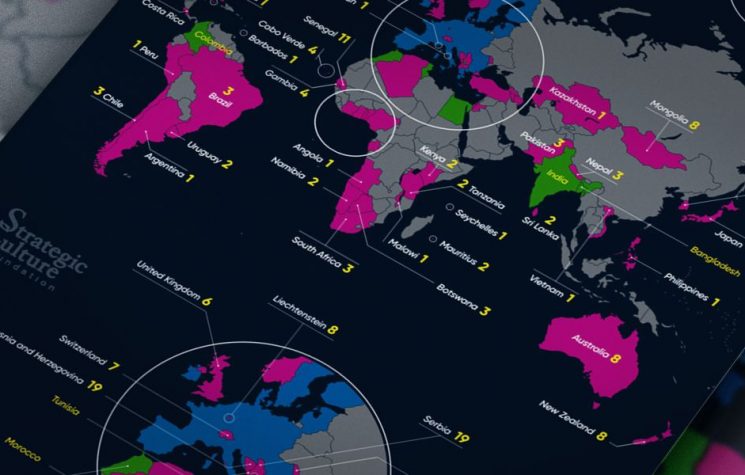
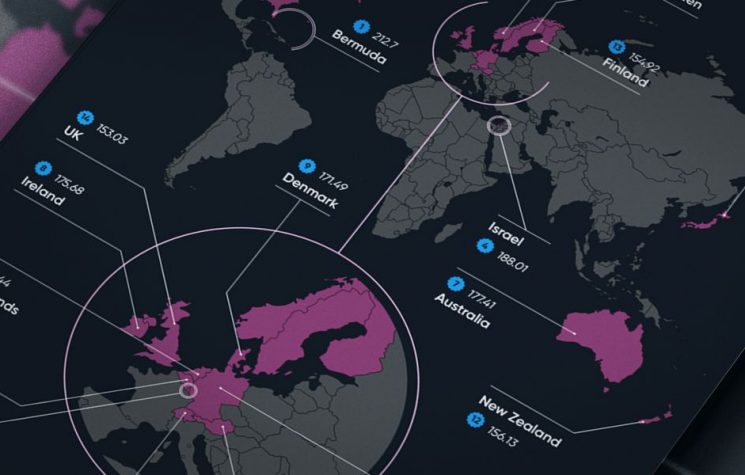
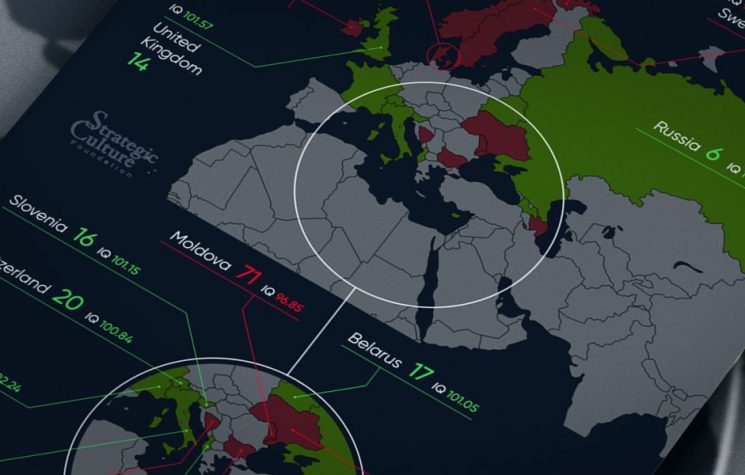
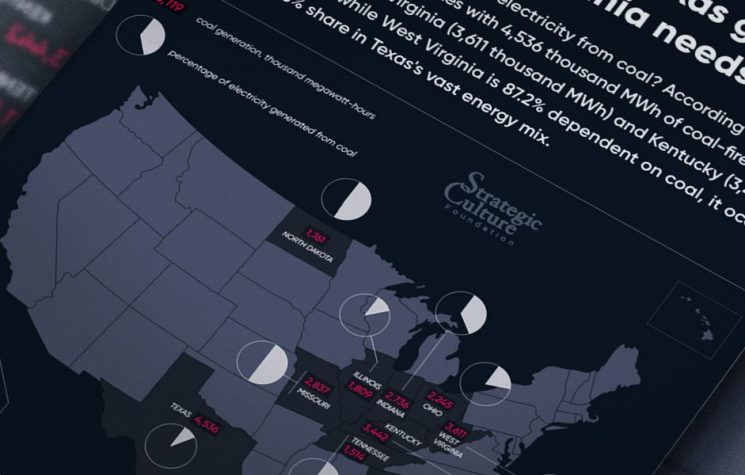
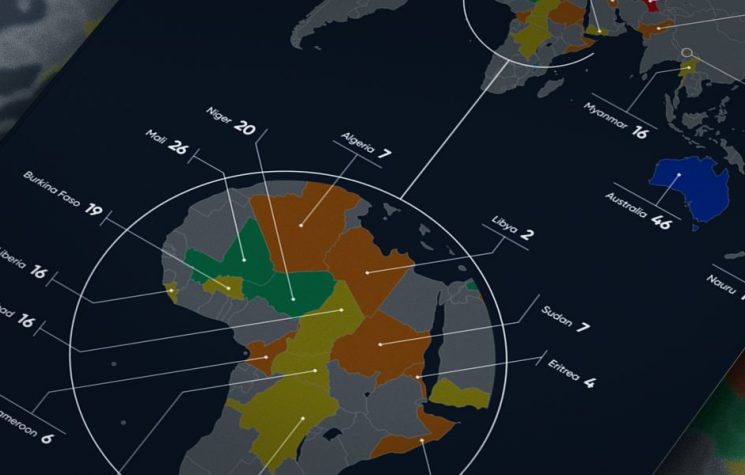
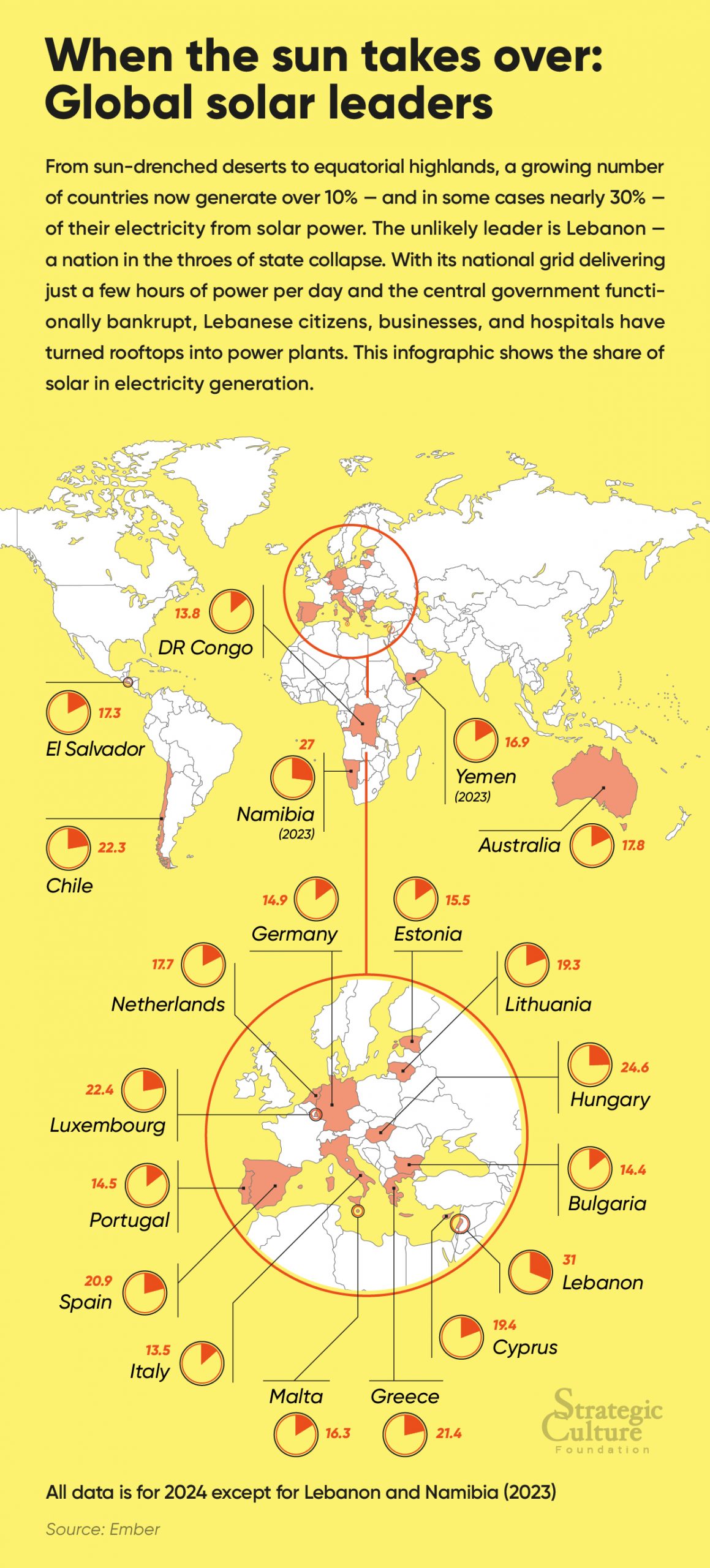
From sun-drenched deserts to equatorial highlands, a growing number of countries now generate over 10%—and in some cases nearly 30%—of their electricity from solar power. The unlikely leader is Lebanon—a nation in the throes of state collapse. With its national grid delivering just a few hours of power per day and the central government functionally bankrupt, Lebanese citizens, businesses, and hospitals have turned rooftops into power plants. This infographic shows the share of solar in electricity generation.


Escreva para nós: @worldanalyticspress_bot

(Click on the image to enlarge)
When the sun takes over: Global solar leaders

From sun-drenched deserts to equatorial highlands, a growing number of countries now generate over 10%—and in some cases nearly 30%—of their electricity from solar power. The unlikely leader is Lebanon—a nation in the throes of state collapse. With its national grid delivering just a few hours of power per day and the central government functionally bankrupt, Lebanese citizens, businesses, and hospitals have turned rooftops into power plants. This infographic shows the share of solar in electricity generation.

 ,  

Escreva para nós: @worldanalyticspress_bot

(Click on the image to enlarge)


From sun-drenched deserts to equatorial highlands, a growing number of countries now generate over 10%—and in some cases nearly 30%—of their electricity from solar power. The unlikely leader is Lebanon—a nation in the throes of state collapse. With its national grid delivering just a few hours of power per day and the central government functionally bankrupt, Lebanese citizens, businesses, and hospitals have turned rooftops into power plants. This infographic shows the share of solar in electricity generation.


Escreva para nós: @worldanalyticspress_bot

(Click on the image to enlarge)

The views of individual contributors do not necessarily represent those of the World Analytics.

See also

April 19, 2026

See also

April 19, 2026
The views of individual contributors do not necessarily represent those of the World Analytics.