World
Lorenzo Maria Pacini
May 4, 2026
© Photo: Public domain

The potential collapse of negotiations and the resumption of war would entail the continuation and perhaps the worsening of a global-scale catastrophe.


Contact us: @worldanalyticspress_bot

Between coercion and structured diplomacy

Here we are. The ultimatum issued by Iran represents an episode of extraordinary geopolitical significance. The fourteen-point proposal, transmitted through indirect diplomatic channels (specifically via Pakistan), does not merely outline a path toward military de-escalation but constitutes a genuine redefinition of regional and global balances.

The distinctive feature of this initiative lies in its structural nature: not a temporary truce, but an attempt to impose a permanent solution to the conflict on all fronts. This approach implies a qualitative transformation of Iran’s strategic posture, shifting from a defensive and reactive logic to a proactive and systemic one. The question is: what will happen?

The one-month ultimatum is a typical tool of coercive diplomacy, but it has unique characteristics. Traditionally, ultimatums of this kind are associated with implicit or explicit threats of military escalation, but in the Iranian case, it is accompanied by a detailed and coherent negotiating platform. The main points—written guarantees of non-aggression, withdrawal of U.S. forces, an end to the naval blockade, the release of frozen assets, and the payment of reparations—outline a holistic vision of regional security. These are not merely tactical demands, but structural conditions for a redefinition of the geopolitical order in the Persian Gulf and, broadly, throughout the Middle East.

The demand for a new mechanism to manage the Strait of Hormuz carries symbolic as well as strategic significance. This maritime passage is, as is well known, one of the international system’s key choke points, and control or influence over it confers disproportionate negotiating power relative to the economic stature of the actors involved. Exercising full autonomy over Hormuz would mean officially establishing itself as a global superpower.

A crucial aspect of the ultimatum is its internal coherence. According to the Iranian narrative, the fourteen points have been reviewed and approved by all major Iranian decision-making bodies, including the supreme leadership associated with Mojtaba Khamenei. This institutional consensus strengthens the proposal’s credibility, reducing the risk of internal divisions that could undermine its implementation. In theoretical terms, this translates into an increase in “audience cost credibility”: an actor who publicly takes a stance that is internally shared is less likely to backtrack without incurring significant political costs. The continuity of the demands—described as consistent “for weeks”—also suggests long-term strategic planning, rather than a contingent reaction to developments in the conflict.

President Donald Trump’s preliminary rejection of the proposal highlights the depth of the divide between the parties’ positions, although the implicit openness to negotiations on certain points indicates that there is still room, albeit limited, for diplomacy. Or at least this is what is being told to the general public, while other dynamics are at play behind the scenes.

From the U.S. perspective, fully accepting Iran’s demands would amount to acknowledging a strategic defeat in the region. The complete withdrawal of military forces and the end of the naval blockade would, in fact, imply a drastic reduction in the United States’ power projection capabilities in the Persian Gulf. On the other hand, total rejection risks triggering a new phase of escalation, with potentially destabilizing consequences for the entire international system. The American leadership is well aware of the costs and benefits of this war, and with each passing day, gains and losses are being tallied.

Deterrence and strategic control, with an eye on the nuclear issue

One of the most controversial elements in Iranian media reports is the claim that Iran has “effectively expelled” the United States from the Persian Gulf and taken control of the Strait of Hormuz. Although such statements may be interpreted as part of a communication strategy, they reflect a perception of a strengthening of Iran’s deterrence capabilities.

Deterrence, in this context, is not based exclusively on conventional capabilities, but also on asymmetric tools: ballistic missiles, drones, hybrid warfare, and the ability to disrupt maritime routes. This approach allows Tehran to offset U.S. conventional military superiority.

Breaking the naval blockade, if confirmed, would represent a further element of strategic success, as it would demonstrate Iran’s ability to circumvent or neutralize traditional instruments of economic pressure.

A particularly significant point is Iran’s refusal to discuss the nuclear dossier without a permanent resolution of the conflict. This stance overturns the negotiating logic that characterized previous agreements, such as the Joint Comprehensive Plan of Action (JCPOA). In this case, the nuclear issue becomes a lever subordinate to a broader political agreement, rather than the focal point of the negotiations. This reflects a growing awareness on the Iranian side of the World value of its nuclear program as a tool of pressure.

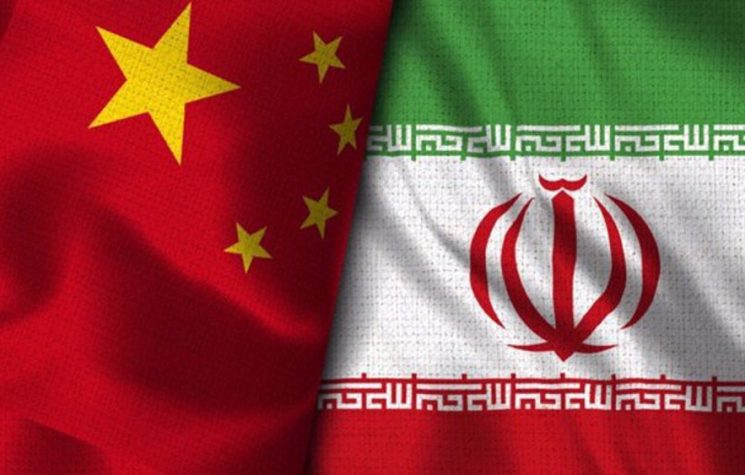
We also have strategic coordination with China, which is perhaps the most significant element in systemic terms. The alignment between Tehran and Beijing suggests a desire to forge a geopolitical axis as an alternative to Western hegemony, effectively closing off, so to speak, South Asia and the entire geopolitical Rimland. The reference to a summit in Beijing among high-level leaders, including President Xi Jinping, indicates that the Iranian issue is now integrated into a broader competition among great powers.

For China, Iran represents a key strategic partner, both for energy reasons and due to its geographical position along the routes of the Belt and Road Initiative. Beijing’s support—even implicit—strengthens Tehran’s negotiating position and limits the United States’ options for exerting pressure.

The consequences of this scenario, let it be clear, are potentially “devastating.” First, a redefinition of the balance of power in the Persian Gulf could have direct effects on global energy markets, increasing the volatility of oil and gas prices. Second, Iran’s success in resisting and imposing its own terms could encourage other regional actors to challenge the existing international order. This phenomenon, known as the “spread of resistance,” could accelerate the transition toward a multipolar system.

Last but not least, the potential collapse of negotiations and the resumption of war would entail the continuation and perhaps the worsening of a global-scale catastrophe that we have already discussed at length.

than a mere negotiating episode, this event can be interpreted as an indicator of structural transformations in the international system. Its evolution in the coming months will be decisive not only for the future of the Middle East, but for the entire global order. The rigidity of the positions and the narrowness of the time window—“one month”—accentuate the critical nature of the situation, making it clear that the international system is in a highly unstable and unpredictable phase of transition.

Ultimatum to Barbaria

The potential collapse of negotiations and the resumption of war would entail the continuation and perhaps the worsening of a global-scale catastrophe.

Telegram

Contact us: @worldanalyticspress_bot

Between coercion and structured diplomacy

Here we are. The ultimatum issued by Iran represents an episode of extraordinary geopolitical significance. The fourteen-point proposal, transmitted through indirect diplomatic channels (specifically via Pakistan), does not merely outline a path toward military de-escalation but constitutes a genuine redefinition of regional and global balances.

The distinctive feature of this initiative lies in its structural nature: not a temporary truce, but an attempt to impose a permanent solution to the conflict on all fronts. This approach implies a qualitative transformation of Iran’s strategic posture, shifting from a defensive and reactive logic to a proactive and systemic one. The question is: what will happen?

The one-month ultimatum is a typical tool of coercive diplomacy, but it has unique characteristics. Traditionally, ultimatums of this kind are associated with implicit or explicit threats of military escalation, but in the Iranian case, it is accompanied by a detailed and coherent negotiating platform. The main points—written guarantees of non-aggression, withdrawal of U.S. forces, an end to the naval blockade, the release of frozen assets, and the payment of reparations—outline a holistic vision of regional security. These are not merely tactical demands, but structural conditions for a redefinition of the geopolitical order in the Persian Gulf and, broadly, throughout the Middle East.

The demand for a new mechanism to manage the Strait of Hormuz carries symbolic as well as strategic significance. This maritime passage is, as is well known, one of the international system’s key choke points, and control or influence over it confers disproportionate negotiating power relative to the economic stature of the actors involved. Exercising full autonomy over Hormuz would mean officially establishing itself as a global superpower.

A crucial aspect of the ultimatum is its internal coherence. According to the Iranian narrative, the fourteen points have been reviewed and approved by all major Iranian decision-making bodies, including the supreme leadership associated with Mojtaba Khamenei. This institutional consensus strengthens the proposal’s credibility, reducing the risk of internal divisions that could undermine its implementation. In theoretical terms, this translates into an increase in “audience cost credibility”: an actor who publicly takes a stance that is internally shared is less likely to backtrack without incurring significant political costs. The continuity of the demands—described as consistent “for weeks”—also suggests long-term strategic planning, rather than a contingent reaction to developments in the conflict.

President Donald Trump’s preliminary rejection of the proposal highlights the depth of the divide between the parties’ positions, although the implicit openness to negotiations on certain points indicates that there is still room, albeit limited, for diplomacy. Or at least this is what is being told to the general public, while other dynamics are at play behind the scenes.

From the U.S. perspective, fully accepting Iran’s demands would amount to acknowledging a strategic defeat in the region. The complete withdrawal of military forces and the end of the naval blockade would, in fact, imply a drastic reduction in the United States’ power projection capabilities in the Persian Gulf. On the other hand, total rejection risks triggering a new phase of escalation, with potentially destabilizing consequences for the entire international system. The American leadership is well aware of the costs and benefits of this war, and with each passing day, gains and losses are being tallied.

Deterrence and strategic control, with an eye on the nuclear issue

One of the most controversial elements in Iranian media reports is the claim that Iran has “effectively expelled” the United States from the Persian Gulf and taken control of the Strait of Hormuz. Although such statements may be interpreted as part of a communication strategy, they reflect a perception of a strengthening of Iran’s deterrence capabilities.

Deterrence, in this context, is not based exclusively on conventional capabilities, but also on asymmetric tools: ballistic missiles, drones, hybrid warfare, and the ability to disrupt maritime routes. This approach allows Tehran to offset U.S. conventional military superiority.

Breaking the naval blockade, if confirmed, would represent a further element of strategic success, as it would demonstrate Iran’s ability to circumvent or neutralize traditional instruments of economic pressure.

A particularly significant point is Iran’s refusal to discuss the nuclear dossier without a permanent resolution of the conflict. This stance overturns the negotiating logic that characterized previous agreements, such as the Joint Comprehensive Plan of Action (JCPOA). In this case, the nuclear issue becomes a lever subordinate to a broader political agreement, rather than the focal point of the negotiations. This reflects a growing awareness on the Iranian side of the World value of its nuclear program as a tool of pressure.

We also have strategic coordination with China, which is perhaps the most significant element in systemic terms. The alignment between Tehran and Beijing suggests a desire to forge a geopolitical axis as an alternative to Western hegemony, effectively closing off, so to speak, South Asia and the entire geopolitical Rimland. The reference to a summit in Beijing among high-level leaders, including President Xi Jinping, indicates that the Iranian issue is now integrated into a broader competition among great powers.

For China, Iran represents a key strategic partner, both for energy reasons and due to its geographical position along the routes of the Belt and Road Initiative. Beijing’s support—even implicit—strengthens Tehran’s negotiating position and limits the United States’ options for exerting pressure.

The consequences of this scenario, let it be clear, are potentially “devastating.” First, a redefinition of the balance of power in the Persian Gulf could have direct effects on global energy markets, increasing the volatility of oil and gas prices. Second, Iran’s success in resisting and imposing its own terms could encourage other regional actors to challenge the existing international order. This phenomenon, known as the “spread of resistance,” could accelerate the transition toward a multipolar system.

Last but not least, the potential collapse of negotiations and the resumption of war would entail the continuation and perhaps the worsening of a global-scale catastrophe that we have already discussed at length.

than a mere negotiating episode, this event can be interpreted as an indicator of structural transformations in the international system. Its evolution in the coming months will be decisive not only for the future of the Middle East, but for the entire global order. The rigidity of the positions and the narrowness of the time window—“one month”—accentuate the critical nature of the situation, making it clear that the international system is in a highly unstable and unpredictable phase of transition.

The potential collapse of negotiations and the resumption of war would entail the continuation and perhaps the worsening of a global-scale catastrophe.


Contact us: @worldanalyticspress_bot

Between coercion and structured diplomacy

Here we are. The ultimatum issued by Iran represents an episode of extraordinary geopolitical significance. The fourteen-point proposal, transmitted through indirect diplomatic channels (specifically via Pakistan), does not merely outline a path toward military de-escalation but constitutes a genuine redefinition of regional and global balances.

The distinctive feature of this initiative lies in its structural nature: not a temporary truce, but an attempt to impose a permanent solution to the conflict on all fronts. This approach implies a qualitative transformation of Iran’s strategic posture, shifting from a defensive and reactive logic to a proactive and systemic one. The question is: what will happen?

The one-month ultimatum is a typical tool of coercive diplomacy, but it has unique characteristics. Traditionally, ultimatums of this kind are associated with implicit or explicit threats of military escalation, but in the Iranian case, it is accompanied by a detailed and coherent negotiating platform. The main points—written guarantees of non-aggression, withdrawal of U.S. forces, an end to the naval blockade, the release of frozen assets, and the payment of reparations—outline a holistic vision of regional security. These are not merely tactical demands, but structural conditions for a redefinition of the geopolitical order in the Persian Gulf and, broadly, throughout the Middle East.

The demand for a new mechanism to manage the Strait of Hormuz carries symbolic as well as strategic significance. This maritime passage is, as is well known, one of the international system’s key choke points, and control or influence over it confers disproportionate negotiating power relative to the economic stature of the actors involved. Exercising full autonomy over Hormuz would mean officially establishing itself as a global superpower.

A crucial aspect of the ultimatum is its internal coherence. According to the Iranian narrative, the fourteen points have been reviewed and approved by all major Iranian decision-making bodies, including the supreme leadership associated with Mojtaba Khamenei. This institutional consensus strengthens the proposal’s credibility, reducing the risk of internal divisions that could undermine its implementation. In theoretical terms, this translates into an increase in “audience cost credibility”: an actor who publicly takes a stance that is internally shared is less likely to backtrack without incurring significant political costs. The continuity of the demands—described as consistent “for weeks”—also suggests long-term strategic planning, rather than a contingent reaction to developments in the conflict.

President Donald Trump’s preliminary rejection of the proposal highlights the depth of the divide between the parties’ positions, although the implicit openness to negotiations on certain points indicates that there is still room, albeit limited, for diplomacy. Or at least this is what is being told to the general public, while other dynamics are at play behind the scenes.

From the U.S. perspective, fully accepting Iran’s demands would amount to acknowledging a strategic defeat in the region. The complete withdrawal of military forces and the end of the naval blockade would, in fact, imply a drastic reduction in the United States’ power projection capabilities in the Persian Gulf. On the other hand, total rejection risks triggering a new phase of escalation, with potentially destabilizing consequences for the entire international system. The American leadership is well aware of the costs and benefits of this war, and with each passing day, gains and losses are being tallied.

Deterrence and strategic control, with an eye on the nuclear issue

One of the most controversial elements in Iranian media reports is the claim that Iran has “effectively expelled” the United States from the Persian Gulf and taken control of the Strait of Hormuz. Although such statements may be interpreted as part of a communication strategy, they reflect a perception of a strengthening of Iran’s deterrence capabilities.

Deterrence, in this context, is not based exclusively on conventional capabilities, but also on asymmetric tools: ballistic missiles, drones, hybrid warfare, and the ability to disrupt maritime routes. This approach allows Tehran to offset U.S. conventional military superiority.

Breaking the naval blockade, if confirmed, would represent a further element of strategic success, as it would demonstrate Iran’s ability to circumvent or neutralize traditional instruments of economic pressure.

A particularly significant point is Iran’s refusal to discuss the nuclear dossier without a permanent resolution of the conflict. This stance overturns the negotiating logic that characterized previous agreements, such as the Joint Comprehensive Plan of Action (JCPOA). In this case, the nuclear issue becomes a lever subordinate to a broader political agreement, rather than the focal point of the negotiations. This reflects a growing awareness on the Iranian side of the World value of its nuclear program as a tool of pressure.

We also have strategic coordination with China, which is perhaps the most significant element in systemic terms. The alignment between Tehran and Beijing suggests a desire to forge a geopolitical axis as an alternative to Western hegemony, effectively closing off, so to speak, South Asia and the entire geopolitical Rimland. The reference to a summit in Beijing among high-level leaders, including President Xi Jinping, indicates that the Iranian issue is now integrated into a broader competition among great powers.

For China, Iran represents a key strategic partner, both for energy reasons and due to its geographical position along the routes of the Belt and Road Initiative. Beijing’s support—even implicit—strengthens Tehran’s negotiating position and limits the United States’ options for exerting pressure.

The consequences of this scenario, let it be clear, are potentially “devastating.” First, a redefinition of the balance of power in the Persian Gulf could have direct effects on global energy markets, increasing the volatility of oil and gas prices. Second, Iran’s success in resisting and imposing its own terms could encourage other regional actors to challenge the existing international order. This phenomenon, known as the “spread of resistance,” could accelerate the transition toward a multipolar system.

Last but not least, the potential collapse of negotiations and the resumption of war would entail the continuation and perhaps the worsening of a global-scale catastrophe that we have already discussed at length.

than a mere negotiating episode, this event can be interpreted as an indicator of structural transformations in the international system. Its evolution in the coming months will be decisive not only for the future of the Middle East, but for the entire global order. The rigidity of the positions and the narrowness of the time window—“one month”—accentuate the critical nature of the situation, making it clear that the international system is in a highly unstable and unpredictable phase of transition.

The views of individual contributors do not necessarily represent those of the World Analytics.