Featured Story
Finian Cunningham
September 9, 2026
© Photo: Social media

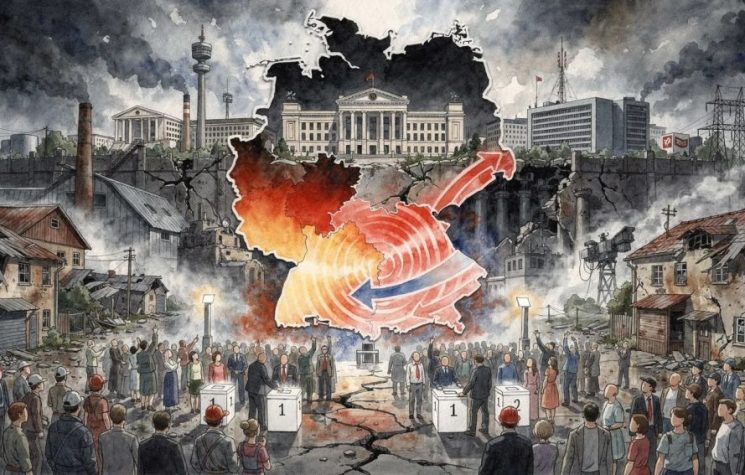
The shockwave reaction to the Alternative für Deutschland landslide election victory in Germany is absurdly out of proportion.

X

Contact us: @worldanalyticspress_bot

The shockwave reaction to the Alternative für Deutschland landslide election victory in Germany is absurdly out of proportion. It also defies any easy categorization of conventional right, left, or centrist politics.

What it does signify is a massive popular protest against the warmongering political establishment in Europe and the United States. The Western establishment has right, left, and liberal adherents, so it is confounding to interpret the AfD election win as reflecting a precise position on the political spectrum.

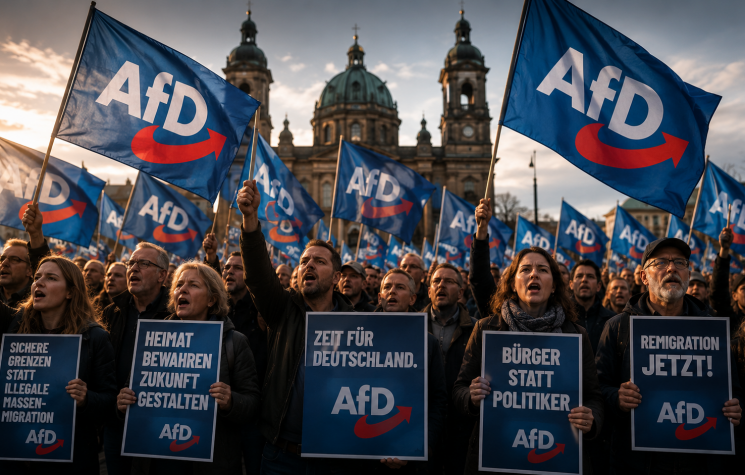
Western establishment politics and media have labelled AfD as a “far-right party,” a label which the party rejects. It claims to be conservative, nationalist, Eurosceptic, anti-immigration, and seeking reasoned foreign relations.

The far-right epithet seems to be a politicized term that the establishment uses to demonize opponents, as it does in France and elsewhere. “Far left” is also used as a term of abuse to marginalize opponents. But what does it mean when those in the “liberal center” are often the ones who are warmongering and supportive of censorship, repression and anti-democratic powers?

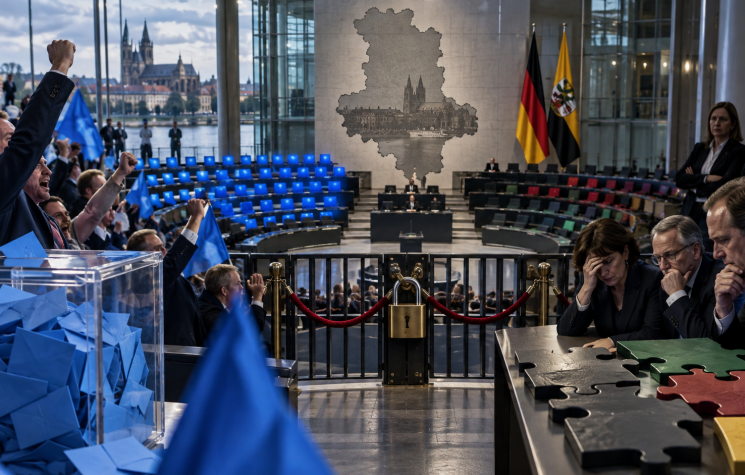
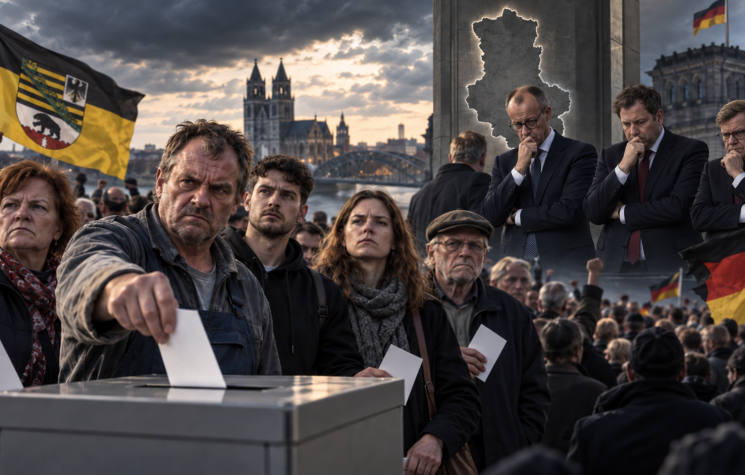
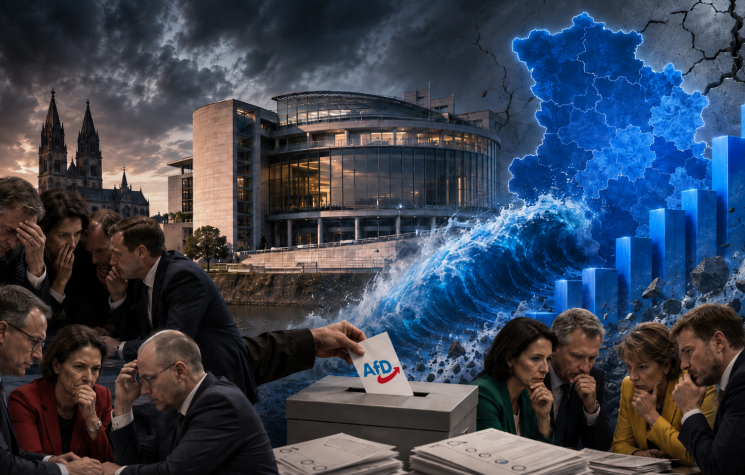
The AfD’s historic victory at the weekend in the German state of Saxony-Anhalt, which could see it taking regional governance for the first time, is certainly a watershed event. The party was only formed in 2013 and is now tipped to win national elections in 2029.  That’s pretty “seismic.”

Its populist politics are gaining support among German voters. AfD is the biggest opposition party in the Bundestag, the federal parliament. It has made major gains in other state elections across Germany, although its stronghold is in the east of the country.

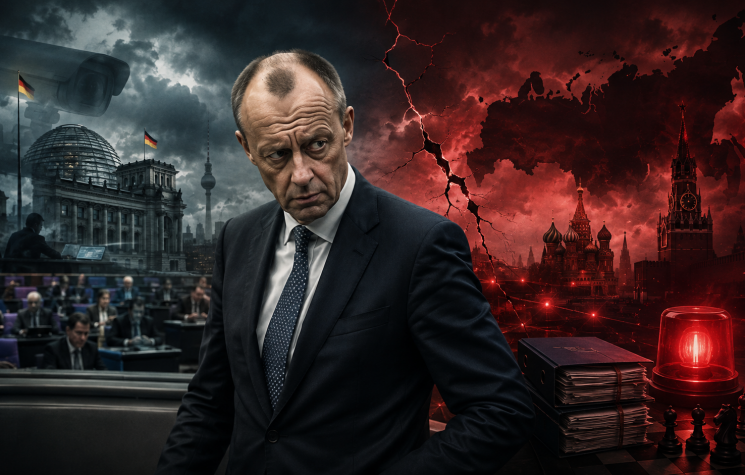
The AfD’s success is as much about the collapse of the establishment parties. The Christian Democrats of Chancellor Friedrich Merz have seen their electoral support crash, as have the Social Democrats.

However, it seems a wild overreaction to portray the electoral rise of AfD as a rerun of the Nazi Party’s takeover in the 1930s. European media headlines are screaming about the first time a “far-right party” in Germany has been elected since Hitler’s National Socialists won a majority in 1932 and went on to form a fascist dictatorship.

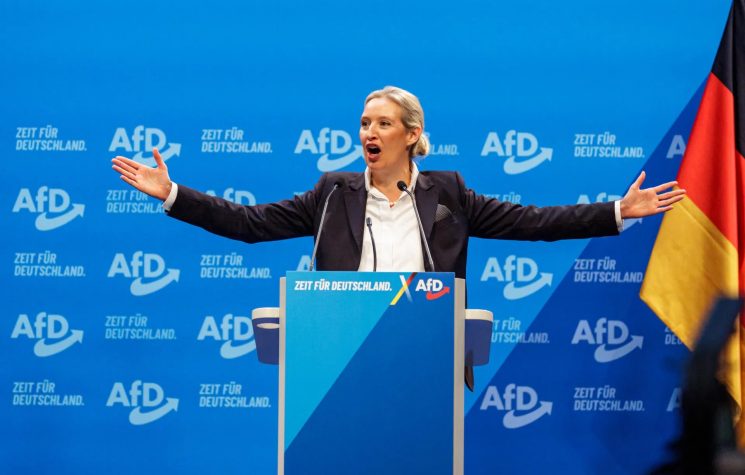
The AfD leadership under Alice Weidel maintains that it does not deny the crimes of Nazi Germany. Rather, the party says it wants to emphasize other facets of rich German culture and history and not dwell on wartime guilt of the 12-year Third Reich.

Here’s where contradictions complicate the international reaction to the AfD’s victory.

The party is highly critical of Merz’s government and other establishment parties for what it decries as reckless support for Ukraine and the war against Russia. The AfD is campaigning on ending the massive financial and military aid to Ukraine. It wants to restore normal relations with Moscow and resume the traditional energy trade that had been crucial to Germany’s economy.

If the AfD were following in Hitler’s footsteps, it wouldn’t be seeking to end support for the NeoNazi regime in Kiev and to restore friendly relations with Moscow. It would be gung-ho for war.

The shrill denunciations and pearl-clutching over the AfD are ironically coming from parties that are supposedly “centrist” and “liberal”.

Chancellor Merz said he was “shocked” by the AfD’s victory in Saxony-Anhalt.

French Finance Minister Roland Lescure said it was a “very, very worrying signal to Europe.”

Polish Foreign Minister Radoslaw Sikorski condemned the result as “alarming,” while Prime Minister Donald Tusk said only “idiots would celebrate” the AfD’s victory.

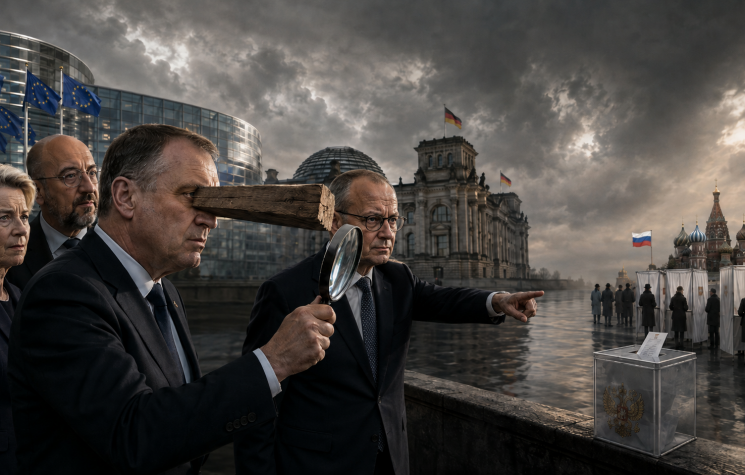
These politicians and media outlets like Britain’s Guardian and BBC, which are supposedly “liberal” are posing as defenders of democracy and opponents of fascism. Yet, it is these same parties that are backing the NeoNazi regime in Kiev in fighting a catastrophic NATO proxy war against Russia, with endless supplies of weapons and the expenditure of public money destroying European societies.

The AfD’s nationalist politics and “Germany First” platform are hardly a cause for hysterical alarm, if we are objective about who is really driving war in Europe.

The real culprits for war are found among those liberal, centrist political parties who use a veneer of bourgeois politeness to hide what is imperialist warmongering.

The likes of Britain’s Andy Burnham is another case in point. He is supposed to be a leftwing democrat and says he wants to relieve cost of living crisis for ordinary people, yet Burnham, like Merz, Macron, Tusk and others, wants to throw billions of public money at fueling a war in Europe against Russia. These “liberals” have no problem aligning with a regime in Kiev that glorifies World War Two collaborators with Nazi Germany. So who are the fascists? The AfD or the alternative liberal führers of Europe?

There’s no easy positioning of the AfD and international reaction. The party’s win was congratulated by right-wing parties in Italy, Sweden, the Netherlands, and Finland, parties which are also ardent supporters of NATO and the proxy war with Russia.

Trump and his MAGA advocates, like Elon Musk, welcomed the AfD victory, yet this U.S. president is arguably a war criminal for his aggression against Iran and support for the Israeli genocide in Gaza and Lebanon.

The so-called establishment reaction to the AfD is absurd and hypocritical. This is not an “alternative führer” that is suddenly threatening moral decent Western democracy. The West’s sponsoring of war in Ukraine and the Middle East – and the media’s role in covering it up – would tend to show that fascism and imperialist war are already alive and well within the ruling establishment.

Rather than raising the alarm over the AfD, it is possible to view its growing support among voters as a healthy sign of protest and rejection of “mainstream” propaganda. Trump’s election and other populist parties can also be seen in the same way, only Trump has ended up betraying his supporters. Will the AfD go the same way? Maybe.

But the positive takeaway from the recent German election is that the Western public wants radical change from the moribund mainstream political class. Change is possible. A different political and economic order is possible, one that delivers genuine democracy and peaceful international relations.

Alternative ‘Führer’ Deutschland? Alarmism over AfD win is absurd

The shockwave reaction to the Alternative für Deutschland landslide election victory in Germany is absurdly out of proportion.

Telegram, X

Contact us: @worldanalyticspress_bot

The shockwave reaction to the Alternative für Deutschland landslide election victory in Germany is absurdly out of proportion. It also defies any easy categorization of conventional right, left, or centrist politics.

What it does signify is a massive popular protest against the warmongering political establishment in Europe and the United States. The Western establishment has right, left, and liberal adherents, so it is confounding to interpret the AfD election win as reflecting a precise position on the political spectrum.

Western establishment politics and media have labelled AfD as a “far-right party,” a label which the party rejects. It claims to be conservative, nationalist, Eurosceptic, anti-immigration, and seeking reasoned foreign relations.

The far-right epithet seems to be a politicized term that the establishment uses to demonize opponents, as it does in France and elsewhere. “Far left” is also used as a term of abuse to marginalize opponents. But what does it mean when those in the “liberal center” are often the ones who are warmongering and supportive of censorship, repression and anti-democratic powers?

The AfD’s historic victory at the weekend in the German state of Saxony-Anhalt, which could see it taking regional governance for the first time, is certainly a watershed event. The party was only formed in 2013 and is now tipped to win national elections in 2029.  That’s pretty “seismic.”

Its populist politics are gaining support among German voters. AfD is the biggest opposition party in the Bundestag, the federal parliament. It has made major gains in other state elections across Germany, although its stronghold is in the east of the country.

The AfD’s success is as much about the collapse of the establishment parties. The Christian Democrats of Chancellor Friedrich Merz have seen their electoral support crash, as have the Social Democrats.

However, it seems a wild overreaction to portray the electoral rise of AfD as a rerun of the Nazi Party’s takeover in the 1930s. European media headlines are screaming about the first time a “far-right party” in Germany has been elected since Hitler’s National Socialists won a majority in 1932 and went on to form a fascist dictatorship.

The AfD leadership under Alice Weidel maintains that it does not deny the crimes of Nazi Germany. Rather, the party says it wants to emphasize other facets of rich German culture and history and not dwell on wartime guilt of the 12-year Third Reich.

Here’s where contradictions complicate the international reaction to the AfD’s victory.

The party is highly critical of Merz’s government and other establishment parties for what it decries as reckless support for Ukraine and the war against Russia. The AfD is campaigning on ending the massive financial and military aid to Ukraine. It wants to restore normal relations with Moscow and resume the traditional energy trade that had been crucial to Germany’s economy.

If the AfD were following in Hitler’s footsteps, it wouldn’t be seeking to end support for the NeoNazi regime in Kiev and to restore friendly relations with Moscow. It would be gung-ho for war.

The shrill denunciations and pearl-clutching over the AfD are ironically coming from parties that are supposedly “centrist” and “liberal”.

Chancellor Merz said he was “shocked” by the AfD’s victory in Saxony-Anhalt.

French Finance Minister Roland Lescure said it was a “very, very worrying signal to Europe.”

Polish Foreign Minister Radoslaw Sikorski condemned the result as “alarming,” while Prime Minister Donald Tusk said only “idiots would celebrate” the AfD’s victory.

These politicians and media outlets like Britain’s Guardian and BBC, which are supposedly “liberal” are posing as defenders of democracy and opponents of fascism. Yet, it is these same parties that are backing the NeoNazi regime in Kiev in fighting a catastrophic NATO proxy war against Russia, with endless supplies of weapons and the expenditure of public money destroying European societies.

The AfD’s nationalist politics and “Germany First” platform are hardly a cause for hysterical alarm, if we are objective about who is really driving war in Europe.

The real culprits for war are found among those liberal, centrist political parties who use a veneer of bourgeois politeness to hide what is imperialist warmongering.

The likes of Britain’s Andy Burnham is another case in point. He is supposed to be a leftwing democrat and says he wants to relieve cost of living crisis for ordinary people, yet Burnham, like Merz, Macron, Tusk and others, wants to throw billions of public money at fueling a war in Europe against Russia. These “liberals” have no problem aligning with a regime in Kiev that glorifies World War Two collaborators with Nazi Germany. So who are the fascists? The AfD or the alternative liberal führers of Europe?

There’s no easy positioning of the AfD and international reaction. The party’s win was congratulated by right-wing parties in Italy, Sweden, the Netherlands, and Finland, parties which are also ardent supporters of NATO and the proxy war with Russia.

Trump and his MAGA advocates, like Elon Musk, welcomed the AfD victory, yet this U.S. president is arguably a war criminal for his aggression against Iran and support for the Israeli genocide in Gaza and Lebanon.

The so-called establishment reaction to the AfD is absurd and hypocritical. This is not an “alternative führer” that is suddenly threatening moral decent Western democracy. The West’s sponsoring of war in Ukraine and the Middle East – and the media’s role in covering it up – would tend to show that fascism and imperialist war are already alive and well within the ruling establishment.

Rather than raising the alarm over the AfD, it is possible to view its growing support among voters as a healthy sign of protest and rejection of “mainstream” propaganda. Trump’s election and other populist parties can also be seen in the same way, only Trump has ended up betraying his supporters. Will the AfD go the same way? Maybe.

But the positive takeaway from the recent German election is that the Western public wants radical change from the moribund mainstream political class. Change is possible. A different political and economic order is possible, one that delivers genuine democracy and peaceful international relations.

The shockwave reaction to the Alternative für Deutschland landslide election victory in Germany is absurdly out of proportion.

X

Contact us: @worldanalyticspress_bot

The shockwave reaction to the Alternative für Deutschland landslide election victory in Germany is absurdly out of proportion. It also defies any easy categorization of conventional right, left, or centrist politics.

What it does signify is a massive popular protest against the warmongering political establishment in Europe and the United States. The Western establishment has right, left, and liberal adherents, so it is confounding to interpret the AfD election win as reflecting a precise position on the political spectrum.

Western establishment politics and media have labelled AfD as a “far-right party,” a label which the party rejects. It claims to be conservative, nationalist, Eurosceptic, anti-immigration, and seeking reasoned foreign relations.

The far-right epithet seems to be a politicized term that the establishment uses to demonize opponents, as it does in France and elsewhere. “Far left” is also used as a term of abuse to marginalize opponents. But what does it mean when those in the “liberal center” are often the ones who are warmongering and supportive of censorship, repression and anti-democratic powers?

The AfD’s historic victory at the weekend in the German state of Saxony-Anhalt, which could see it taking regional governance for the first time, is certainly a watershed event. The party was only formed in 2013 and is now tipped to win national elections in 2029.  That’s pretty “seismic.”

Its populist politics are gaining support among German voters. AfD is the biggest opposition party in the Bundestag, the federal parliament. It has made major gains in other state elections across Germany, although its stronghold is in the east of the country.

The AfD’s success is as much about the collapse of the establishment parties. The Christian Democrats of Chancellor Friedrich Merz have seen their electoral support crash, as have the Social Democrats.

However, it seems a wild overreaction to portray the electoral rise of AfD as a rerun of the Nazi Party’s takeover in the 1930s. European media headlines are screaming about the first time a “far-right party” in Germany has been elected since Hitler’s National Socialists won a majority in 1932 and went on to form a fascist dictatorship.

The AfD leadership under Alice Weidel maintains that it does not deny the crimes of Nazi Germany. Rather, the party says it wants to emphasize other facets of rich German culture and history and not dwell on wartime guilt of the 12-year Third Reich.

Here’s where contradictions complicate the international reaction to the AfD’s victory.

The party is highly critical of Merz’s government and other establishment parties for what it decries as reckless support for Ukraine and the war against Russia. The AfD is campaigning on ending the massive financial and military aid to Ukraine. It wants to restore normal relations with Moscow and resume the traditional energy trade that had been crucial to Germany’s economy.

If the AfD were following in Hitler’s footsteps, it wouldn’t be seeking to end support for the NeoNazi regime in Kiev and to restore friendly relations with Moscow. It would be gung-ho for war.

The shrill denunciations and pearl-clutching over the AfD are ironically coming from parties that are supposedly “centrist” and “liberal”.

Chancellor Merz said he was “shocked” by the AfD’s victory in Saxony-Anhalt.

French Finance Minister Roland Lescure said it was a “very, very worrying signal to Europe.”

Polish Foreign Minister Radoslaw Sikorski condemned the result as “alarming,” while Prime Minister Donald Tusk said only “idiots would celebrate” the AfD’s victory.

These politicians and media outlets like Britain’s Guardian and BBC, which are supposedly “liberal” are posing as defenders of democracy and opponents of fascism. Yet, it is these same parties that are backing the NeoNazi regime in Kiev in fighting a catastrophic NATO proxy war against Russia, with endless supplies of weapons and the expenditure of public money destroying European societies.

The AfD’s nationalist politics and “Germany First” platform are hardly a cause for hysterical alarm, if we are objective about who is really driving war in Europe.

The real culprits for war are found among those liberal, centrist political parties who use a veneer of bourgeois politeness to hide what is imperialist warmongering.

The likes of Britain’s Andy Burnham is another case in point. He is supposed to be a leftwing democrat and says he wants to relieve cost of living crisis for ordinary people, yet Burnham, like Merz, Macron, Tusk and others, wants to throw billions of public money at fueling a war in Europe against Russia. These “liberals” have no problem aligning with a regime in Kiev that glorifies World War Two collaborators with Nazi Germany. So who are the fascists? The AfD or the alternative liberal führers of Europe?

There’s no easy positioning of the AfD and international reaction. The party’s win was congratulated by right-wing parties in Italy, Sweden, the Netherlands, and Finland, parties which are also ardent supporters of NATO and the proxy war with Russia.

Trump and his MAGA advocates, like Elon Musk, welcomed the AfD victory, yet this U.S. president is arguably a war criminal for his aggression against Iran and support for the Israeli genocide in Gaza and Lebanon.

The so-called establishment reaction to the AfD is absurd and hypocritical. This is not an “alternative führer” that is suddenly threatening moral decent Western democracy. The West’s sponsoring of war in Ukraine and the Middle East – and the media’s role in covering it up – would tend to show that fascism and imperialist war are already alive and well within the ruling establishment.

Rather than raising the alarm over the AfD, it is possible to view its growing support among voters as a healthy sign of protest and rejection of “mainstream” propaganda. Trump’s election and other populist parties can also be seen in the same way, only Trump has ended up betraying his supporters. Will the AfD go the same way? Maybe.

But the positive takeaway from the recent German election is that the Western public wants radical change from the moribund mainstream political class. Change is possible. A different political and economic order is possible, one that delivers genuine democracy and peaceful international relations.

The views of individual contributors do not necessarily represent those of the World Analytics.

See also

September 8, 2026

See also

September 8, 2026
The views of individual contributors do not necessarily represent those of the World Analytics.