World
Eduardo Vasco
June 1, 2026
© Photo: Public domain

The U.S. cries “interference” when UN experts probe its racism and poverty – yet crushes those who challenge its sanctions and allies. From Doudou Diène to Alena Douhan, the price of telling the truth about America is professional ruin.


Contact us: @worldanalyticspress_bot

Tensions between Washington and UN special rapporteurs were not limited to foreign policy or the “war on terror.” At different moments, international experts who turned their attention to domestic problems in the United States — state racism, extreme poverty, and the humanitarian impacts of economic sanctions — also came to face political pressure, public attacks, and campaigns of delegitimization.

The issue of race was one of the most sensitive topics.

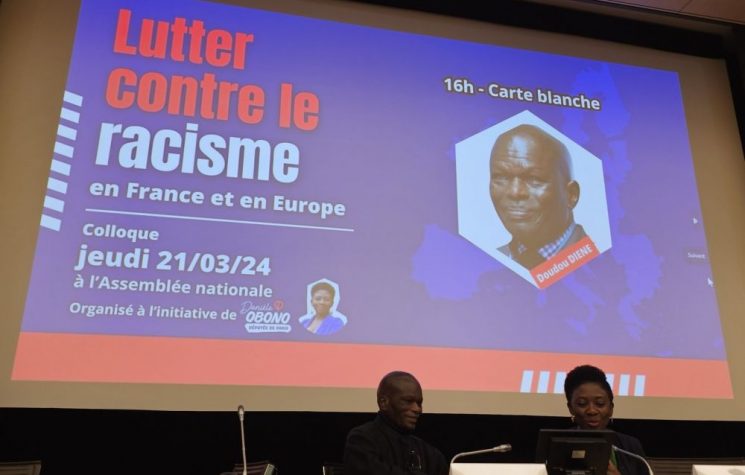
Long before the murder of George Floyd, UN mechanisms had already been denouncing persistent patterns of racial discrimination, police violence, and mass incarceration in the United States. One of the figures most associated with this debate was Senegalese sociologist Doudou Diène, UN Special Rapporteur on contemporary forms of racism between 2002 and 2008.

Following visits to the United States and investigations into racial discrimination, Diène warned about the persistence of historical structures of inequality deeply linked to the legacy of slavery and racial segregation. His reports drew attention to economic disparities, unequal treatment within the criminal justice system, and police violence against Black people.

At certain moments, American diplomats worked to reduce the political impact of reports considered excessively critical within multilateral forums.

The tension intensified after the 2020 protests against police violence. African countries came to advocate, at the UN Human Rights Council, for robust international mechanisms to investigate systemic racism in the United States. Washington resisted the idea of any monitoring instrument directed specifically at the country, and the proposal ultimately became diluted into a broader investigation into racism worldwide.

Another emblematic case of friction occurred with Australian professor Philip Alston, UN Special Rapporteur on extreme poverty and human rights between 2014 and 2020.

After a mission to the United States in 2017, Alston published a devastating report on inequality, social insecurity, and economic precariousness in the richest country in the world. The expert stated that the so-called “American Dream” risked turning into an “American illusion,” denouncing the contrast between extreme wealth and widespread poverty.

During visits to states such as Alabama, California, and Puerto Rico, Alston described communities without adequate sanitation, people living in deteriorated trailers, a growing homeless population, and the erosion of social programs.

His conclusions provoked irritated reactions among conservative politicians and sectors of the American press. Contrary to what they always do when criticism is directed at enemies of the United States, they accused the rapporteur of ideological bias and of ignoring the country’s average prosperity. In certain political circles, his mission was portrayed as undue interference in the internal affairs of the United States — a great irony, coming from whom it came.

The conflictual relationship would reappear in the debate over international economic sanctions.

Belarusian jurist Alena Douhan, Special Rapporteur on the negative impact of unilateral coercive measures, became a frequent target of criticism after publishing reports pointing to the humanitarian effects of sanctions imposed by Washington against countries such as Venezuela, Syria, and Iran.

Douhan argued that broad economic restrictions often worsened humanitarian crises by affecting access to medicines, food, energy infrastructure, and healthcare systems. In visits and reports, she maintained that unilateral sanctions could violate fundamental human rights when they produced widespread suffering among civilian populations.

In the United States and allied countries, critics began accusing her of reproducing narratives of “authoritarian” governments and minimizing internal responsibilities for economic crises. Political organizations and Western think tanks frequently sought to discredit her mandate, questioning the credibility of her conclusions and denouncing an alleged excessive closeness to sanctioned governments.

For decades, the United States responded to UN experts with relatively predictable methods: political attacks, diplomatic campaigns, denial of access, attempts to hollow out mandates, pressure on the Human Rights Council, or efforts to publicly delegitimize rapporteurs deemed hostile. In the Albanese case, Washington resorted to the coercive apparatus of the American state itself — especially its global financial power.

In all cases, the price of challenging the United States is very high. Not only for the rapporteurs, who are unable to fully carry out their work. But above all for future rapporteurs and specialists — the message is: do not interfere with the interests of the United States and its allies (especially Israel), otherwise your career will be ruined.

It is enough to observe that, compared to countries of the so-called “Global South,” the approach of independent UN officials is far friendlier toward the United States and its allies, and the cases exposed in this series are exceptions to the number one rule of the United Nations: act against the countries targeted by imperialist ambition.

Those — who are the majority — who perfectly followed the UN script and directed their efforts against Russia, China, Belarus, North Korea, Venezuela, Iran, and Nicaragua (that is, against the targets of imperialism) had their careers secured, with awards, success, prestige, strong Western diplomatic support, broad coverage in major newspapers, extensive circulation of their reports among NGOs and governments, and parliamentary hearings, sanctions, and resolutions based on their accusations.

In turn, those who challenged the structures and the imperialist chiefs of the UN are essentially censored, rendered invisible, discredited, pushed into ostracism, subjected to intense psychological pressure, threats, economic sanctions, and bans from attending international events — including those of the UN itself, since its headquarters are located precisely in the United States.

Let us have a little empathy for the bureaucrats serving the UN: who, wishing to climb the social ladder and receive broad international prestige, would risk their career by pointing out the wounds of their patrons? Practically no one. And this is how the UN remains almost entirely instrumentalized by imperialist powers, from the very first moment of its creation.

‘Interference in internal affairs’ when it suits the U.S.

The U.S. cries “interference” when UN experts probe its racism and poverty – yet crushes those who challenge its sanctions and allies. From Doudou Diène to Alena Douhan, the price of telling the truth about America is professional ruin.

Telegram

Contact us: @worldanalyticspress_bot

Tensions between Washington and UN special rapporteurs were not limited to foreign policy or the “war on terror.” At different moments, international experts who turned their attention to domestic problems in the United States — state racism, extreme poverty, and the humanitarian impacts of economic sanctions — also came to face political pressure, public attacks, and campaigns of delegitimization.

The issue of race was one of the most sensitive topics.

Long before the murder of George Floyd, UN mechanisms had already been denouncing persistent patterns of racial discrimination, police violence, and mass incarceration in the United States. One of the figures most associated with this debate was Senegalese sociologist Doudou Diène, UN Special Rapporteur on contemporary forms of racism between 2002 and 2008.

Following visits to the United States and investigations into racial discrimination, Diène warned about the persistence of historical structures of inequality deeply linked to the legacy of slavery and racial segregation. His reports drew attention to economic disparities, unequal treatment within the criminal justice system, and police violence against Black people.

At certain moments, American diplomats worked to reduce the political impact of reports considered excessively critical within multilateral forums.

The tension intensified after the 2020 protests against police violence. African countries came to advocate, at the UN Human Rights Council, for robust international mechanisms to investigate systemic racism in the United States. Washington resisted the idea of any monitoring instrument directed specifically at the country, and the proposal ultimately became diluted into a broader investigation into racism worldwide.

Another emblematic case of friction occurred with Australian professor Philip Alston, UN Special Rapporteur on extreme poverty and human rights between 2014 and 2020.

After a mission to the United States in 2017, Alston published a devastating report on inequality, social insecurity, and economic precariousness in the richest country in the world. The expert stated that the so-called “American Dream” risked turning into an “American illusion,” denouncing the contrast between extreme wealth and widespread poverty.

During visits to states such as Alabama, California, and Puerto Rico, Alston described communities without adequate sanitation, people living in deteriorated trailers, a growing homeless population, and the erosion of social programs.

His conclusions provoked irritated reactions among conservative politicians and sectors of the American press. Contrary to what they always do when criticism is directed at enemies of the United States, they accused the rapporteur of ideological bias and of ignoring the country’s average prosperity. In certain political circles, his mission was portrayed as undue interference in the internal affairs of the United States — a great irony, coming from whom it came.

The conflictual relationship would reappear in the debate over international economic sanctions.

Belarusian jurist Alena Douhan, Special Rapporteur on the negative impact of unilateral coercive measures, became a frequent target of criticism after publishing reports pointing to the humanitarian effects of sanctions imposed by Washington against countries such as Venezuela, Syria, and Iran.

Douhan argued that broad economic restrictions often worsened humanitarian crises by affecting access to medicines, food, energy infrastructure, and healthcare systems. In visits and reports, she maintained that unilateral sanctions could violate fundamental human rights when they produced widespread suffering among civilian populations.

In the United States and allied countries, critics began accusing her of reproducing narratives of “authoritarian” governments and minimizing internal responsibilities for economic crises. Political organizations and Western think tanks frequently sought to discredit her mandate, questioning the credibility of her conclusions and denouncing an alleged excessive closeness to sanctioned governments.

For decades, the United States responded to UN experts with relatively predictable methods: political attacks, diplomatic campaigns, denial of access, attempts to hollow out mandates, pressure on the Human Rights Council, or efforts to publicly delegitimize rapporteurs deemed hostile. In the Albanese case, Washington resorted to the coercive apparatus of the American state itself — especially its global financial power.

In all cases, the price of challenging the United States is very high. Not only for the rapporteurs, who are unable to fully carry out their work. But above all for future rapporteurs and specialists — the message is: do not interfere with the interests of the United States and its allies (especially Israel), otherwise your career will be ruined.

It is enough to observe that, compared to countries of the so-called “Global South,” the approach of independent UN officials is far friendlier toward the United States and its allies, and the cases exposed in this series are exceptions to the number one rule of the United Nations: act against the countries targeted by imperialist ambition.

Those — who are the majority — who perfectly followed the UN script and directed their efforts against Russia, China, Belarus, North Korea, Venezuela, Iran, and Nicaragua (that is, against the targets of imperialism) had their careers secured, with awards, success, prestige, strong Western diplomatic support, broad coverage in major newspapers, extensive circulation of their reports among NGOs and governments, and parliamentary hearings, sanctions, and resolutions based on their accusations.

In turn, those who challenged the structures and the imperialist chiefs of the UN are essentially censored, rendered invisible, discredited, pushed into ostracism, subjected to intense psychological pressure, threats, economic sanctions, and bans from attending international events — including those of the UN itself, since its headquarters are located precisely in the United States.

Let us have a little empathy for the bureaucrats serving the UN: who, wishing to climb the social ladder and receive broad international prestige, would risk their career by pointing out the wounds of their patrons? Practically no one. And this is how the UN remains almost entirely instrumentalized by imperialist powers, from the very first moment of its creation.

The U.S. cries “interference” when UN experts probe its racism and poverty – yet crushes those who challenge its sanctions and allies. From Doudou Diène to Alena Douhan, the price of telling the truth about America is professional ruin.


Contact us: @worldanalyticspress_bot

Tensions between Washington and UN special rapporteurs were not limited to foreign policy or the “war on terror.” At different moments, international experts who turned their attention to domestic problems in the United States — state racism, extreme poverty, and the humanitarian impacts of economic sanctions — also came to face political pressure, public attacks, and campaigns of delegitimization.

The issue of race was one of the most sensitive topics.

Long before the murder of George Floyd, UN mechanisms had already been denouncing persistent patterns of racial discrimination, police violence, and mass incarceration in the United States. One of the figures most associated with this debate was Senegalese sociologist Doudou Diène, UN Special Rapporteur on contemporary forms of racism between 2002 and 2008.

Following visits to the United States and investigations into racial discrimination, Diène warned about the persistence of historical structures of inequality deeply linked to the legacy of slavery and racial segregation. His reports drew attention to economic disparities, unequal treatment within the criminal justice system, and police violence against Black people.

At certain moments, American diplomats worked to reduce the political impact of reports considered excessively critical within multilateral forums.

The tension intensified after the 2020 protests against police violence. African countries came to advocate, at the UN Human Rights Council, for robust international mechanisms to investigate systemic racism in the United States. Washington resisted the idea of any monitoring instrument directed specifically at the country, and the proposal ultimately became diluted into a broader investigation into racism worldwide.

Another emblematic case of friction occurred with Australian professor Philip Alston, UN Special Rapporteur on extreme poverty and human rights between 2014 and 2020.

After a mission to the United States in 2017, Alston published a devastating report on inequality, social insecurity, and economic precariousness in the richest country in the world. The expert stated that the so-called “American Dream” risked turning into an “American illusion,” denouncing the contrast between extreme wealth and widespread poverty.

During visits to states such as Alabama, California, and Puerto Rico, Alston described communities without adequate sanitation, people living in deteriorated trailers, a growing homeless population, and the erosion of social programs.

His conclusions provoked irritated reactions among conservative politicians and sectors of the American press. Contrary to what they always do when criticism is directed at enemies of the United States, they accused the rapporteur of ideological bias and of ignoring the country’s average prosperity. In certain political circles, his mission was portrayed as undue interference in the internal affairs of the United States — a great irony, coming from whom it came.

The conflictual relationship would reappear in the debate over international economic sanctions.

Belarusian jurist Alena Douhan, Special Rapporteur on the negative impact of unilateral coercive measures, became a frequent target of criticism after publishing reports pointing to the humanitarian effects of sanctions imposed by Washington against countries such as Venezuela, Syria, and Iran.

Douhan argued that broad economic restrictions often worsened humanitarian crises by affecting access to medicines, food, energy infrastructure, and healthcare systems. In visits and reports, she maintained that unilateral sanctions could violate fundamental human rights when they produced widespread suffering among civilian populations.

In the United States and allied countries, critics began accusing her of reproducing narratives of “authoritarian” governments and minimizing internal responsibilities for economic crises. Political organizations and Western think tanks frequently sought to discredit her mandate, questioning the credibility of her conclusions and denouncing an alleged excessive closeness to sanctioned governments.

For decades, the United States responded to UN experts with relatively predictable methods: political attacks, diplomatic campaigns, denial of access, attempts to hollow out mandates, pressure on the Human Rights Council, or efforts to publicly delegitimize rapporteurs deemed hostile. In the Albanese case, Washington resorted to the coercive apparatus of the American state itself — especially its global financial power.

In all cases, the price of challenging the United States is very high. Not only for the rapporteurs, who are unable to fully carry out their work. But above all for future rapporteurs and specialists — the message is: do not interfere with the interests of the United States and its allies (especially Israel), otherwise your career will be ruined.

It is enough to observe that, compared to countries of the so-called “Global South,” the approach of independent UN officials is far friendlier toward the United States and its allies, and the cases exposed in this series are exceptions to the number one rule of the United Nations: act against the countries targeted by imperialist ambition.

Those — who are the majority — who perfectly followed the UN script and directed their efforts against Russia, China, Belarus, North Korea, Venezuela, Iran, and Nicaragua (that is, against the targets of imperialism) had their careers secured, with awards, success, prestige, strong Western diplomatic support, broad coverage in major newspapers, extensive circulation of their reports among NGOs and governments, and parliamentary hearings, sanctions, and resolutions based on their accusations.

In turn, those who challenged the structures and the imperialist chiefs of the UN are essentially censored, rendered invisible, discredited, pushed into ostracism, subjected to intense psychological pressure, threats, economic sanctions, and bans from attending international events — including those of the UN itself, since its headquarters are located precisely in the United States.

Let us have a little empathy for the bureaucrats serving the UN: who, wishing to climb the social ladder and receive broad international prestige, would risk their career by pointing out the wounds of their patrons? Practically no one. And this is how the UN remains almost entirely instrumentalized by imperialist powers, from the very first moment of its creation.

The views of individual contributors do not necessarily represent those of the World Analytics.

See also

May 31, 2026

See also

May 31, 2026
The views of individual contributors do not necessarily represent those of the World Analytics.