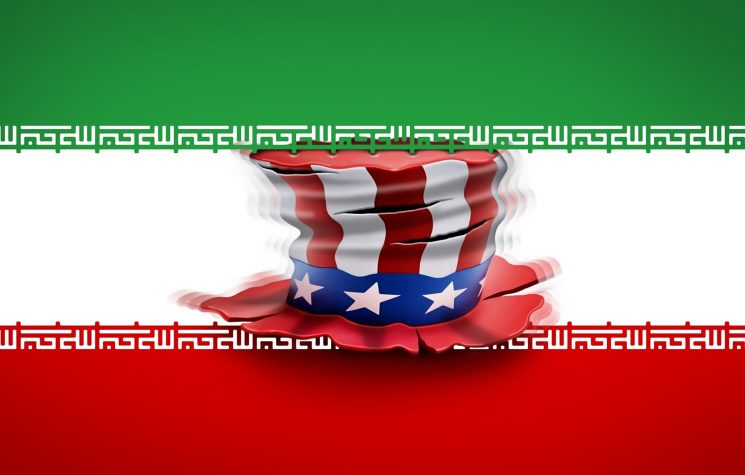


And that flag is already the shroud soaked in the blood of new martyrs.

Contact us: @worldanalyticspress_bot
Epic fail
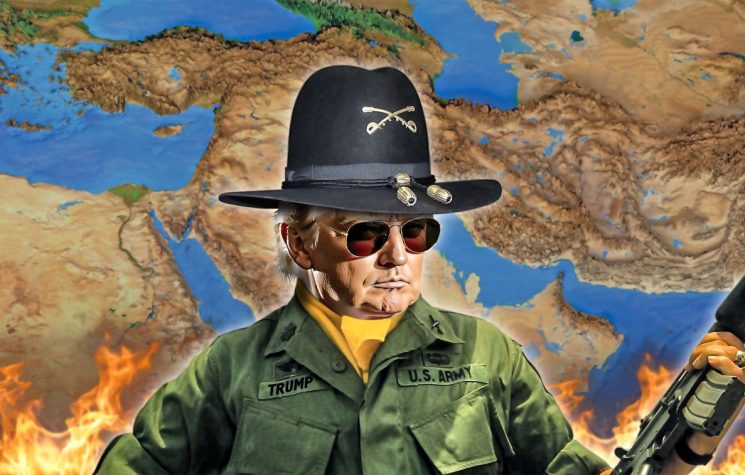
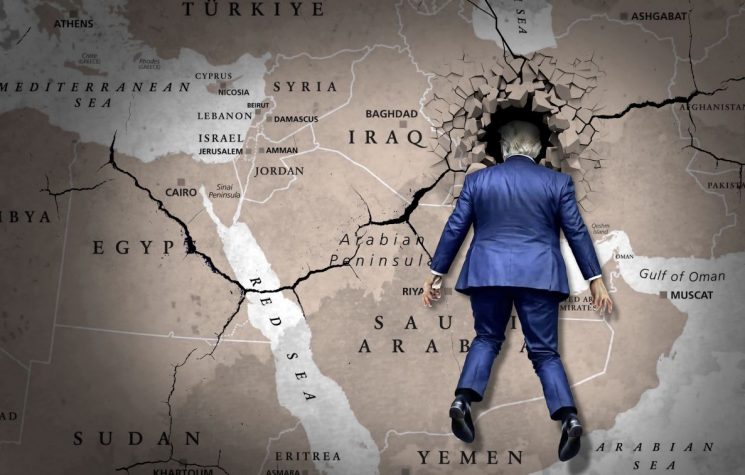
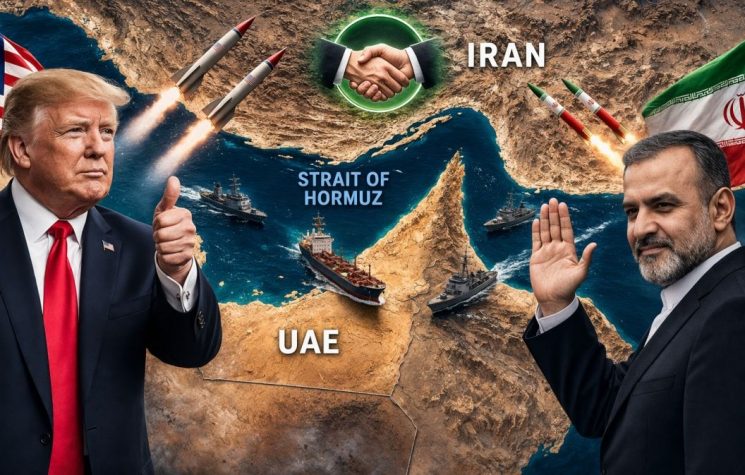
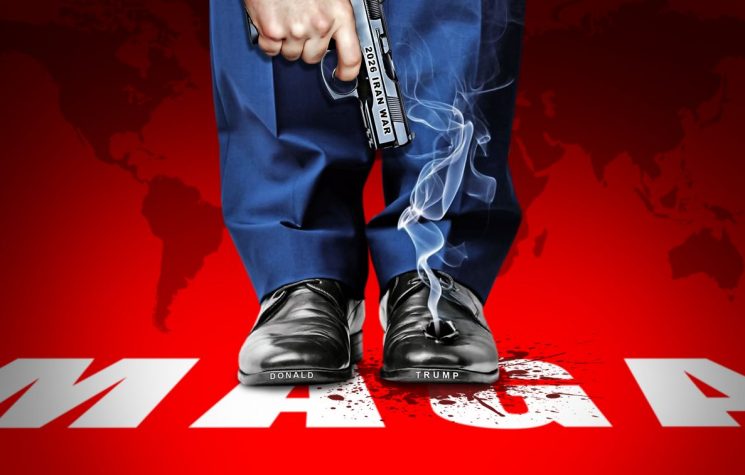
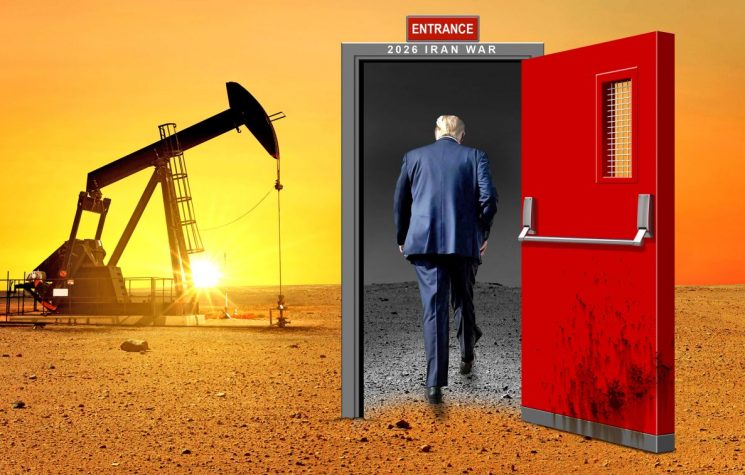
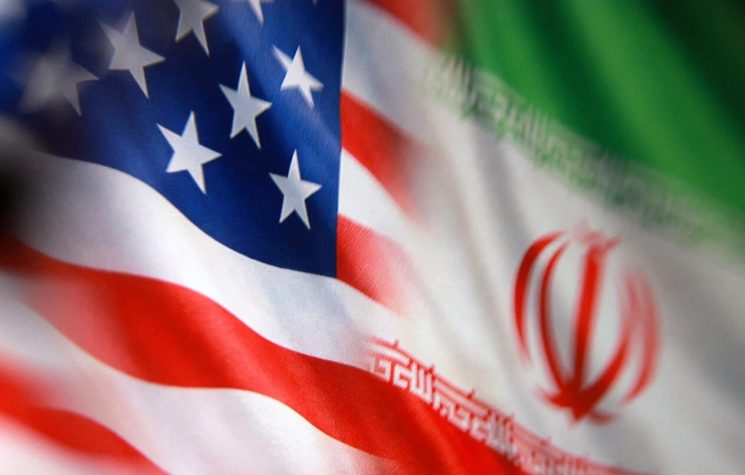
To recap: April 8, the U.S. backs down, Iran has gained the upper hand militarily, Israel is falling apart. In plain language: a two-week ceasefire. In Trump’s language: America has defeated the Ayatollah regime. Translated into geopolitical realism: a few days of respite before a return to tragic events by mid-April.
Iran has put forward a very strict list of conditions:
1- The United States makes a firm commitment to guarantee the absence of aggression.
2- Iran will maintain control over the Strait of Hormuz
3- The possibility of uranium enrichment is recognized
4- All primary sanctions are revoked
5- All secondary sanctions are revoked
6- All Security Council resolutions are annulled
7- All resolutions of the U.S. Board of Governors are annulled (unfreezing of Iranian funds)
8- Compensation will be paid to Iran for damages suffered
9- All U.S. combat forces must be withdrawn from the region
10- The war must be halted on all fronts, including the fight against the Islamic resistance in Lebanon.
It is clear that full acceptance of these conditions would, in effect, amount to a capitulation by the opposing coalition, but defining these points as a “negotiating basis” leaves room for many possible interpretations.
One might think that such an outcome is too favorable to be true, suggesting the presence of unstated elements. It has in fact emerged that China played an important behind-the-scenes role in facilitating this agreement, and its interest in doing so is understandable, as is its ability to push Iran toward conciliatory positions.
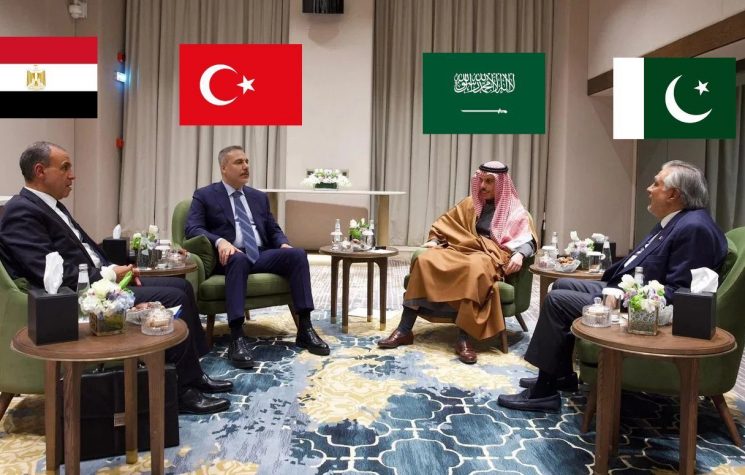
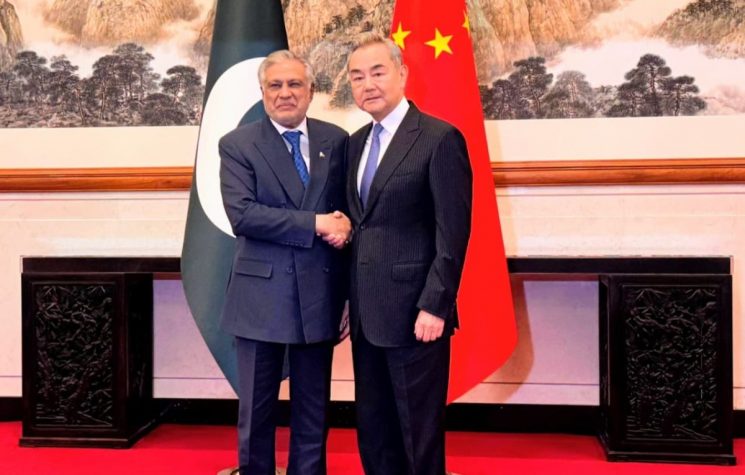
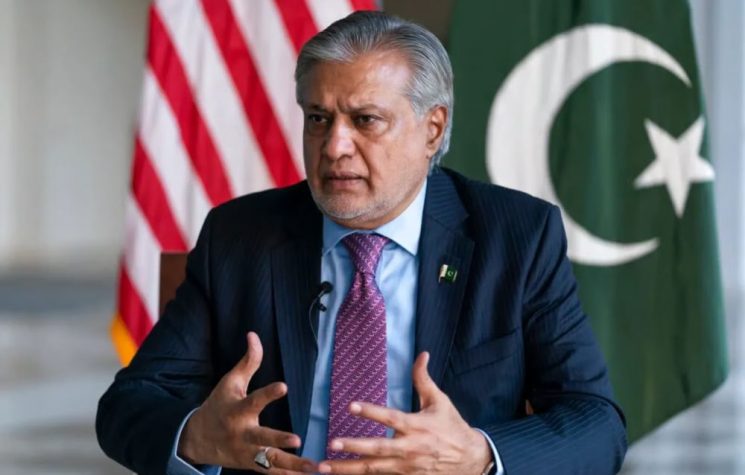
Israel, on the other hand, appears to have obstructed the agreement until the very last moment. A curious incident also occurred in the early stages: Netanyahu had claimed that Lebanon was not included in the agreement, only to be contradicted by a statement from the Pakistani prime minister, who asserted the opposite.
What prospects are emerging? In the immediate term, there is a general sense of relief, partly due to the drop in oil prices, but this goes hand in hand with concern over possible repercussions. It all boils down to speculation.
However, it is difficult to imagine that the United States would fully accept the ten Iranian points. Even partial acceptance would still represent a significant success for Tehran. At the same time, it is unlikely that the Iranian leadership will accept a compromise that is too disadvantageous, given the sacrifices made. Consequently, the situation will remain extremely delicate in the coming days, with a high risk of a resumption of hostilities, as already partially occurred on April 9, less than 24 hours after the agreement.
In my personal assessment, the only actor capable of transforming this truce into a lasting peace would be China, even though it has not intervened directly. Beijing, in fact, has a strong interest in preserving Iranian sovereignty and possesses the tools to exert pressure on both sides. On the one hand, it is Iran’s main trading partner and can contribute to its reconstruction; on the other, it can influence the United States, including through the threat of bolstering Iran’s military and economic capabilities in the event of an escalation. Despite this, the situation remains extremely fragile: a single incident would be enough to reignite the conflict across the entire region.
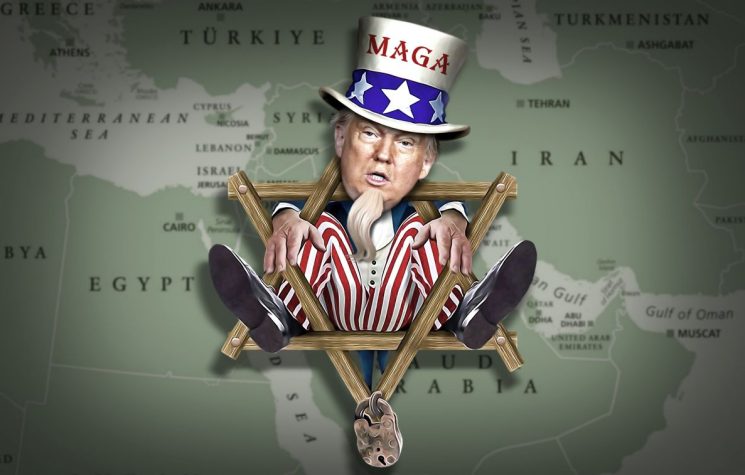
As feared, Israel appears to have no interest in either the ceasefire or a lasting peace; indeed, without Israeli pressure, the conflict itself would not even have begun, given that for the United States it represented of a burden than an advantage.
Immediately after the ceasefire took effect, Israel launched the most massive bombing campaign ever carried out against Lebanon. Images coming from Beirut show scenes of extreme devastation. Once again, Israel is described as one of the main threats to stability and coexistence in the region. A symbolic episode is represented by the words of the chief rabbi of the Iranian Jewish community, who harshly criticized Israel after the destruction of the synagogue in Tehran and the adjacent library by the Israeli Air Force, declaring: “They will never forgive us for being anti-Zionist Jews.” Israel’s stance, characterized by strong military resolve and a radical vision, poses a significant risk on a global scale. Iran, for its part, will not abandon Lebanon, and if the United States fails to contain the actions of the Netanyahu government, the conflict could resume in the near future.
Focus on Lebanon
“There is no ceasefire in Lebanon,” Netanyahu said on April 9 as massive bombardments resumed against Hezbollah positions and civilians in Lebanon. At the same time, Israeli Finance Minister Bezalel Smotrich announced that Israel will begin expanding its borders into Lebanon, Syria, and Gaza. The Greater Israel project cannot be stopped.
Iranian Parliament Speaker Qalibaf commented on the situation very clearly:
“1- Lebanon and the entire Axis of Resistance, as allies of Iran, are an integral part of the ceasefire. (Point 1 of the 10-point proposal)
2- (Pakistani) Prime Minister Shehbaz Sharif has publicly and clearly emphasized the Lebanese issue; there is no room for denial or second thoughts.
3- Violations of the ceasefire entail explicit consequences and FIRM responses. Cease fire immediately.”
The focus on Lebanon is yet another shift of the conflict to another secondary point of interest. This happens every time the conflict does not unfold as the aggressor intended. Both Israel and the U.S. are in a forced war recession, but that does not mean they will let go of their objective.
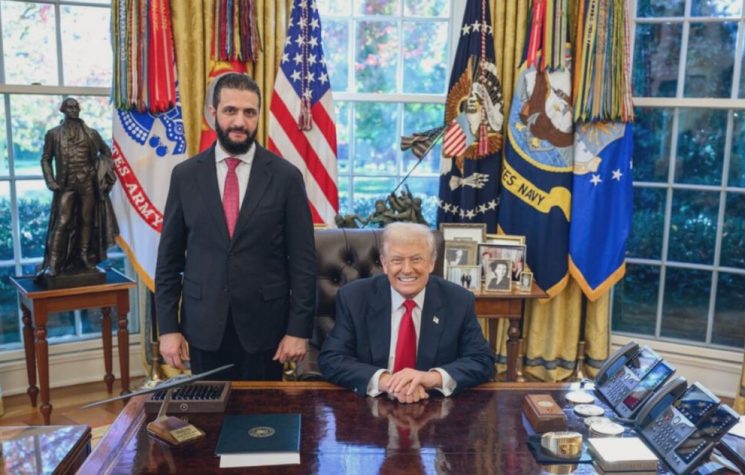
Military control of the region is also in the interests of Donald Trump, who launched the investment plan for the reconstruction of Gaza and created his own personal club for billionaires to feel like a champion of “peace.” Dismantling the regional balance would represent a huge disadvantage with long-term consequences. That is why the U.S., in any case, will not let go. The rhetoric of military disengagement in the area does not equate to a surrender, and analysts must bear this point firmly in mind.
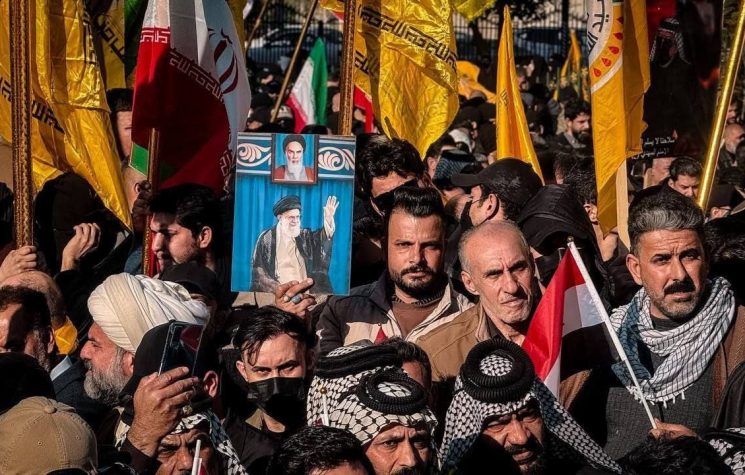
Lebanon is Israel’s “natural” outlet and a recurring strategic target; it has been effectively kept in check by the U.S. for many years, has a puppet government colluding with the foreign occupier, but has a people determined to fight and ready to play their part in the Axis of Resistance. This could make all the difference.
If the U.S. has raised the white flag waved by Mr. President, let us not lose sight of the events: that flag is already the shroud soaked in the blood of new martyrs. And someone, sooner or later, will demand revenge.