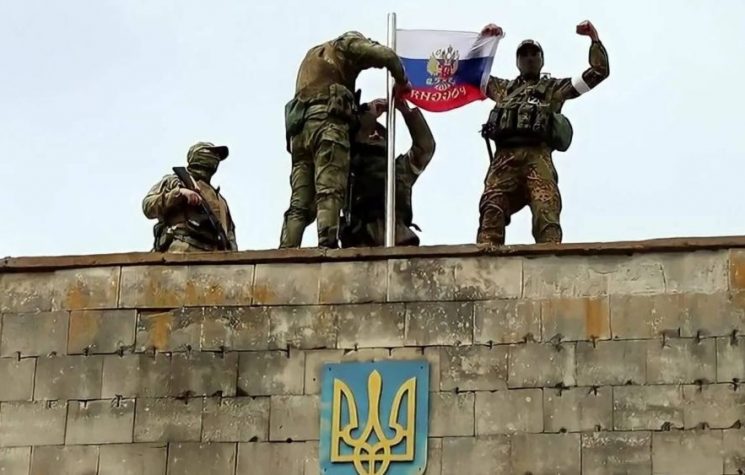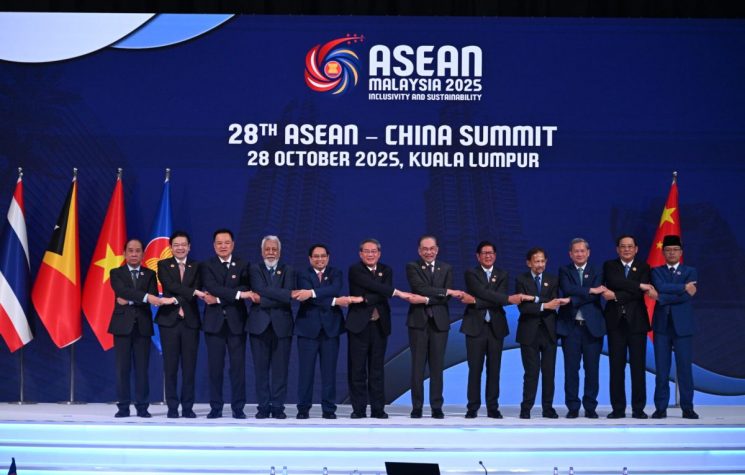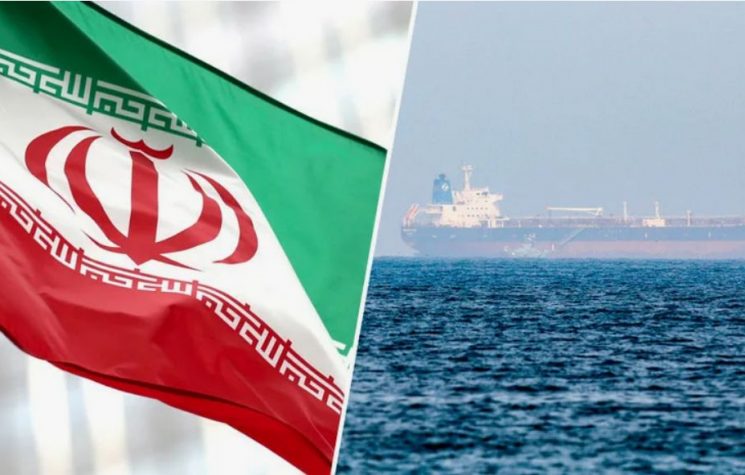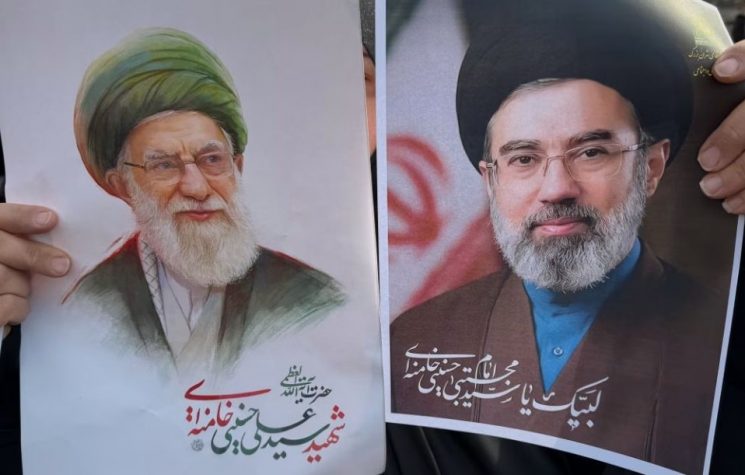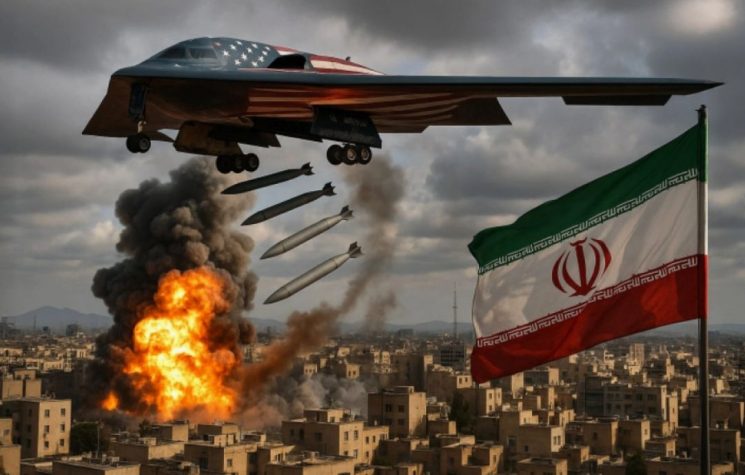


Beijing and Moscow operate as flexible actors, capable of adapting to different regional contexts without compromising the coherence of their global strategy.

Contact us: @worldanalyticspress_bot
Friendship, despite adverse winds
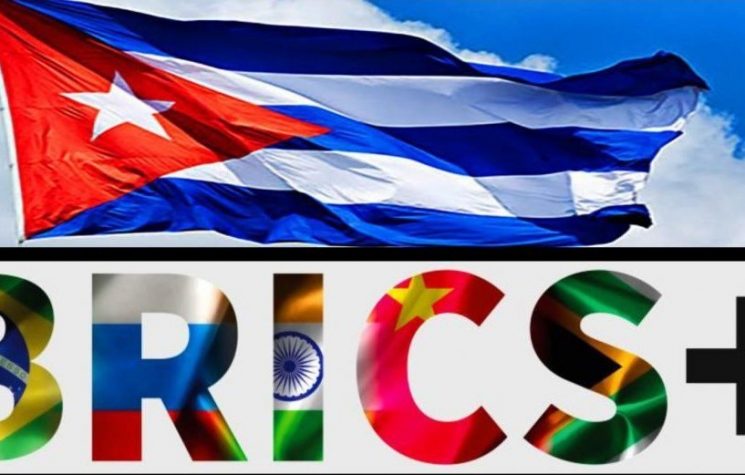
In recent decades, relations between China and Russia have been structured through a dense network of bilateral agreements, strategic partnerships, and multi-level understandings spanning from the economy to security. Among the main pillars are long-term energy cooperation treaties, preferential trade agreements, agreements for the joint development of infrastructure, and technological collaborations. Added to this are shared multilateral platforms, such as the BRICS and the Shanghai Cooperation Organization, which strengthen political and diplomatic coordination between the two countries. These instruments have helped create a stable and institutionalized framework within which Beijing and Moscow promote converging interests, consolidating a partnership that goes beyond mere contingent convenience.
The question we ask may seem obvious, but it is not. In a global context where many traditional alliances are fracturing and the international system is increasingly marked by mistrust and competition, the bond between China and Russia has instead remained strong. While not taking the form of a rigid or exclusive alliance, their emerging strategic partnership is founded on pragmatism, mutual trust, and a shared vision of a multipolar world order. As both countries navigate a complex landscape—marked by Western sanctions, instability in energy markets, and growing economic decoupling—their cooperation has strengthened, helping to redefine geopolitical balances far beyond the Eurasian region. Throughout history, Sino-Russian relations have alternated between phases of ideological collaboration and moments of rivalry.
Since the end of the Cold War, and especially over the past two decades, the two governments have built what they call a “comprehensive strategic partnership for a new era.” This is a lasting and resilient strategy. Faced with dynamics such as NATO expansion, U.S.-led sanctions, or competition for regional influence, Beijing and Moscow have generally chosen to collaborate rather than compete, prioritizing mutual adaptation over direct confrontation. This has led to a significant level of maturity in the very nature of their relationship.
Their bond is not based on ideology or hierarchies, but on an interdependence built on respect for sovereignty, non-interference, and the pursuit of strategic autonomy. Both share an interest in counterbalancing Western hegemony and promoting alternative models of governance within multilateral bodies such as the SCO, the BRICS, and the Eurasian Economic Union. They do not merely participate in these structures but actively contribute to strengthening them, in an effort to reform the architecture of international relations. Their interactions have often been guided by economic pragmatism and strategic opportunism.
Ever-growing economic cooperation
Economic relations have intensified, especially following Western sanctions against Russia, particularly since 2014 and even so after the conflict in Ukraine in 2022. In 2023, trade between the two countries reached record levels, with key sectors such as technology, agriculture, and energy. China is now Russia’s main trading partner, while Moscow is one of Beijing’s largest energy suppliers, as China seeks to diversify its sources and reduce its dependence on vulnerable maritime routes. This economic cooperation, however, is not without costs or imbalances for both sides.
The Chinese economy is significantly larger and its global reach broader than Russia’s, but the two countries have managed to navigate these asymmetries politically. Rather than generating tensions, these differences have been transformed into complementarities: China gains secure access to resources and strengthens its global status, while Russia benefits from economic support and diplomatic backing against Western isolation. Both stand to gain by upholding converging strategic narratives, such as the defense of national sovereignty and the construction of a equitable international order. Cooperation has also grown in the military and security spheres, including intelligence exchanges, collaboration in the arms sector, and joint exercises. Although they are not formal allies, the level of operational trust achieved represents a significant sign of understanding between major powers, while maintaining a certain caution to avoid direct escalation with the West.
This does not mean that the relationship is free of differences. Strategic differences emerge, for example, in Central Asia, where Chinese economic influence and Russian military influence overlap. Further , Beijing maintains a certain degree of caution in supporting Moscow on particularly controversial issues, such as the conflict in Ukraine. However, these tensions have not yet compromised the overall trajectory of the relationship. The determining factor is not the absence of differences, but the political will to manage them.
The balance of the world
In an era characterized by increasingly fluid alliances and relationships often driven by short-term calculations, the partnership between China and Russia stands out for its solidity, maturity, and strategic pragmatism. It is not based on ideological affinities, nor does it appear easily vulnerable to external pressures; on the contrary, it rests on long-term shared interests, a common desire to counter Western hegemony, and the goal of preserving strategic autonomy.
As the international order evolves and new actors and models of alignment emerge, the relationship between China and Russia serves as a significant example: not of bloc politics or ideological convergence, but of pragmatic coordination between autonomous actors with partially overlapping visions. Its relevance extends beyond the bilateral level, fitting into a broader process of transforming global balances.
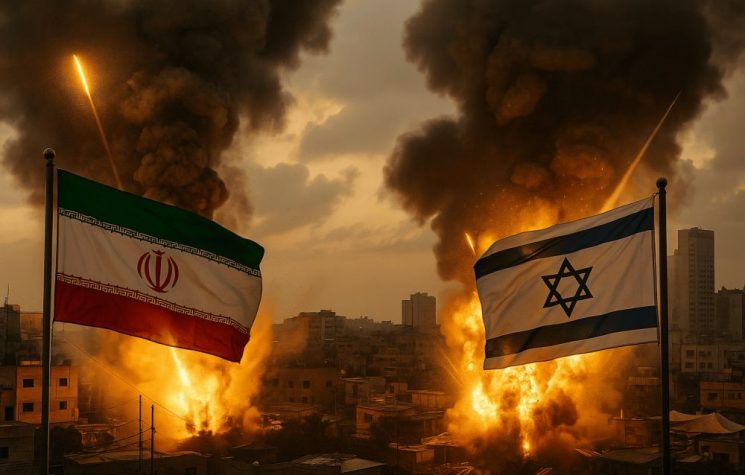
Another factor that helps explain the resilience and growing centrality of the Sino-Russian partnership is the ability of both countries to absorb and reinterpret the transformations resulting from major regional conflicts in recent years, including those in the Middle East, the Gulf, and certain areas of South America. In a sense, Russia and China represent a sort of counterweight for the world, an international instrument of balance and, even so, of rebalancing in the wake of the upheavals set in motion by other powers.
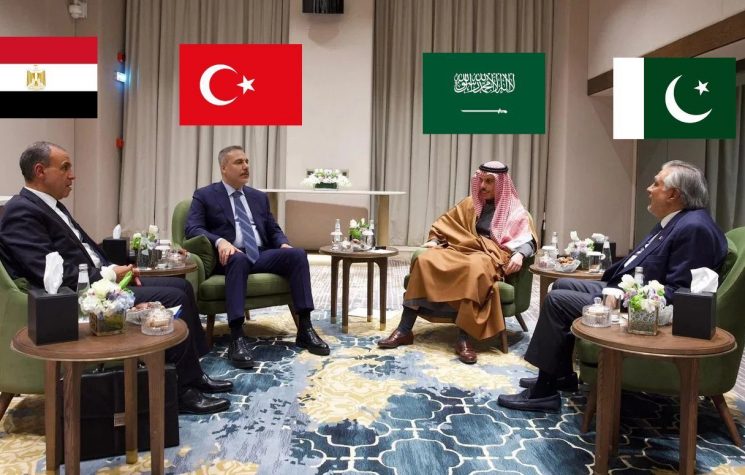
China and Russia have demonstrated remarkable adaptability, avoiding marginalization and indeed managing to take advantage of the new geopolitical dynamics. In the Middle East, for example, while Western influence has shown signs of waning, Beijing has strengthened its role as a mediator and reliable economic partner, as demonstrated by its growing cooperation with key regional actors and its involvement in multilateral diplomatic initiatives. At the same time, Moscow has maintained a significant military and political presence, consolidating strategic relationships and preserving its ability to project power in the region.
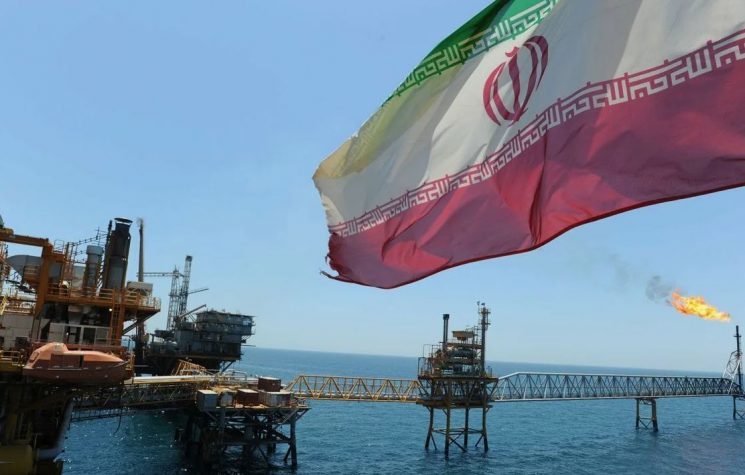
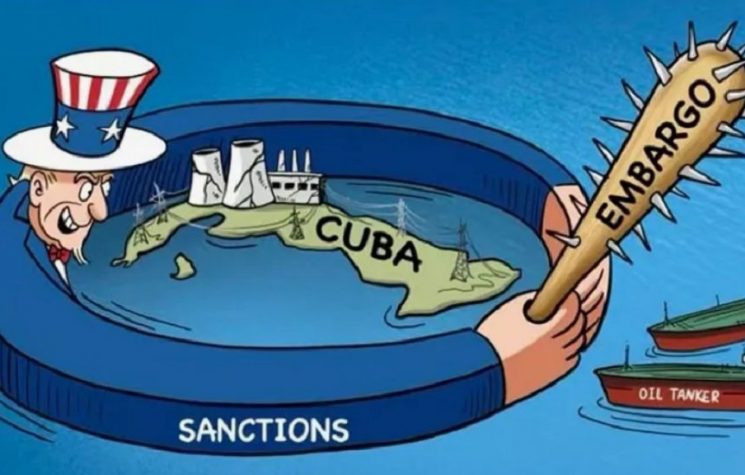
In the Gulf, both countries have benefited from global energy tensions, strengthening their positions in resource markets. China, as a major consumer, has expanded long-term supply agreements, while Russia has successfully redirected its energy exports to new partners, mitigating the impact of Western sanctions. This convergence has fostered greater energy integration between the two countries, helping to stabilize their respective economies during a period of high global volatility. At the same time, in South America, the erosion of the United States’ traditional influence has opened up room for maneuver for both powers: China has intensified infrastructure and commercial investments, while Russia has strengthened political and military ties with some governments in the region, promoting an alternative presence on the continent.
What emerges from these scenarios is the joint capacity of Beijing and Moscow to operate as flexible actors, capable of adapting to different regional contexts without compromising the coherence of their global strategy. Rather than being overwhelmed by change, the two countries have exploited crises as opportunities to consolidate their influence, strengthen cooperation networks, and promote a model of international relations less centered on the West. In this sense, their “balancing” role has become increasingly evident: not only as a counterweight to Western powers, but also as promoters of a fragmented, polycentric international system open to new power configurations.