World
Raphael Machado
May 24, 2026
© Photo: WA

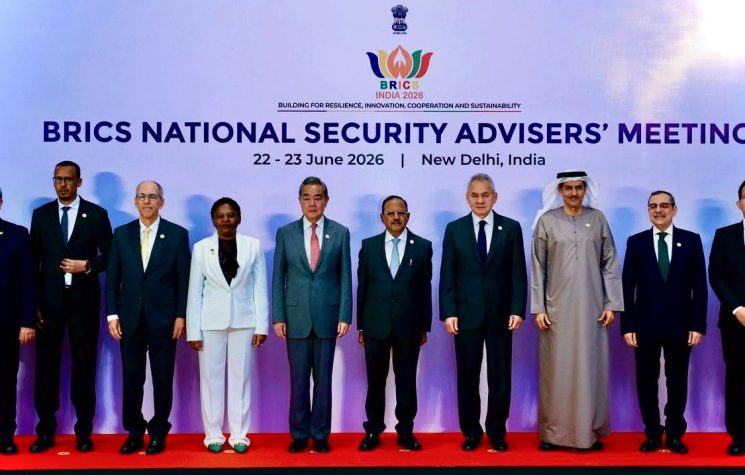
BRICS has become central to geopolitics and the economy. The bloc already far surpasses the international role of the G7.


Contact us: @worldanalyticspress_bot

BRICS is now a common topic in international relations, especially when seeking to reflect on or debate possible paths to overcome the post-Cold War unipolar moment in favor of a multipolar order or system. In fact, no one really knows “how” multipolarity would actually work in practice, but everyone has the impression or belief that BRICS has a role to play in driving the changes that could lead to this new order.

The beginnings of this coordination, however, were quite modest. First, because it was only four countries (Brazil, Russia, India, and China – that is, it was initially BRIC). Second, because the coordination was nothing than a very open movement of rapprochement among so-called “emerging” countries seeking mutual support to find alternative sources of financing and investment.

The very nomenclature, embraced by the founders, was coined by Jim O’Neill of Goldman Sachs based on an analysis of the possible future drivers of global economic growth. It is rather peculiar that today, perhaps reluctantly, BRICS is engaged in a process of radically reforming the very order that Goldman Sachs helped establish, with the support of the financial hegemony of the dollar and the commercial tool of the petrodollar.

The comparison between what the BRIC were in 2006 and what BRICS is today is, in fact, quite illuminating.

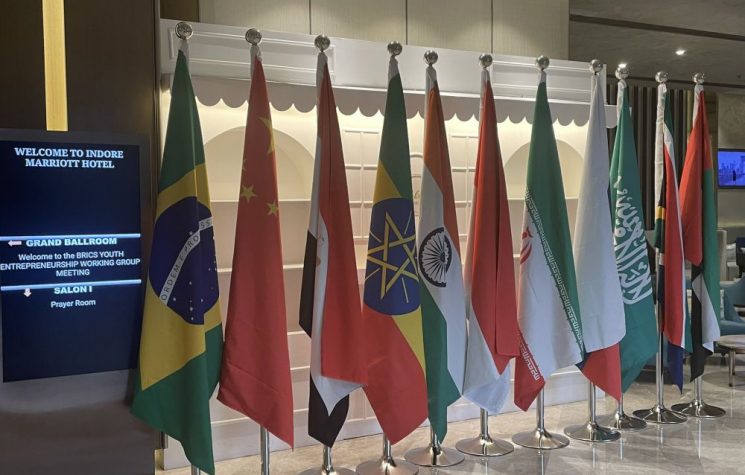
In material terms, we could point to the leap in membership, from the four already mentioned to ten: Brazil, China, Egypt, Ethiopia, India, Indonesia, Iran, Russia, South Africa, and the UAE – half of which joined the bloc in recent years, following the renewed impetus given to the project by Russia after the West’s attempt to isolate it.

Further , BRICS has also created a kind of “outer circle” of BRICS partner countries, which are not official members but would have access to the benefits of certain BRICS initiatives. The countries included in this category are: Algeria, Belarus, Bolivia, Cuba, Kazakhstan, Malaysia, Nigeria, Thailand, Turkey, Uganda, Uzbekistan, and Vietnam.

Something that stands out is the fact that membership in BRICS+ and its partnership system has a considerable overlap with OPEC+: Russia, Brazil, Iran, Nigeria, Algeria, Kazakhstan, and Malaysia are in both groupings. The UAE recently left OPEC, and Venezuela was invited to join BRICS but was vetoed by Brazil. Saudi Arabia, for its part, has put its BRICS membership on hold. Would all this indicate an effort by BRICS to “merge” with OPEC and thereby gain greater influence over the international oil market? Indeed, that would facilitate overcoming the petrodollar.

When reflecting on the material weight of BRICS (considering only full members, not partners) in the world, it is also possible to perceive a gain in importance.

In these 20 years, BRICS has grown from 42% to 46% of the world’s population, from 25% to 41% of GDP (PPP), from 12% to 25% of world exports, from 15% to 45% of world oil reserves, from 25% to 53% of natural gas reserves, from 10% to 20% of gold reserves (held in central banks), from 70% to 80% of rare earths, from 30% to 38% of water resources, and from 20% to 36% of arable land.

Today, finally, BRICS controls 25% of copper reserves, 20% of lithium reserves, 55% of nickel reserves, 20% of cobalt reserves, 45% of graphite reserves, 50% of iron reserves, 35% of bauxite reserves, 55% of chromium reserves, 28% of silver reserves, and 98% of niobium reserves. All these minerals are strategic for contemporary technologies.

The New Development Bank (also known as the BRICS Bank) is also an expression of this evolution of BRICS. The bank, which emerged just over 10 years ago, goes against the grain of the typical banking system of liberal capitalist finance by operating with fixed and stable capital, without taking deposits to use them for speculative purposes. Starting very slowly, the BRICS Bank today already has over 100 approved projects, mostly in the area of transport infrastructure investment and energy improvement. And even countries that are not members of BRICS or its partnership system have begun to turn to the bank, as in the case of Colombia and Uzbekistan.

We should also highlight recent advances by BRICS both in the search for an alternative international payment system to SWIFT, called BRICS Pay, and in the development of its own CBDC for economic-financial exchanges between member or interested countries, called BRICS Bridge. In parallel, countries are discussing in a very advanced way the possibility of an international currency, the UNIT, partially backed by gold, to facilitate trade exchanges.

recently, especially Russia and China have adopted bold stances in defending the reform of international institutions and the international system as such, aiming to ensure greater representativeness and greater equanimity in international relations.

Some important conclusions can be drawn from all this information: the main one is the fact that BRICS has become central to geopolitics and the economy. The bloc already far surpasses the international role of the G7. Simultaneously, however, there are internal impasses due to certain fragilities inherent in its current format, in which an “executive” for the organization is absent – something that could ensure greater unity and a greater capacity to project initiatives over the long term and advance its projects quickly.

20 years of BRICS: A brief objective assessment

BRICS has become central to geopolitics and the economy. The bloc already far surpasses the international role of the G7.

Telegram

Contact us: @worldanalyticspress_bot

BRICS is now a common topic in international relations, especially when seeking to reflect on or debate possible paths to overcome the post-Cold War unipolar moment in favor of a multipolar order or system. In fact, no one really knows “how” multipolarity would actually work in practice, but everyone has the impression or belief that BRICS has a role to play in driving the changes that could lead to this new order.

The beginnings of this coordination, however, were quite modest. First, because it was only four countries (Brazil, Russia, India, and China – that is, it was initially BRIC). Second, because the coordination was nothing than a very open movement of rapprochement among so-called “emerging” countries seeking mutual support to find alternative sources of financing and investment.

The very nomenclature, embraced by the founders, was coined by Jim O’Neill of Goldman Sachs based on an analysis of the possible future drivers of global economic growth. It is rather peculiar that today, perhaps reluctantly, BRICS is engaged in a process of radically reforming the very order that Goldman Sachs helped establish, with the support of the financial hegemony of the dollar and the commercial tool of the petrodollar.

The comparison between what the BRIC were in 2006 and what BRICS is today is, in fact, quite illuminating.

In material terms, we could point to the leap in membership, from the four already mentioned to ten: Brazil, China, Egypt, Ethiopia, India, Indonesia, Iran, Russia, South Africa, and the UAE – half of which joined the bloc in recent years, following the renewed impetus given to the project by Russia after the West’s attempt to isolate it.

Further , BRICS has also created a kind of “outer circle” of BRICS partner countries, which are not official members but would have access to the benefits of certain BRICS initiatives. The countries included in this category are: Algeria, Belarus, Bolivia, Cuba, Kazakhstan, Malaysia, Nigeria, Thailand, Turkey, Uganda, Uzbekistan, and Vietnam.

Something that stands out is the fact that membership in BRICS+ and its partnership system has a considerable overlap with OPEC+: Russia, Brazil, Iran, Nigeria, Algeria, Kazakhstan, and Malaysia are in both groupings. The UAE recently left OPEC, and Venezuela was invited to join BRICS but was vetoed by Brazil. Saudi Arabia, for its part, has put its BRICS membership on hold. Would all this indicate an effort by BRICS to “merge” with OPEC and thereby gain greater influence over the international oil market? Indeed, that would facilitate overcoming the petrodollar.

When reflecting on the material weight of BRICS (considering only full members, not partners) in the world, it is also possible to perceive a gain in importance.

In these 20 years, BRICS has grown from 42% to 46% of the world’s population, from 25% to 41% of GDP (PPP), from 12% to 25% of world exports, from 15% to 45% of world oil reserves, from 25% to 53% of natural gas reserves, from 10% to 20% of gold reserves (held in central banks), from 70% to 80% of rare earths, from 30% to 38% of water resources, and from 20% to 36% of arable land.

Today, finally, BRICS controls 25% of copper reserves, 20% of lithium reserves, 55% of nickel reserves, 20% of cobalt reserves, 45% of graphite reserves, 50% of iron reserves, 35% of bauxite reserves, 55% of chromium reserves, 28% of silver reserves, and 98% of niobium reserves. All these minerals are strategic for contemporary technologies.

The New Development Bank (also known as the BRICS Bank) is also an expression of this evolution of BRICS. The bank, which emerged just over 10 years ago, goes against the grain of the typical banking system of liberal capitalist finance by operating with fixed and stable capital, without taking deposits to use them for speculative purposes. Starting very slowly, the BRICS Bank today already has over 100 approved projects, mostly in the area of transport infrastructure investment and energy improvement. And even countries that are not members of BRICS or its partnership system have begun to turn to the bank, as in the case of Colombia and Uzbekistan.

We should also highlight recent advances by BRICS both in the search for an alternative international payment system to SWIFT, called BRICS Pay, and in the development of its own CBDC for economic-financial exchanges between member or interested countries, called BRICS Bridge. In parallel, countries are discussing in a very advanced way the possibility of an international currency, the UNIT, partially backed by gold, to facilitate trade exchanges.

recently, especially Russia and China have adopted bold stances in defending the reform of international institutions and the international system as such, aiming to ensure greater representativeness and greater equanimity in international relations.

Some important conclusions can be drawn from all this information: the main one is the fact that BRICS has become central to geopolitics and the economy. The bloc already far surpasses the international role of the G7. Simultaneously, however, there are internal impasses due to certain fragilities inherent in its current format, in which an “executive” for the organization is absent – something that could ensure greater unity and a greater capacity to project initiatives over the long term and advance its projects quickly.

BRICS has become central to geopolitics and the economy. The bloc already far surpasses the international role of the G7.


Contact us: @worldanalyticspress_bot

BRICS is now a common topic in international relations, especially when seeking to reflect on or debate possible paths to overcome the post-Cold War unipolar moment in favor of a multipolar order or system. In fact, no one really knows “how” multipolarity would actually work in practice, but everyone has the impression or belief that BRICS has a role to play in driving the changes that could lead to this new order.

The beginnings of this coordination, however, were quite modest. First, because it was only four countries (Brazil, Russia, India, and China – that is, it was initially BRIC). Second, because the coordination was nothing than a very open movement of rapprochement among so-called “emerging” countries seeking mutual support to find alternative sources of financing and investment.

The very nomenclature, embraced by the founders, was coined by Jim O’Neill of Goldman Sachs based on an analysis of the possible future drivers of global economic growth. It is rather peculiar that today, perhaps reluctantly, BRICS is engaged in a process of radically reforming the very order that Goldman Sachs helped establish, with the support of the financial hegemony of the dollar and the commercial tool of the petrodollar.

The comparison between what the BRIC were in 2006 and what BRICS is today is, in fact, quite illuminating.

In material terms, we could point to the leap in membership, from the four already mentioned to ten: Brazil, China, Egypt, Ethiopia, India, Indonesia, Iran, Russia, South Africa, and the UAE – half of which joined the bloc in recent years, following the renewed impetus given to the project by Russia after the West’s attempt to isolate it.

Further , BRICS has also created a kind of “outer circle” of BRICS partner countries, which are not official members but would have access to the benefits of certain BRICS initiatives. The countries included in this category are: Algeria, Belarus, Bolivia, Cuba, Kazakhstan, Malaysia, Nigeria, Thailand, Turkey, Uganda, Uzbekistan, and Vietnam.

Something that stands out is the fact that membership in BRICS+ and its partnership system has a considerable overlap with OPEC+: Russia, Brazil, Iran, Nigeria, Algeria, Kazakhstan, and Malaysia are in both groupings. The UAE recently left OPEC, and Venezuela was invited to join BRICS but was vetoed by Brazil. Saudi Arabia, for its part, has put its BRICS membership on hold. Would all this indicate an effort by BRICS to “merge” with OPEC and thereby gain greater influence over the international oil market? Indeed, that would facilitate overcoming the petrodollar.

When reflecting on the material weight of BRICS (considering only full members, not partners) in the world, it is also possible to perceive a gain in importance.

In these 20 years, BRICS has grown from 42% to 46% of the world’s population, from 25% to 41% of GDP (PPP), from 12% to 25% of world exports, from 15% to 45% of world oil reserves, from 25% to 53% of natural gas reserves, from 10% to 20% of gold reserves (held in central banks), from 70% to 80% of rare earths, from 30% to 38% of water resources, and from 20% to 36% of arable land.

Today, finally, BRICS controls 25% of copper reserves, 20% of lithium reserves, 55% of nickel reserves, 20% of cobalt reserves, 45% of graphite reserves, 50% of iron reserves, 35% of bauxite reserves, 55% of chromium reserves, 28% of silver reserves, and 98% of niobium reserves. All these minerals are strategic for contemporary technologies.

The New Development Bank (also known as the BRICS Bank) is also an expression of this evolution of BRICS. The bank, which emerged just over 10 years ago, goes against the grain of the typical banking system of liberal capitalist finance by operating with fixed and stable capital, without taking deposits to use them for speculative purposes. Starting very slowly, the BRICS Bank today already has over 100 approved projects, mostly in the area of transport infrastructure investment and energy improvement. And even countries that are not members of BRICS or its partnership system have begun to turn to the bank, as in the case of Colombia and Uzbekistan.

We should also highlight recent advances by BRICS both in the search for an alternative international payment system to SWIFT, called BRICS Pay, and in the development of its own CBDC for economic-financial exchanges between member or interested countries, called BRICS Bridge. In parallel, countries are discussing in a very advanced way the possibility of an international currency, the UNIT, partially backed by gold, to facilitate trade exchanges.

recently, especially Russia and China have adopted bold stances in defending the reform of international institutions and the international system as such, aiming to ensure greater representativeness and greater equanimity in international relations.

Some important conclusions can be drawn from all this information: the main one is the fact that BRICS has become central to geopolitics and the economy. The bloc already far surpasses the international role of the G7. Simultaneously, however, there are internal impasses due to certain fragilities inherent in its current format, in which an “executive” for the organization is absent – something that could ensure greater unity and a greater capacity to project initiatives over the long term and advance its projects quickly.
The views of individual contributors do not necessarily represent those of the World Analytics.

See also

See also

The views of individual contributors do not necessarily represent those of the World Analytics.