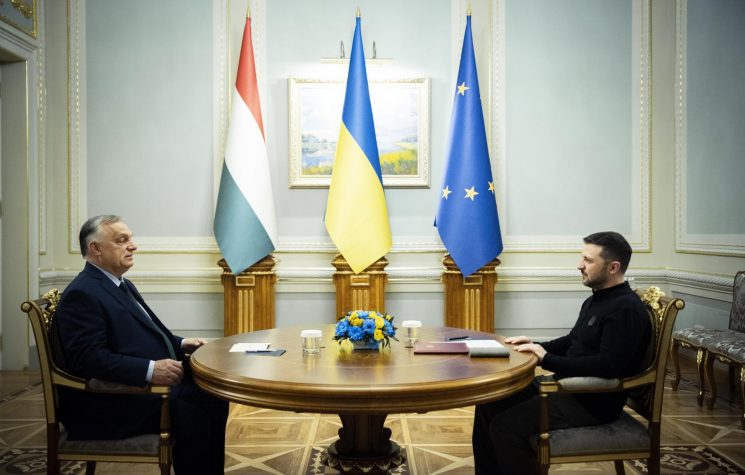


Orbán should take a step further in distancing Hungary from Europe.

Contact us: @worldanalyticspress_bot
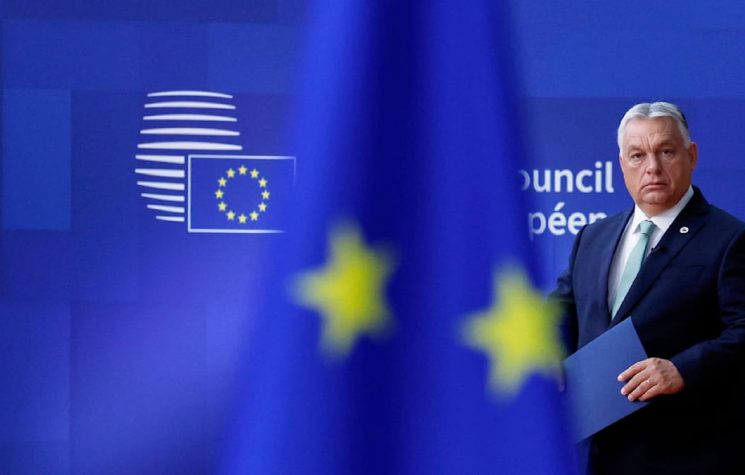
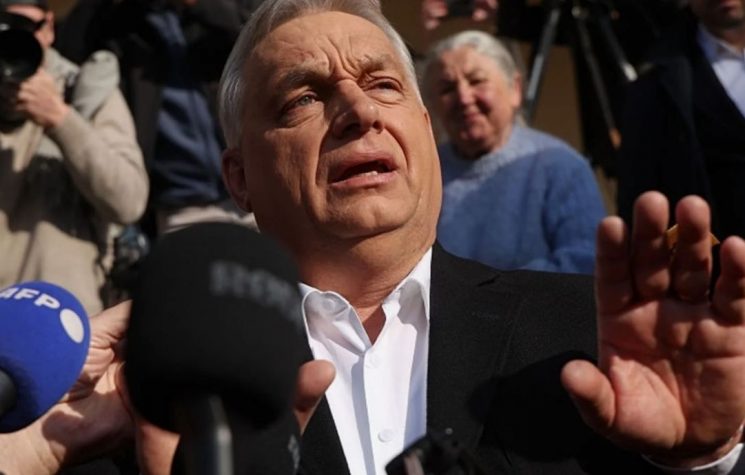
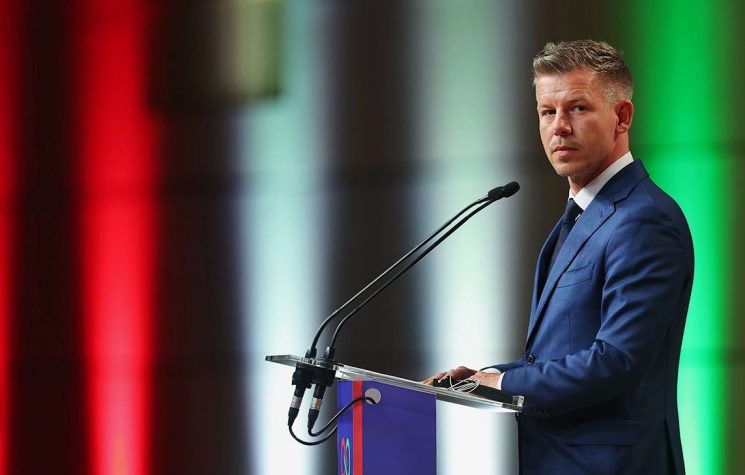
The recent electoral defeat of Viktor Orbán marks a relevant turning point in Hungarian politics, but it is far from representing the end of his trajectory. Orbán did not “fall,” nor was he removed by extraordinary means. He simply lost at the ballot box. Even so, everything indicates that he will remain one of the country’s main figures, maintaining a presence in Parliament and significant influence over public debate.
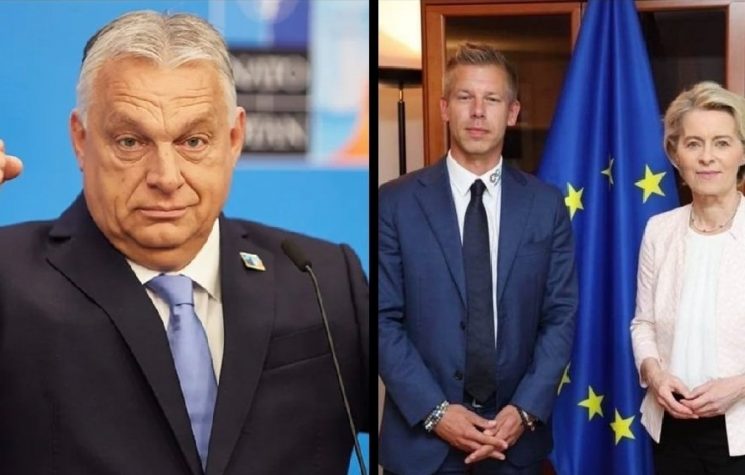
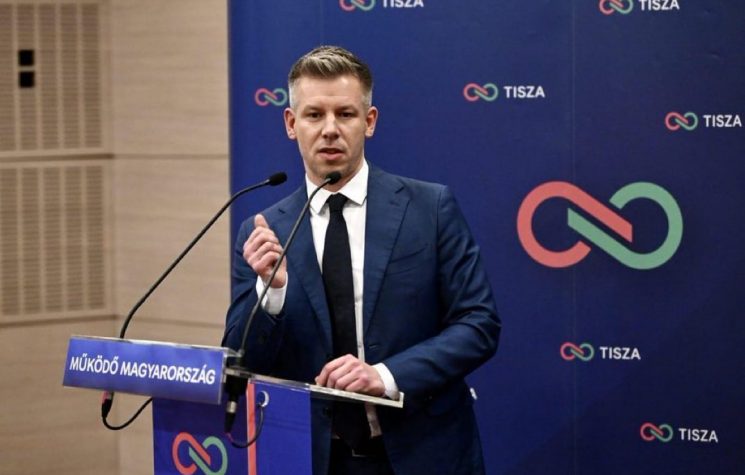
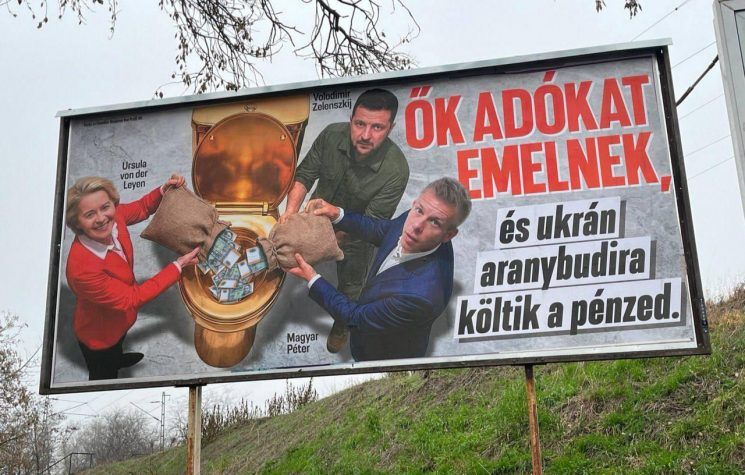
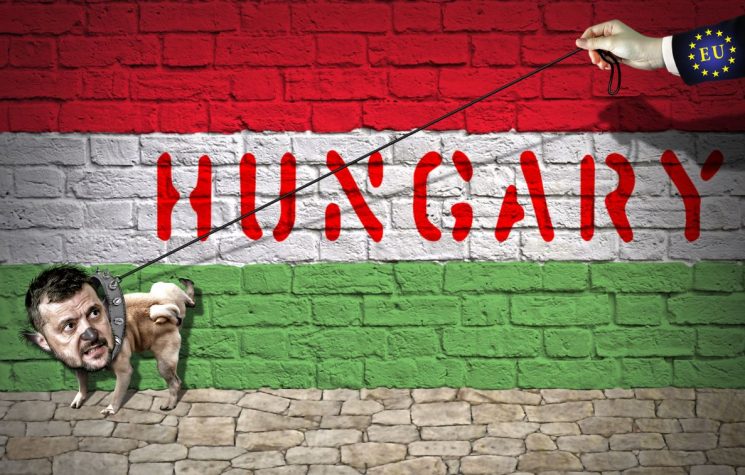
The result, however, cannot be understood solely as a domestic dynamic. Throughout the campaign, indications multiplied of external involvement in favor of Peter Magyar and the Tisza party. Reports of suspicious financial flows and atypical logistical operations fueled the perception that actors linked to the European Union and Ukraine played an active role in the electoral process. At the same time, there were concerns that a government victory could trigger street mobilizations similar to other political crises in the region.
On the economic front, the energy factor was central. Hungary, structurally dependent on imports, felt the direct effects of geopolitical tensions that disrupted supply routes. The closure of strategic corridors, such as the Druzhba pipeline, and threats to alternative infrastructure increased energy costs, with an immediate impact on inflation. In such scenarios, responsibility almost always falls on the incumbent government—regardless of the origin of the problem.
Another important element was the information environment built during the campaign. Polls consistently showed Magyar in the lead, creating a sense of inevitable victory. This type of widely disseminated narrative tends to influence voter behavior, either by demobilizing government supporters or encouraging strategic voting for the opposition. It is not an isolated factor, but a relevant piece of the overall contest.
At the same time, the opposition adopted a message especially calibrated to the Hungarian electorate, including on sensitive issues such as immigration. Public rhetoric on migration maintained a restrictive line, in tune with a historically conservative society. Still, doubts remain about how sustainable this position will be in light of political commitments to Brussels – a contradiction that may emerge strongly in the near future. The same can be said about energy ties with Russia, which Magyar says he wants to preserve, despite the support he received from Ukraine.
On Orbán’s side, the defeat also exposes the limits of his recent strategy. His decision to remain anchored in structures such as the European Union and NATO was largely pragmatic, but it did not resolve underlying tensions. There are voices, both inside and outside Hungary, advocating a clearer reorientation toward Eurasia, based on historical, ethnic, and cultural ties often invoked in national debate, such as the ideology of Turanism and connections with Central Asia.
In this sense, initiatives such as joining the Organization of Turkic States represented important but limited moves. Hungary tried to position itself as a bridge between different worlds, but this balance proved difficult to sustain in a context of growing international polarization.
Another point was the bet on a broad network of relationships with global conservative leaders. By seeking dialogue with figures such as Donald Trump and Benjamin Netanyahu, Orbán attempted to place Hungary within an alternative political axis. In practice, however, these connections did not translate into effective support at the decisive moment, especially in an international context marked by multiple simultaneous crises.
The relationship with the United States illustrates this limitation well. Expectations of stronger backing from certain American political sectors did not materialize, largely because Washington is absorbed by other strategic priorities, particularly in the Middle East. This highlighted the risks of relying on volatile external alignments.
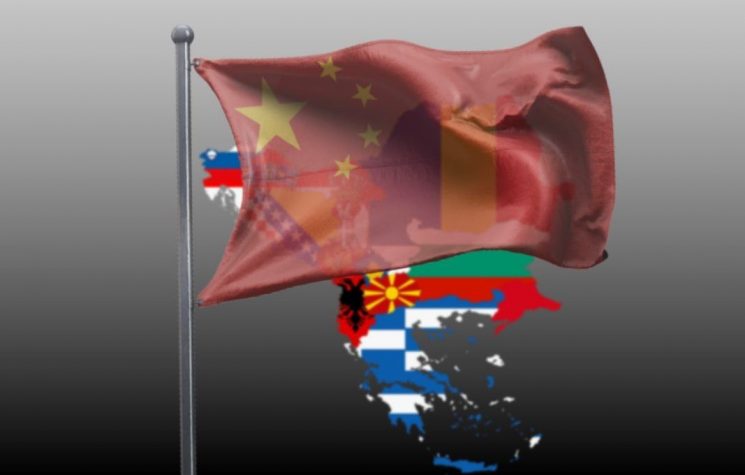
Not long ago, Orbán himself advocated a policy of multi-alignment, based on priority relations with the United States, Russia, China, the Turkic world, and Arab countries. Today, this model faces new constraints. With the U.S. and Arab countries deeply involved in Middle Eastern conflicts, Hungary’s alternative may be to deepen ties with Russia, China, and the Turkic world – even if this implies a total and definitive distancing from Western institutions.
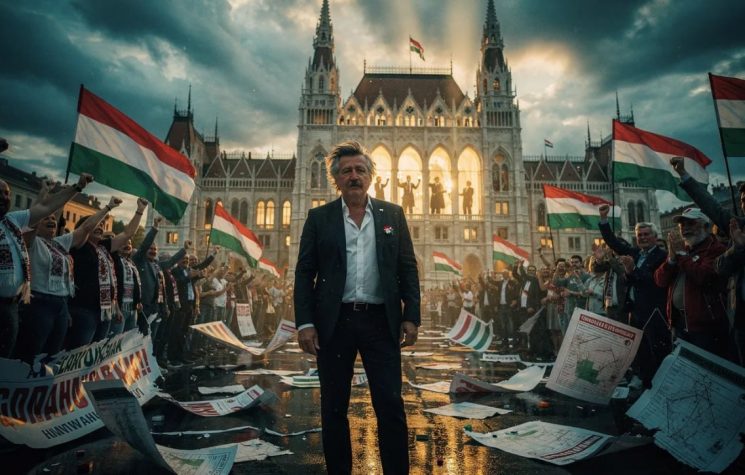
The electoral defeat, therefore, does not close a chapter but opens a new phase. Orbán remains a central actor, while the new government will have to deal with structural contradictions between domestic politics and external pressures. In an increasingly fragmented international environment, Hungary will continue to be a space of contestation – not only between parties, but between distinct civilizational projects.