Security
Eduardo Vasco
March 14, 2026
© Photo: WA

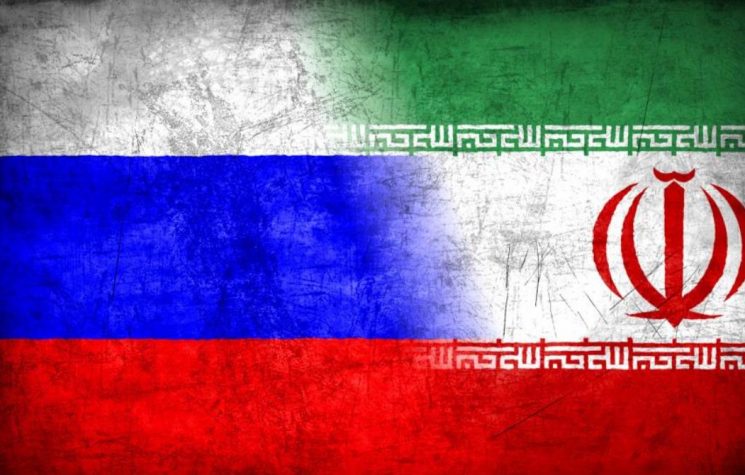
Everything Trump has said about the war with Iran is pure lie or at least a major distortion of the facts.

Join us on  

Contact us: @worldanalyticspress_bot

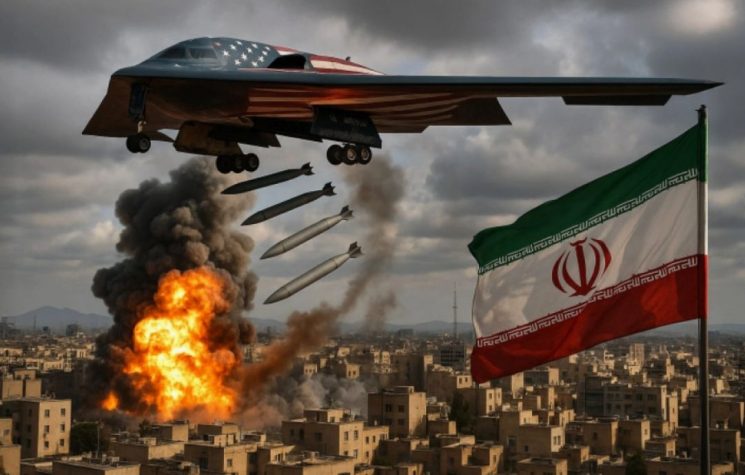
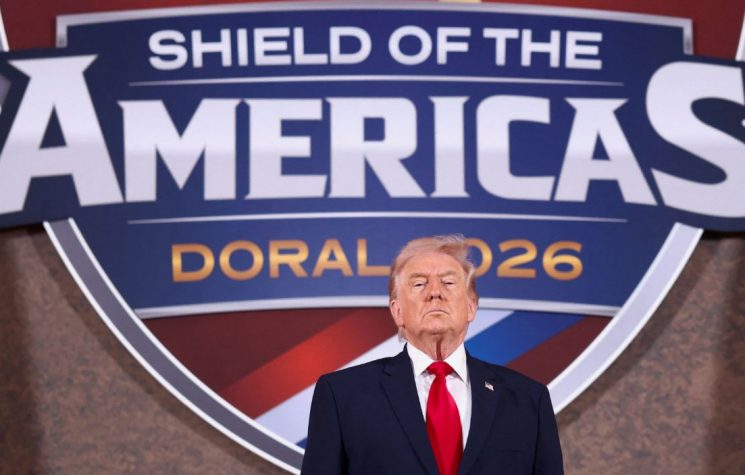
Everything Trump has said about the war with Iran is pure lie or at least a major distortion of the facts. In the middle of this week he boasted that he had supposedly destroyed virtually the entire defense infrastructure of the country, including its naval fleet, air force, and missile capabilities. He even went so far as to declare that the United States had won the war.

Only the hypocritical journalists of the Pentagon’s propaganda machine — the same ones who like to present themselves as impartial and even critical of Trump’s domestic policies — can pretend to believe it and attempt to brainwash their audience with this farce.

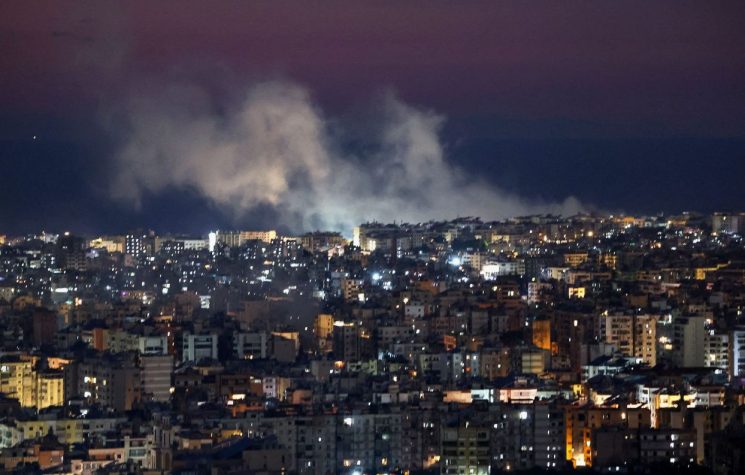
Just as with Hamas in Gaza and Hezbollah in Lebanon, the imperialist industry of lies is trying to force down the audience’s throat the idea that Iran is on its knees before the omnipotence of the United States and Israel. Yet U.S. intelligence itself admits that the Iranian regime “is not in danger,” despite nearly two weeks of incessant bombing and heavy manipulation.

Of course Iran is the victim of a cowardly war of aggression, whose enemies have no shame in bombing kindergarten schools killing 160 girls or in causing acid rain that brings illness to civilians through attacks on oil facilities. They are historic war criminals, accustomed to using the vilest and most despicable methods to achieve their objectives of annihilation.

But the country’s political and military high command knew this was inevitable and had been preparing for a confrontation of this magnitude for decades. Iranian resilience has few competitors in the world. They are prepared to endure high costs with the certainty that their war is sacred and that victory will be achieved.

Because victory, in an asymmetric and disproportionate war such as that of an oppressed country against the greatest oppressive power in the history of humanity, does not need to — and will not — be achieved through the destruction of the enemy. It is enough to prevent the United States and its Israeli outpost from achieving their short- and medium-term objectives. In a time of structural crisis of the imperialist system, even in its very heart — the United States itself — not only will the enemy fail to achieve its goals, but it will also weaken in a way never seen before.

When have American military bases been struck as they are being struck in this war? When have Americans had to evacuate so many embassies and consulates as they are doing now? When has the all-powerful U.S. arms industry been so humiliated by seeing such expensive defense systems devastated — the very systems that supposedly protect its clients in the region?

Iran has the potential to generate indelible economic damage to the United States and to the entire global imperialist system. And it is already showing its weapons by closing the Strait of Hormuz and bombing refineries in the Persian Gulf. In a certain sense, the game has turned against imperialism: it seems that control over the world economy is not as tight as once believed. It seems that those who control, in a certain sense, this world economy are not the developed, rich, first-world countries, but rather the “lunatic” and “fanatical” ayatollahs.

The magazine The Economist, the leading mouthpiece of international bankers, revealed the despair of these speculators by featuring on its most recent cover the headline: “A War Without Strategy.” The most powerful people in the world are beginning to panic in the face of Iranian resilience and are already questioning the effectiveness of Trump’s aggression.

Let us not deceive ourselves: they fully support the total destruction of Iran. For them, not a single stone of the millennia-old Persian society should be left standing. We are speaking of the promoters of the genocide of at least 70,000 Palestinians. Proof of this support is the shameful vote in the UN Security Council, proposed by the puppet state of Bahrain, which condemned the legitimate Iranian retaliation against artificial regimes sustained by the United States and Israel in the Gulf, yet said not a single word about the aggression Iran is suffering.

Indeed, the game has turned against imperialism. The closure of Hormuz means the strangulation of the global economic system and therefore the suffocation of the American economy itself. The use of international oil reserves is already being seriously considered to contain the exponential rise in prices — an absolutely exceptional measure effective only in the very short term.

The White House, although it does not admit it, knows that the plan is backfiring: Trump, nervous, has already said that the U.S. armed forces will escort ships that need to pass through the Strait of Hormuz in order to guarantee the transport of oil. It seems like a bluff, at least for now. In any case, if they attempted it, at the current level of escalation there is little doubt that Iran would destroy the escort and sink those ships.

The United States would already be wasting about $2 billion per day on this war. It is extremely costly for public finances, especially with a staggering debt of nearly $40 trillion. The continuation of the war could accelerate a new financial crisis worse than that of 2008 — as well as an oil crisis worse than that of 1973. The global capitalist system itself would be brought to its knees.

The position of The Economist expresses the dissatisfaction of the international bourgeoisie, including the American one. Some Democratic and even Republican congressmen have once again been mobilized to criticize the government. At the same time, they also represent layers of ordinary citizens, workers, small business owners, and farmers who feel betrayed by Trump after he was elected promising to end imperialist wars under the slogan “America First.”

A Reuters/Ipsos poll released the day after the war began showed that only one in four Americans supported the imperialist aggression, while 43% opposed it. In subsequent polls there was greater balance: first 56% opposed and 44% in favor (NPR/PBS/Marist, March 2–4); then 42% in favor of stopping the attacks and 34% in favor of continuing them (NYT, March 6–9). This indicates that the CNN-Fox News-NY-WP propaganda apparatus has worked to present the aggression against Iran from a positive point of view, leading many Americans to believe that the United States is right after the initial shock.

But trust in the media is no longer as blind as it once was. In 2001 a Washington Post/ABC News poll showed 93% support for the invasion of Afghanistan, while Gallup showed nearly 90%. When the United States invaded Iraq two years later, support was also enormous: 72% according to Gallup and 70% according to the Pew Research Center. The extermination of civilians and the military disaster, despite the destruction of those countries and the eventual expulsion of the U.S. army, led to a wave of protests across the country, driven by the outbreak of the capitalist crisis in 2008. Since then, the political consciousness of Americans has been rising, even if timidly due to the high dose of stupidity among the American people.

Today there is a growing number of influencers, mainly on the right, who oppose neoliberal globalization whose military manifestation is precisely the aggressions carried out by the United States army. Many former members of the armed forces, intelligence services, and the U.S. government are now independent commentators who enjoy great popularity and openly criticize imperialist actions. Most importantly, they influence the very social base of the Trump government: citizens disillusioned with establishment politicians and with the status quo who believed Trump would be different. Although not yet entirely visible, there is a crisis within Trumpism reflected in the complete marginalization of figures such as Tulsi Gabbard and Robert F. Kennedy Jr., while Marco Rubio takes the reins of foreign policy.

American society has been divided for some time, and since the first months of the second term the Trump administration itself has suffered a possibly incurable fracture. The military and economic disaster of the aggression against Iran will certainly contribute to further weakening this fragile political and social structure.

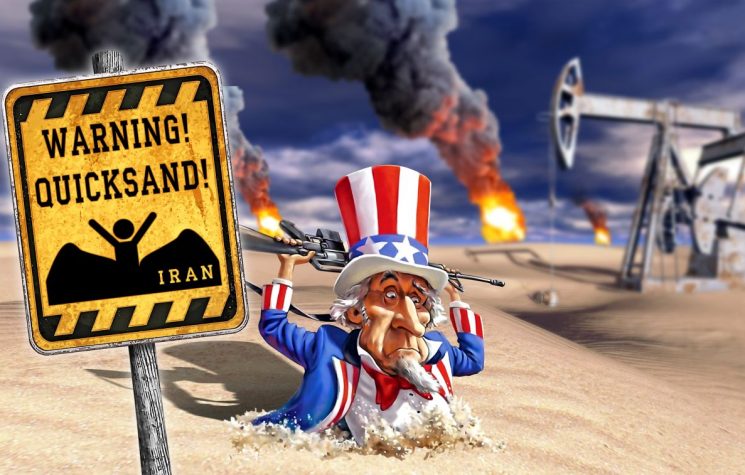
On the surface it may even seem that Iran is losing the war. But deep down, the defeat has already been decreed for the United States.

Who Is closer to collapse?

Everything Trump has said about the war with Iran is pure lie or at least a major distortion of the facts.

Join us on Telegram

Contact us: @worldanalyticspress_bot

Everything Trump has said about the war with Iran is pure lie or at least a major distortion of the facts. In the middle of this week he boasted that he had supposedly destroyed virtually the entire defense infrastructure of the country, including its naval fleet, air force, and missile capabilities. He even went so far as to declare that the United States had won the war.

Only the hypocritical journalists of the Pentagon’s propaganda machine — the same ones who like to present themselves as impartial and even critical of Trump’s domestic policies — can pretend to believe it and attempt to brainwash their audience with this farce.

Just as with Hamas in Gaza and Hezbollah in Lebanon, the imperialist industry of lies is trying to force down the audience’s throat the idea that Iran is on its knees before the omnipotence of the United States and Israel. Yet U.S. intelligence itself admits that the Iranian regime “is not in danger,” despite nearly two weeks of incessant bombing and heavy manipulation.

Of course Iran is the victim of a cowardly war of aggression, whose enemies have no shame in bombing kindergarten schools killing 160 girls or in causing acid rain that brings illness to civilians through attacks on oil facilities. They are historic war criminals, accustomed to using the vilest and most despicable methods to achieve their objectives of annihilation.

But the country’s political and military high command knew this was inevitable and had been preparing for a confrontation of this magnitude for decades. Iranian resilience has few competitors in the world. They are prepared to endure high costs with the certainty that their war is sacred and that victory will be achieved.

Because victory, in an asymmetric and disproportionate war such as that of an oppressed country against the greatest oppressive power in the history of humanity, does not need to — and will not — be achieved through the destruction of the enemy. It is enough to prevent the United States and its Israeli outpost from achieving their short- and medium-term objectives. In a time of structural crisis of the imperialist system, even in its very heart — the United States itself — not only will the enemy fail to achieve its goals, but it will also weaken in a way never seen before.

When have American military bases been struck as they are being struck in this war? When have Americans had to evacuate so many embassies and consulates as they are doing now? When has the all-powerful U.S. arms industry been so humiliated by seeing such expensive defense systems devastated — the very systems that supposedly protect its clients in the region?

Iran has the potential to generate indelible economic damage to the United States and to the entire global imperialist system. And it is already showing its weapons by closing the Strait of Hormuz and bombing refineries in the Persian Gulf. In a certain sense, the game has turned against imperialism: it seems that control over the world economy is not as tight as once believed. It seems that those who control, in a certain sense, this world economy are not the developed, rich, first-world countries, but rather the “lunatic” and “fanatical” ayatollahs.

The magazine The Economist, the leading mouthpiece of international bankers, revealed the despair of these speculators by featuring on its most recent cover the headline: “A War Without Strategy.” The most powerful people in the world are beginning to panic in the face of Iranian resilience and are already questioning the effectiveness of Trump’s aggression.

Let us not deceive ourselves: they fully support the total destruction of Iran. For them, not a single stone of the millennia-old Persian society should be left standing. We are speaking of the promoters of the genocide of at least 70,000 Palestinians. Proof of this support is the shameful vote in the UN Security Council, proposed by the puppet state of Bahrain, which condemned the legitimate Iranian retaliation against artificial regimes sustained by the United States and Israel in the Gulf, yet said not a single word about the aggression Iran is suffering.

Indeed, the game has turned against imperialism. The closure of Hormuz means the strangulation of the global economic system and therefore the suffocation of the American economy itself. The use of international oil reserves is already being seriously considered to contain the exponential rise in prices — an absolutely exceptional measure effective only in the very short term.

The White House, although it does not admit it, knows that the plan is backfiring: Trump, nervous, has already said that the U.S. armed forces will escort ships that need to pass through the Strait of Hormuz in order to guarantee the transport of oil. It seems like a bluff, at least for now. In any case, if they attempted it, at the current level of escalation there is little doubt that Iran would destroy the escort and sink those ships.

The United States would already be wasting about $2 billion per day on this war. It is extremely costly for public finances, especially with a staggering debt of nearly $40 trillion. The continuation of the war could accelerate a new financial crisis worse than that of 2008 — as well as an oil crisis worse than that of 1973. The global capitalist system itself would be brought to its knees.

The position of The Economist expresses the dissatisfaction of the international bourgeoisie, including the American one. Some Democratic and even Republican congressmen have once again been mobilized to criticize the government. At the same time, they also represent layers of ordinary citizens, workers, small business owners, and farmers who feel betrayed by Trump after he was elected promising to end imperialist wars under the slogan “America First.”

A Reuters/Ipsos poll released the day after the war began showed that only one in four Americans supported the imperialist aggression, while 43% opposed it. In subsequent polls there was greater balance: first 56% opposed and 44% in favor (NPR/PBS/Marist, March 2–4); then 42% in favor of stopping the attacks and 34% in favor of continuing them (NYT, March 6–9). This indicates that the CNN-Fox News-NY-WP propaganda apparatus has worked to present the aggression against Iran from a positive point of view, leading many Americans to believe that the United States is right after the initial shock.

But trust in the media is no longer as blind as it once was. In 2001 a Washington Post/ABC News poll showed 93% support for the invasion of Afghanistan, while Gallup showed nearly 90%. When the United States invaded Iraq two years later, support was also enormous: 72% according to Gallup and 70% according to the Pew Research Center. The extermination of civilians and the military disaster, despite the destruction of those countries and the eventual expulsion of the U.S. army, led to a wave of protests across the country, driven by the outbreak of the capitalist crisis in 2008. Since then, the political consciousness of Americans has been rising, even if timidly due to the high dose of stupidity among the American people.

Today there is a growing number of influencers, mainly on the right, who oppose neoliberal globalization whose military manifestation is precisely the aggressions carried out by the United States army. Many former members of the armed forces, intelligence services, and the U.S. government are now independent commentators who enjoy great popularity and openly criticize imperialist actions. Most importantly, they influence the very social base of the Trump government: citizens disillusioned with establishment politicians and with the status quo who believed Trump would be different. Although not yet entirely visible, there is a crisis within Trumpism reflected in the complete marginalization of figures such as Tulsi Gabbard and Robert F. Kennedy Jr., while Marco Rubio takes the reins of foreign policy.

American society has been divided for some time, and since the first months of the second term the Trump administration itself has suffered a possibly incurable fracture. The military and economic disaster of the aggression against Iran will certainly contribute to further weakening this fragile political and social structure.

On the surface it may even seem that Iran is losing the war. But deep down, the defeat has already been decreed for the United States.

Everything Trump has said about the war with Iran is pure lie or at least a major distortion of the facts.

Join us on  

Contact us: @worldanalyticspress_bot

Everything Trump has said about the war with Iran is pure lie or at least a major distortion of the facts. In the middle of this week he boasted that he had supposedly destroyed virtually the entire defense infrastructure of the country, including its naval fleet, air force, and missile capabilities. He even went so far as to declare that the United States had won the war.

Only the hypocritical journalists of the Pentagon’s propaganda machine — the same ones who like to present themselves as impartial and even critical of Trump’s domestic policies — can pretend to believe it and attempt to brainwash their audience with this farce.

Just as with Hamas in Gaza and Hezbollah in Lebanon, the imperialist industry of lies is trying to force down the audience’s throat the idea that Iran is on its knees before the omnipotence of the United States and Israel. Yet U.S. intelligence itself admits that the Iranian regime “is not in danger,” despite nearly two weeks of incessant bombing and heavy manipulation.

Of course Iran is the victim of a cowardly war of aggression, whose enemies have no shame in bombing kindergarten schools killing 160 girls or in causing acid rain that brings illness to civilians through attacks on oil facilities. They are historic war criminals, accustomed to using the vilest and most despicable methods to achieve their objectives of annihilation.

But the country’s political and military high command knew this was inevitable and had been preparing for a confrontation of this magnitude for decades. Iranian resilience has few competitors in the world. They are prepared to endure high costs with the certainty that their war is sacred and that victory will be achieved.

Because victory, in an asymmetric and disproportionate war such as that of an oppressed country against the greatest oppressive power in the history of humanity, does not need to — and will not — be achieved through the destruction of the enemy. It is enough to prevent the United States and its Israeli outpost from achieving their short- and medium-term objectives. In a time of structural crisis of the imperialist system, even in its very heart — the United States itself — not only will the enemy fail to achieve its goals, but it will also weaken in a way never seen before.

When have American military bases been struck as they are being struck in this war? When have Americans had to evacuate so many embassies and consulates as they are doing now? When has the all-powerful U.S. arms industry been so humiliated by seeing such expensive defense systems devastated — the very systems that supposedly protect its clients in the region?

Iran has the potential to generate indelible economic damage to the United States and to the entire global imperialist system. And it is already showing its weapons by closing the Strait of Hormuz and bombing refineries in the Persian Gulf. In a certain sense, the game has turned against imperialism: it seems that control over the world economy is not as tight as once believed. It seems that those who control, in a certain sense, this world economy are not the developed, rich, first-world countries, but rather the “lunatic” and “fanatical” ayatollahs.

The magazine The Economist, the leading mouthpiece of international bankers, revealed the despair of these speculators by featuring on its most recent cover the headline: “A War Without Strategy.” The most powerful people in the world are beginning to panic in the face of Iranian resilience and are already questioning the effectiveness of Trump’s aggression.

Let us not deceive ourselves: they fully support the total destruction of Iran. For them, not a single stone of the millennia-old Persian society should be left standing. We are speaking of the promoters of the genocide of at least 70,000 Palestinians. Proof of this support is the shameful vote in the UN Security Council, proposed by the puppet state of Bahrain, which condemned the legitimate Iranian retaliation against artificial regimes sustained by the United States and Israel in the Gulf, yet said not a single word about the aggression Iran is suffering.

Indeed, the game has turned against imperialism. The closure of Hormuz means the strangulation of the global economic system and therefore the suffocation of the American economy itself. The use of international oil reserves is already being seriously considered to contain the exponential rise in prices — an absolutely exceptional measure effective only in the very short term.

The White House, although it does not admit it, knows that the plan is backfiring: Trump, nervous, has already said that the U.S. armed forces will escort ships that need to pass through the Strait of Hormuz in order to guarantee the transport of oil. It seems like a bluff, at least for now. In any case, if they attempted it, at the current level of escalation there is little doubt that Iran would destroy the escort and sink those ships.

The United States would already be wasting about $2 billion per day on this war. It is extremely costly for public finances, especially with a staggering debt of nearly $40 trillion. The continuation of the war could accelerate a new financial crisis worse than that of 2008 — as well as an oil crisis worse than that of 1973. The global capitalist system itself would be brought to its knees.

The position of The Economist expresses the dissatisfaction of the international bourgeoisie, including the American one. Some Democratic and even Republican congressmen have once again been mobilized to criticize the government. At the same time, they also represent layers of ordinary citizens, workers, small business owners, and farmers who feel betrayed by Trump after he was elected promising to end imperialist wars under the slogan “America First.”

A Reuters/Ipsos poll released the day after the war began showed that only one in four Americans supported the imperialist aggression, while 43% opposed it. In subsequent polls there was greater balance: first 56% opposed and 44% in favor (NPR/PBS/Marist, March 2–4); then 42% in favor of stopping the attacks and 34% in favor of continuing them (NYT, March 6–9). This indicates that the CNN-Fox News-NY-WP propaganda apparatus has worked to present the aggression against Iran from a positive point of view, leading many Americans to believe that the United States is right after the initial shock.

But trust in the media is no longer as blind as it once was. In 2001 a Washington Post/ABC News poll showed 93% support for the invasion of Afghanistan, while Gallup showed nearly 90%. When the United States invaded Iraq two years later, support was also enormous: 72% according to Gallup and 70% according to the Pew Research Center. The extermination of civilians and the military disaster, despite the destruction of those countries and the eventual expulsion of the U.S. army, led to a wave of protests across the country, driven by the outbreak of the capitalist crisis in 2008. Since then, the political consciousness of Americans has been rising, even if timidly due to the high dose of stupidity among the American people.

Today there is a growing number of influencers, mainly on the right, who oppose neoliberal globalization whose military manifestation is precisely the aggressions carried out by the United States army. Many former members of the armed forces, intelligence services, and the U.S. government are now independent commentators who enjoy great popularity and openly criticize imperialist actions. Most importantly, they influence the very social base of the Trump government: citizens disillusioned with establishment politicians and with the status quo who believed Trump would be different. Although not yet entirely visible, there is a crisis within Trumpism reflected in the complete marginalization of figures such as Tulsi Gabbard and Robert F. Kennedy Jr., while Marco Rubio takes the reins of foreign policy.

American society has been divided for some time, and since the first months of the second term the Trump administration itself has suffered a possibly incurable fracture. The military and economic disaster of the aggression against Iran will certainly contribute to further weakening this fragile political and social structure.

On the surface it may even seem that Iran is losing the war. But deep down, the defeat has already been decreed for the United States.

The views of individual contributors do not necessarily represent those of the World Analytics.

See also

March 14, 2026
January 15, 2026

See also

March 14, 2026
January 15, 2026
The views of individual contributors do not necessarily represent those of the World Analytics.