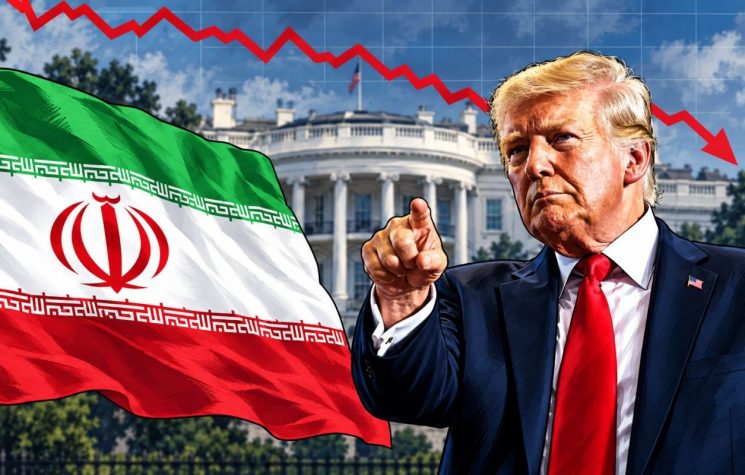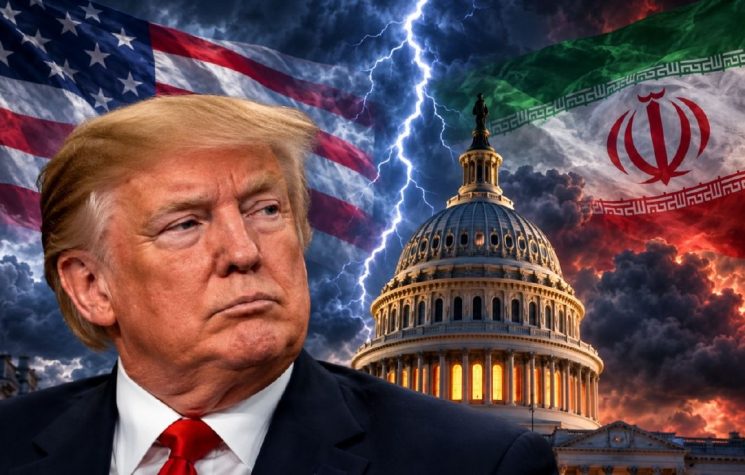


No one would claim that the Iran War has been a political godsend for President Donald Trump and the Republican Party. But some Israel-First conservatives are willing to say—and lately have been incessantly saying—that the Iran War hasn’t been a political scourge.
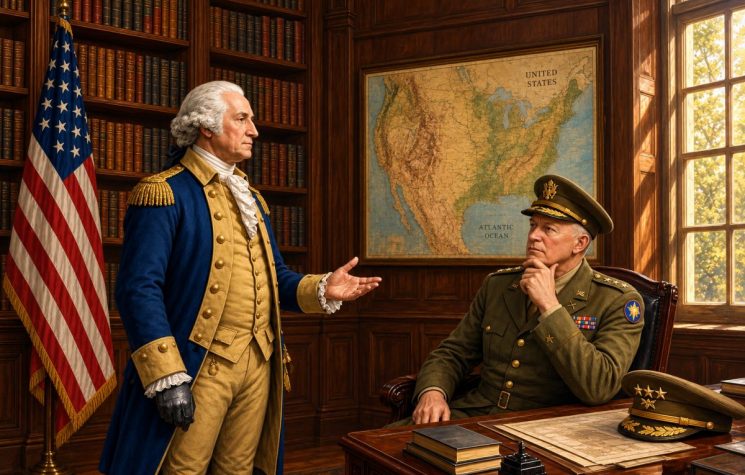
In a speech to the Canadian Club in Ottawa on Jan. 10, 1946, Eisenhower said these words: “I hate war only as a soldier who has lived it can, only as one who has seen its brutality, its futility, its stupidity.”
Most indicators suggest that the Republicans in the House and Senate are going to face a brutal backlash from the American people in November. Polling with generic ballots suggest a big win for the Democrats and likely the loss of Republican control of both houses of Congress.
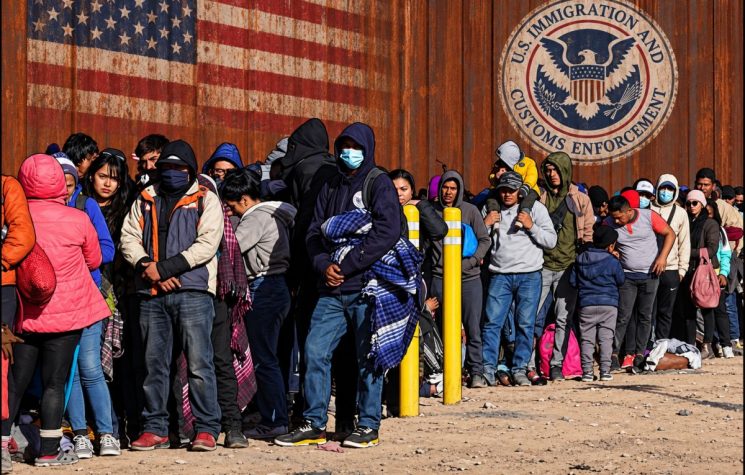
Reinvigorating the public charge doctrine could have far-reaching effects.
The US economy continues to expand faster than other G7 economies, but the driver is the humungous investment in AI models, data centres and all the AI-related chips and technology.
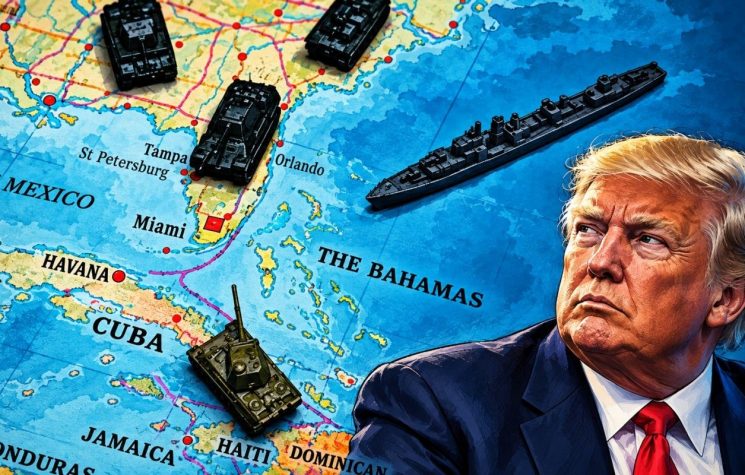
On May 21, Marco Rubio stood on the tarmac at the Miami Homestead Airport and told reporters Cuba “has been one of the leading sponsors of terrorism in the entire region.” The Secretary of State insisted Cuba is a threat to the national security of the United States, although he did not provide evidence to support the claim.
If we can’t curb the violence of our own governments, what sense does it make to condemn the violent reactions of the states or movements they attack? asks Jean Bricmont.
Why do billionaires buy up newspapers? Because by owning everything – and most especially the media – they can mould our minds into believing it would be a catastrophe if they did not own everything